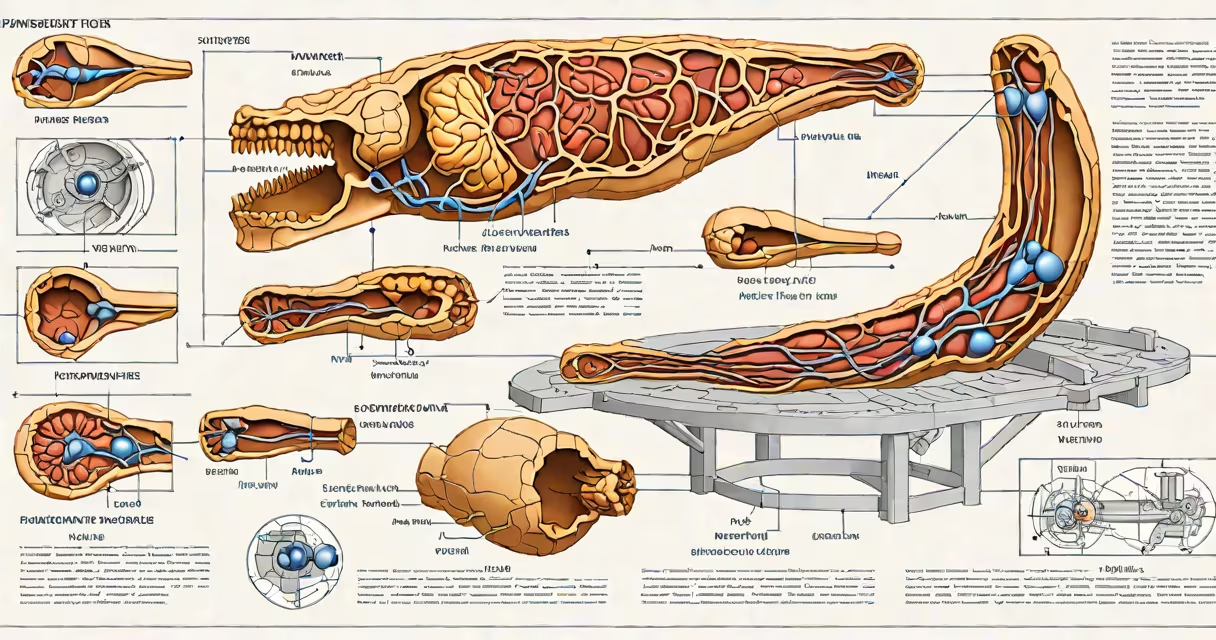
A pancreatic tumor is an abnormal mass of tissue that forms in the pancreas, an organ behind the stomach responsible for producing digestive enzymes and regulating blood sugar. These growths can be benign (noncancerous) or malignant (cancerous), with malignant tumors typically referring to pancreatic adenocarcinoma, the most common and aggressive form.
Most pancreatic tumors develop in the exocrine cells, which produce enzymes for digestion. The disease is often diagnosed at advanced stages because early symptoms are vague or absent. According to the American Cancer Society, about 60,000 new cases of pancreatic cancer are diagnosed annually in the U.S., with a five-year survival rate below 12% when diagnosed at stage IV.
Early-stage pancreatic tumors rarely cause pain or noticeable changes. When symptoms do appear-such as jaundice, unexplained weight loss, or new-onset diabetes-they often indicate the cancer has spread beyond the pancreas. This delay in diagnosis contributes to the poor prognosis associated with the condition.
Pancreatic tumors arise from mutations in DNA that cause cells to grow uncontrollably. These mutations may be inherited (e.g., in hereditary pancreatitis or Lynch syndrome) or acquired through environmental exposure, such as smoking or chronic pancreatitis. Over time, abnormal cells accumulate and form a mass that disrupts normal pancreatic function.
The pancreas has two primary functions: endocrine (producing insulin and glucagon) and exocrine (releasing digestive enzymes). Tumors originating in endocrine cells are less common and are called neuroendocrine tumors (NETs). They tend to grow slowly and have better outcomes than exocrine tumors. Exocrine tumors, particularly ductal adenocarcinomas, account for more than 90% of all pancreatic cancers.
Genetic markers such as KRAS, TP53, and CDKN2A are frequently altered in pancreatic ductal adenocarcinoma. These mutations drive uncontrolled cell division and resistance to apoptosis. Research from the National Institutes of Health shows that KRAS mutations occur in over 90% of pancreatic ductal adenocarcinomas, making it a key target for emerging therapies.
Doctors classify pancreatic tumors based on origin, behavior, and appearance under a microscope. The main categories include:
| Type | Origin | Prevalence | Prognosis |
|---|---|---|---|
| Pancreatic ductal adenocarcinoma (PDAC) | Exocrine cells lining ducts | ~90% | Low survival; aggressive |
| Neuroendocrine tumors (NETs) | Endocrine cells (e.g., insulin-producing) | ~10% | Better survival; slower growth |
| Cystic tumors | Fluid-filled sacs; precursors to cancer | Rare | Vary by subtype; some require monitoring |
Among cystic tumors, intraductal papillary mucinous neoplasms (IPMNs) and mucinous cystic neoplasms (MCNs) are significant because they can progress to invasive cancer. IPMNs are found in the main pancreatic duct and carry a 30-50% risk of malignancy if left untreated. MCNs are more common in women and often require surgical removal if larger than 3 cm.
One lesser-known fact: not all pancreatic masses are cancer. A 2021 study in JAMA Oncology found that up to 25% of patients initially diagnosed with a pancreatic tumor had benign conditions such as pseudocysts or chronic inflammation. Accurate diagnosis requires imaging, biopsy, and sometimes surgery.
Diagnosing a pancreatic tumor involves multiple steps. Initial screening often uses abdominal CT scans, MRI, or endoscopic ultrasound (EUS). EUS allows high-resolution imaging of the pancreas and enables fine-needle aspiration (FNA) to collect tissue samples for analysis.
For example, a 62-year-old man presented with mild jaundice and elevated bilirubin. An MRI showed a 2.8 cm mass in the head of the pancreas. EUS-guided FNA confirmed adenocarcinoma with mutated KRAS. He underwent a Whipple procedure, a complex surgery removing part of the pancreas, duodenum, and bile duct.
Imaging alone cannot distinguish between benign and malignant tumors. A definitive diagnosis requires histopathological evaluation. The World Health Organization classifies pancreatic tumors using the TNM staging system, which assesses tumor size (T), lymph node involvement (N), and metastasis (M). Stage I tumors are localized; stage IV indicates distant spread.
Many people assume that all pancreatic tumors are fatal or that symptoms appear early. In reality, most pancreatic cancers are asymptomatic until they reach advanced stages. Symptoms like back pain, nausea, or fatigue are nonspecific and easily attributed to other causes.
Another misconception is that pancreatic tumors are always cancer. Benign tumors such as serous cystadenomas or insulinomas exist and may not require treatment unless they cause symptoms. A 2019 study in Annals of Surgery reported that 15% of incidental pancreatic masses found during unrelated scans were benign and managed conservatively.
Some believe that diet or lifestyle choices directly cause pancreatic tumors. While smoking increases risk by 50%, and obesity raises it by 20%, no single food or habit triggers the disease. The underlying biology involves cumulative genetic damage over decades.
Diagnosis and management of pancreatic tumors occur in specialized centers. Treatment depends on stage, location, and patient health. For localized disease, surgical resection (Whipple procedure or distal pancreatectomy) offers the only chance for cure. However, only 15-20% of patients are eligible due to tumor location or spread.
For unresectable or metastatic disease, systemic therapy is standard. First-line chemotherapy regimens include FOLFIRINOX or gemcitabine plus nab-paclitaxel. These combinations improve median survival from 4 to 11 months compared to older treatments. Clinical trials now explore targeted agents against KRAS G12C mutations, though these are still investigational.
Monitoring is critical for patients with precancerous lesions. Individuals with familial pancreatic cancer syndromes undergo annual MRI or EUS starting at age 50. Surveillance reduces late-stage diagnoses by catching tumors early.
During a routine check-up, I reviewed a case of a 58-year-old woman with a 1.5 cm cyst in the body of the pancreas. She had no symptoms. After confirming it was a mucinous cystic neoplasm on MRI and EUS, we recommended surgical removal. Pathology later revealed low-grade dysplasia-early signs of potential cancer. Early intervention prevented progression.
What is a pancreatic tumor? It is a growth in the pancreas that may be benign or malignant, with most being aggressive adenocarcinomas. Early detection remains challenging due to silent progression. Diagnosis relies on imaging, biopsy, and pathology. Treatment varies by type and stage, with surgery offering the best outcome for localized disease.
Understanding the difference between tumor types is essential. Ductal adenocarcinoma accounts for most cases and has a poor prognosis. Neuroendocrine tumors grow slowly and respond better to treatment. Cystic lesions require careful monitoring due to cancer risk.