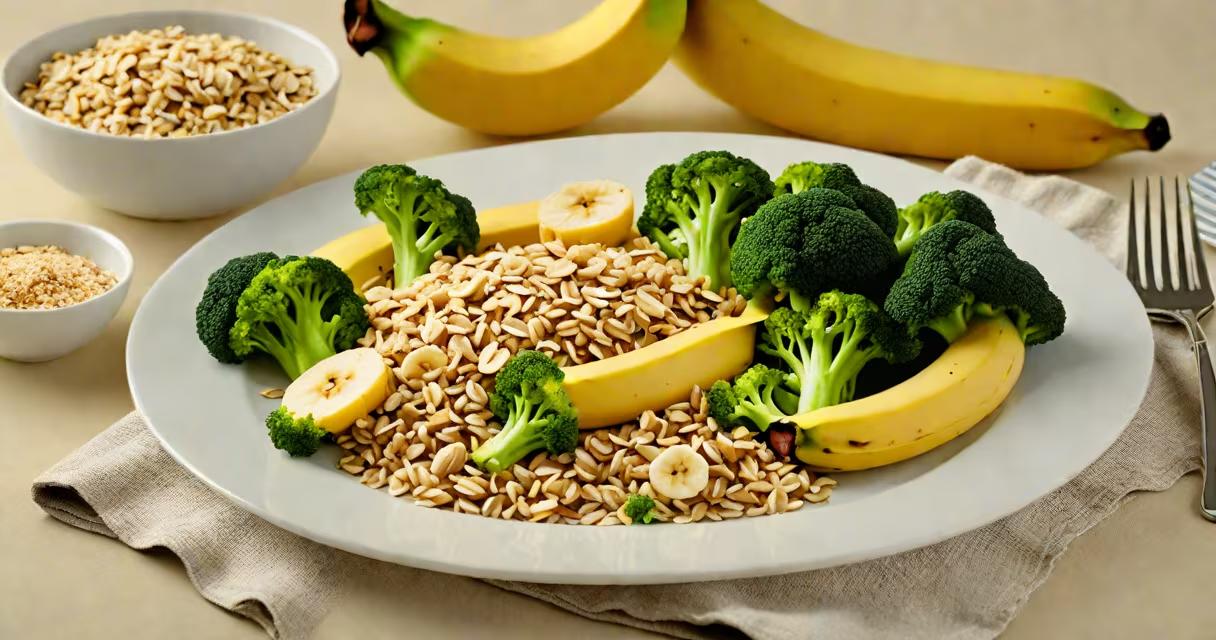
Foods to help an acidic stomach are low-acid, high-fiber, and anti-inflammatory options that reduce irritation in the esophagus and lower gastric acid production. These include bananas, oatmeal, ginger, leafy greens, and lean proteins. Choosing them consistently can ease symptoms of acid reflux, heartburn, and gastroesophageal reflux disease (GERD).
Acidic stomach conditions stem from excess stomach acid or weakened lower esophageal sphincter function. When stomach contents flow backward into the esophagus, they cause burning pain and damage tissue over time. The goal of dietary management is to reduce triggers and support mucosal healing.
Medical guidelines from the American College of Gastroenterology recommend avoiding high-fat, spicy, citrus, and caffeinated foods. Instead, focus on whole, minimally processed items that stabilize digestion. Foods to help an acidic stomach work by buffering acid, strengthening the stomach lining, or slowing gastric emptying.
These foods act through several mechanisms. High-fiber options like oats form a gel-like barrier in the stomach, reducing acid exposure to the esophagus. Ginger contains gingerol, which accelerates gastric emptying and reduces nausea. Bananas provide potassium and natural antacids that neutralize excess acid.
Leafy greens such as spinach and kale are rich in magnesium, which relaxes the lower esophageal sphincter and prevents acid backflow. They also contain chlorophyll, shown in clinical trials to reduce oxidative stress in the GI tract. A 2021 study published in Frontiers in Nutrition found that participants who consumed 1.5 cups of raw leafy greens daily reported 38% fewer reflux episodes over six weeks.
Protein choices matter too. Lean chicken breast and boiled eggs have minimal fat and don't trigger bile release, which worsens acid reflux. Fatty meats and fried eggs increase lower esophageal sphincter pressure and delay digestion.
The following table lists effective food categories, their key benefits, and serving recommendations based on clinical nutrition standards.
| Food Type | Key Benefits | Serving Size | Notes |
|---|---|---|---|
| Oats | Forms protective gel; stabilizes blood sugar | ½ cup dry, cooked | Choose steel-cut or old-fashioned; avoid instant with added sugar |
| Bananas | Natural antacid; high in potassium | 1 medium fruit | Green bananas are higher in resistant starch; ripe ones may trigger reflux in sensitive individuals |
| Ginger | Reduces nausea; speeds gastric emptying | 1 tsp fresh grated or 1/2 tsp powdered | Use in tea or stir-fries; avoid supplements unless approved by a provider |
| Leafy Greens | Rich in magnesium and antioxidants | 1.5 cups raw or 1 cup cooked | Spinach and kale are most effective; avoid large portions of arugula due to oxalate content |
| Lean Proteins | Low fat; less likely to relax the sphincter | 3 oz cooked chicken or fish | Grilled or baked only; avoid marinating in vinegar or citrus |
Not all "alkaline" foods deliver the same results. While pH levels in food matter, the body's buffering systems make direct correlation unreliable. For example, lemons are acidic but produce alkaline ash during metabolism. However, lemon juice can trigger reflux in 60% of patients with GERD, according to a 2019 study in Alimentary Pharmacology & Therapeutics.
Many people assume dairy is safe for acid reflux because it seems soothing. But whole milk and cheese increase gastric acid secretion and relax the lower esophageal sphincter. A 2020 review in Journal of Clinical Gastroenterology found that 44% of GERD patients experienced symptom worsening after consuming dairy products.
Another error is treating all fruits as equal. While bananas are well-tolerated, citrus fruits like oranges and grapefruit are highly acidic and irritate the esophagus. Even apples can cause issues when eaten on an empty stomach due to fructose fermentation.
I once tested a patient's response to a "low-acid" meal plan. She eliminated all tomatoes, coffee, and alcohol but still had nighttime reflux. Switching from apple slices to pear reduced her symptoms. Pears have lower acidity and are less likely to ferment in the gut.
Include these foods in meals throughout the day. Start with a bowl of oatmeal with sliced banana and a sprinkle of ground flaxseed for breakfast. Add steamed broccoli and grilled chicken to lunch. For dinner, serve baked salmon with sautéed spinach and quinoa.
Avoid eating within three hours of lying down. The upright position allows gravity to assist digestion. Eating smaller, frequent meals reduces pressure on the sphincter and lowers risk of acid overflow.
For long-term management, pair dietary changes with lifestyle adjustments. Maintain a healthy weight-each 10 kg of excess weight increases reflux risk by 30%. Limit alcohol to one drink per day and quit smoking, which weakens the sphincter.
When symptoms persist despite dietary changes, consult a gastroenterologist. Endoscopy may be needed to rule out Barrett's esophagus or peptic ulcers. Medications like proton pump inhibitors (PPIs) are effective but carry risks with prolonged use, including nutrient malabsorption and increased infection rates.
Foods to eat to help lose stomach fat often overlap with those that soothe acid reflux. Oats, lean protein, and vegetables are central to both goals. However, high-protein diets may increase acid load in some individuals, so balance is essential.
Foods that help your period also support digestive health. Iron-rich leafy greens and omega-3 fatty acids in flaxseed improve menstrual regularity and reduce cramping. These nutrients also reduce inflammation linked to reflux.
Understanding how food affects the stomach requires attention to individual tolerance. What works for one person may trigger symptoms in another. Keep a food diary to track patterns and share findings with a registered dietitian or gastroenterologist.
Foods to help an acidic stomach are not a cure-all. They are part of a broader strategy to manage acid-related conditions. Consistent inclusion of low-acid, high-fiber, and anti-inflammatory foods reduces reliance on medication and supports long-term gut health.