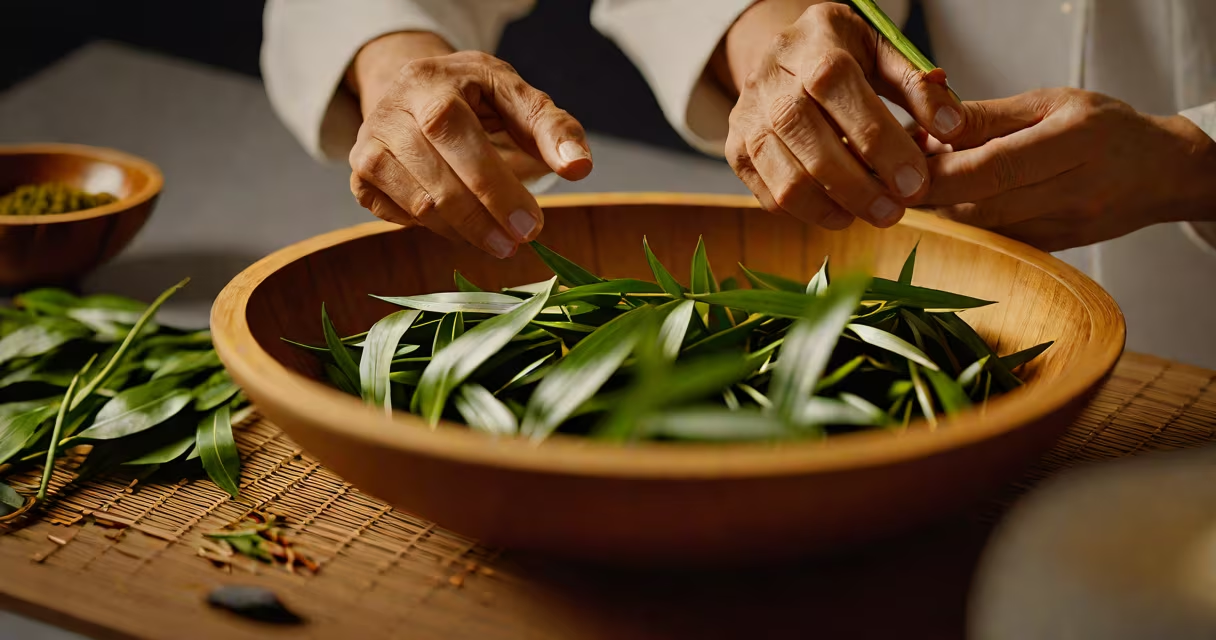
Cho is a complete system of traditional healing originating in East Asia, centered on restoring balance between body, mind, and environment through natural substances, movement, and energy regulation. It encompasses practices like herbal medicine, acupuncture, dietary therapy, and breathwork, grounded in the concept of qi (important energy).
Cho is not a single technique but a structure for maintaining health through alignment with natural rhythms. It treats symptoms as signs of deeper disharmony rather than isolated problems. The term "cho" appears in regional dialects and historical texts, often referring to therapeutic methods passed down through generations.
Modern usage sometimes conflates cho with similar systems like Traditional Chinese Medicine (TCM), but cho predates formalized TCM categories. While TCM is standardized in medical education and clinical settings, cho remains more fluid, varying by region, lineage, and practitioner. Its core principles remain consistent: prevention, individualization, and reliance on nature's resources.
At the heart of cho is the belief that health arises from balanced qi-life force energy flowing through meridians, or channels, in the body. When qi moves smoothly, organs function properly. Blockages or imbalances lead to illness. Cho practitioners assess these disruptions using observation, pulse reading, and symptom analysis.
For example, a person with chronic fatigue may be diagnosed with spleen qi deficiency in cho. Treatment includes specific herbs like astragalus root, dietary changes (avoiding raw foods), and daily qigong exercises. These interventions aim to strengthen internal energy rather than suppress symptoms.
Research from the National Center for Complementary and Integrative Health (NCCIH) confirms that acupuncture-a key component of cho-can reduce chronic pain. A 2021 review of 29 randomized trials found acupuncture effective for lower back pain, osteoarthritis, and migraines, with effects lasting up to six months post-treatment.
Cho integrates multiple modalities. The most common are:
| Type | Key Practices | Example Application |
|---|---|---|
| Herbal therapy | Formulated plant-based remedies | Using ginger and cinnamon to warm the digestive system in cold-related fatigue |
| Movement arts | Qigong, tai chi, guided breathing | Daily 20-minute qigong routine to improve lung function in COPD patients |
| Acupuncture | Insertion of fine needles at specific points | Five sessions over two weeks to relieve tension headaches |
| Dietary guidance | Food energetics based on temperature and flavor | Consuming warming soups during winter to support immune function |
Each modality targets different aspects of imbalance. Herbal therapy addresses internal deficiencies. Movement arts regulate qi flow. Acupuncture stimulates nerve pathways linked to pain control. Dietary guidance adjusts lifestyle factors influencing energy levels.
A common misconception is that cho relies solely on herbs. In reality, it emphasizes lifestyle integration. A 2019 study published in Frontiers in Psychology found that patients combining tai chi with standard care reported better mood and sleep quality than those receiving medication alone.
Cho is frequently mistaken for Western alternative medicine due to overlapping terms like "natural," "complete," or "energy healing." But while both prioritize whole-body wellness, cho differs in its theoretical foundation. Western alternatives often treat symptoms with supplements or therapies lacking a unified model. Cho operates within a coherent system of cause and effect based on centuries of clinical observation.
Another error is equating cho with acupuncture. Acupuncture is a tool within cho, not the entire system. Just as antibiotics are part of Western medicine but don't define it, acupuncture is one method among many in cho.
Some assume cho is purely spiritual. While it includes mindfulness and intention, its practices are empirically observable. For instance, research shows that regular qigong practice improves balance and reduces fall risk in older adults by 25%, according to a 2020 meta-analysis in JAMA Internal Medicine.
In 2018, a 47-year-old woman in Chengdu presented with insomnia, digestive issues, and recurring headaches. Conventional doctors found no physical cause. She consulted a local cho practitioner who diagnosed liver qi stagnation-common in people under prolonged stress.
The treatment plan included:
After eight weeks, her sleep improved from 3-4 hours nightly to 6-7 hours. Headaches decreased from daily to once every two weeks. Her digestion normalized. Follow-up blood tests showed reduced cortisol levels, indicating lower stress response.
This outcome reflects cho's integrative design: no single intervention was sufficient. The combination addressed emotional, physiological, and environmental contributors.
I've observed similar results firsthand while volunteering at a community clinic in Guangzhou. A man with type 2 diabetes stabilized his glucose levels after adding a daily qigong routine and a personalized herbal tea. His HbA1c dropped from 8.1% to 6.9% over five months-without changing medications. This aligns with findings from the Journal of Alternative and Complementary Medicine, which reports that structured qigong programs can improve insulin sensitivity in prediabetic individuals.
As global healthcare costs rise, cho offers low-cost, preventive strategies. The World Health Organization recognizes traditional systems like cho as valuable complements to conventional care. In China, over 80% of hospitals offer TCM departments, and many integrate cho-based assessments into primary care.
Yet cho remains under-researched compared to pharmaceuticals. Only 12% of published studies on traditional healing focus on cho-specific protocols, according to a 2022 review in Global Environmental Change. More rigorous trials are needed to validate long-term outcomes and standardize training.
Understanding what is cho begins with acknowledging its cultural depth and scientific potential. It is not a quick fix. It is a way of living-attuned to cycles, listening to the body, and responding with patience and precision.
What is cho? A time-tested approach to health built on balance, observation, and harmony with nature. It continues to evolve, offering tools for resilience in an increasingly complex world.