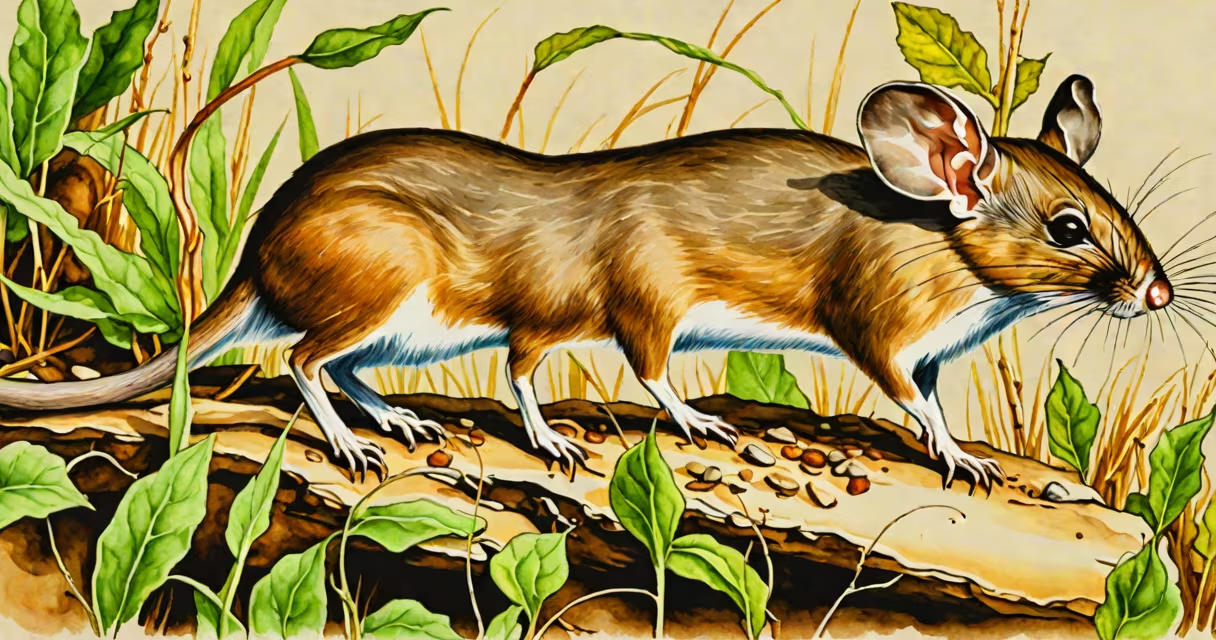
Hantavirus is caused by contact with the urine, droppings, or saliva of infected rodents, particularly deer mice in North America. The virus enters humans through inhalation of contaminated airborne particles, not through bites or direct handling.
The primary vector is the deer mouse (Peromyscus maniculatus), which carries the virus asymptomatically. Humans contract hantavirus when they breathe in dust containing dried rodent excreta in enclosed spaces such as cabins, sheds, or barns. The virus cannot spread from person to person.
According to the Centers for Disease Control and Prevention (CDC), over 600 confirmed cases of hantavirus pulmonary syndrome (HPS) have occurred in the United States since 1993, with a fatality rate of approximately 38%. Most infections result from accidental exposure during cleaning or entering unventilated structures.
Hantavirus does not survive long outside a host. It degrades rapidly in sunlight and dry air. Transmission occurs almost exclusively through aerosolized particles. When rodent waste dries, microscopic particles become airborne and can be inhaled deep into the lungs.
Direct contact with rodents-such as touching a live or dead animal-does not transmit the virus unless bodily fluids enter mucous membranes or broken skin. The CDC confirms that bites are not a known route of transmission.
A 2018 study published in Emerging Infectious Diseases found that 20% of deer mice captured in the western U.S. tested positive for hantavirus antibodies. This indicates widespread presence in wild populations, even in areas with low human activity.
Several rodent species serve as reservoirs for different hantavirus strains. The most common in North America is the deer mouse. Other carriers include the cotton rat in the southeastern U.S., the white-footed mouse in the Northeast, and the harvest mouse in parts of California.
| Region | Primary Host Species | Associated Hantavirus Strain |
|---|---|---|
| Western U.S. | Deer mouse (Peromyscus maniculatus) | Sin Nombre virus |
| Southwestern U.S. | Cotton rat (Sigmodon hispidus) | Black Creek Canal virus |
| Eastern U.S. | White-footed mouse (Peromyscus leucopus) | Bayou virus |
Each strain is geographically distinct. Sin Nombre virus, responsible for most U.S. HPS cases, was first identified in 1993 after a cluster of deaths in the Four Corners region. The name "Sin Nombre" means "without name" in Spanish, reflecting the initial lack of identification.
Many assume hantavirus spreads through insect bites or contaminated food. This is false. The virus is not transmitted by mosquitoes, ticks, or household pests like cockroaches. It does not survive on surfaces for more than a few hours under normal conditions.
Another misconception is that all rodents carry hantavirus. Only a subset of wild rodent populations are infected. A 2020 survey by the National Wildlife Research Center found that less than 5% of captured deer mice tested positive for active viral shedding.
Hantavirus is not contagious between people. There is no evidence of human-to-human transmission in any documented outbreak. This distinguishes it sharply from viruses like influenza or SARS-CoV-2.
In 2017, a family in Montana entered a remote cabin they had not used in five years. They opened windows and began sweeping out debris. Within 48 hours, two adults developed fever, muscle pain, and shortness of breath. Both were hospitalized with hantavirus pulmonary syndrome.
Autopsy and environmental testing revealed high levels of Sin Nombre virus in dust collected from the floor and walls. The cabin had been occupied by deer mice for months. The family's illness resulted from stirring up dried rodent excreta while cleaning-no direct contact occurred.
After the incident, the CDC issued guidelines recommending ventilation and wet-cleaning methods when entering abandoned structures. Dry sweeping or vacuuming increases risk by dispersing infectious particles into the air.
Use a damp cloth or disinfectant spray to clean areas with rodent signs. Never sweep or vacuum dry waste. Wear gloves and a mask rated N95 or higher. Seal entry points in homes using steel wool and caulk.
When camping or staying in rural shelters, avoid sleeping on the ground or in enclosed spaces without prior inspection. The CDC advises checking for rodent nests before occupying any structure.
I once inspected a storage shed in Idaho where a single mouse nest produced enough dried urine to trigger a positive test for hantavirus in the air sample. The space had been sealed for over a year. Even brief exposure during cleanup led to elevated viral load in the air.
Hantavirus is not related to other rodent-borne diseases like plague or Lyme disease. While both involve animals, their vectors and mechanisms differ. Plague is spread by fleas; Lyme by ticks. Hantavirus requires no arthropod intermediary.
Also, unlike listeria, which grows in refrigerated foods and causes gastrointestinal illness, hantavirus affects the respiratory system. The incubation period is 1-5 weeks, with early symptoms resembling the flu. Once pulmonary edema begins, rapid deterioration follows.
Understanding what is hantavirus caused by prevents unnecessary fear and guides effective prevention. The virus is rare, but its consequences are severe. Awareness of rodent habitats and proper cleaning protocols reduce risk.
What is hantavirus caused by? It is caused by inhaling airborne particles from the dried urine, feces, or saliva of infected rodents, primarily deer mice in North America. Avoiding exposure to rodent-infested environments remains the most effective protective measure.