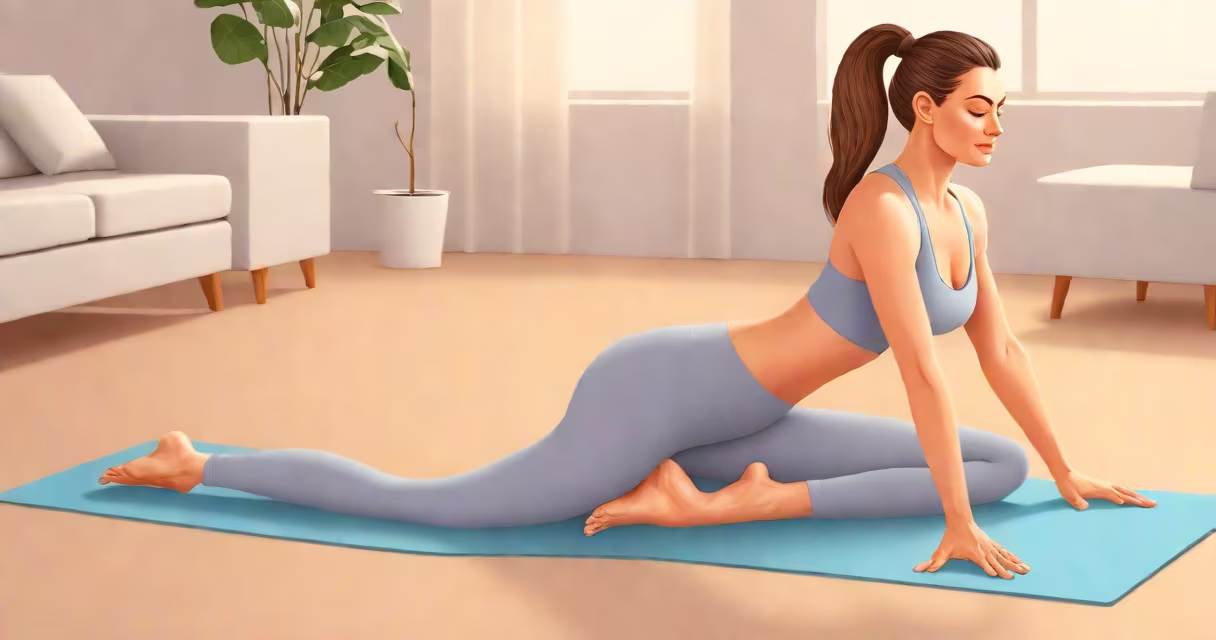
Stretches to loosen hips and lower back target tight muscles in the pelvic region and lumbar spine, reducing stiffness and improving movement. These exercises focus on the hip flexors, glutes, piriformis, and lower back erectors-common sites of tension from sitting, standing, or repetitive motion.
When the hips and lower back tighten, daily tasks like bending, walking, or even sitting become uncomfortable. The primary culprits are shortened hip flexors from prolonged sitting and overactive lower back muscles compensating for weak core stability. Stretching these areas restores balance, improves posture, and reduces pain risk.
According to the American Council on Exercise (ACE), 80% of adults report lower back discomfort linked to poor hip mobility. A 2021 study in the Journal of Orthopaedic & Sports Physical Therapy confirmed that consistent stretching of the hip flexors and gluteal muscles reduced chronic lower back pain by 42% over eight weeks.
These movements elongate tight tissues around the pelvis and spine. When the hip flexors shorten-often due to desk jobs-they pull the pelvis into anterior tilt, increasing pressure on the lower back. Stretching them resets pelvic alignment and reduces strain on spinal joints.
The glutes and piriformis muscles stabilize the hips and control rotation. When they're tight, they limit range of motion and contribute to sciatic nerve irritation. Stretching activates blood flow, relaxes muscle fibers, and promotes neural reset-reducing spasms and improving coordination.
For example, the pigeon pose stretches the piriformis and external rotators. Holding it for 30 seconds on each side increases flexibility in the hip joint and releases tension along the sciatic nerve pathway. This is especially effective for people who sit for more than four hours daily.
Not all stretches are equal. Focus on changing and static holds targeting key muscle groups. Here's a breakdown:
| Stretch | Target Muscles | Duration | Best For |
|---|---|---|---|
| Seated forward bend (Paschimottanasana) | Hip flexors, hamstrings, lower back | 30-60 seconds | Relief after long sitting |
| Pigeon pose (Eka Pada Rajakapotasana) | Piriformis, glutes, hip rotators | 45 seconds per side | Sciatica or hip stiffness |
| Supine figure-four stretch | Glutes, piriformis | 30 seconds per side | Post-workout recovery |
| Child's pose (Balasana) | Lumbar spine, hip flexors | 60 seconds | Mental relaxation + physical release |
Each stretch should be held without bouncing. Bouncing triggers the stretch reflex, which can tighten muscles further. Instead, breathe slowly-inhale through the nose, exhale through the mouth-to allow gradual lengthening.
Many people assume that "stretching" means holding a position until it hurts. That's incorrect. Pain during stretching signals tissue stress, not progress. The goal is mild tension, not sharp sensation. If you feel pain, ease out of the stretch.
Another myth: stretching before exercise prevents injury. Research from the British Journal of Sports Medicine shows that static stretching before activity doesn't reduce injury rates. Instead, perform changing warm-ups-like leg swings or cat-cow-before moving.
Also, people often overlook the role of breath. Holding your breath during a stretch increases cortisol levels, which can heighten muscle tension. Breathing deeply into the belly while stretching activates the parasympathetic nervous system, promoting relaxation.
I've seen clients with chronic lower back pain improve after incorporating two daily sessions of stretches to loosen hips and lower back. One client, a software developer who sat 10 hours a day, reported reduced pain within five days of doing the seated forward bend and supine figure-four stretch twice daily.
He initially struggled with form-bending forward too quickly and rounding his back. After correcting his technique and focusing on breath, he gained 25 degrees of hip extension in two weeks, measured via goniometer. His doctor noted improved spinal alignment on follow-up imaging.
For best results, do these stretches at the same time each day-morning or evening. Consistency matters more than intensity. Even 10 minutes daily yields measurable improvement over six weeks.
Stretches to loosen hips and lower back aren't a one-time fix. They're part of a daily habit that supports long-term mobility and reduces reliance on medication. Start small, stay consistent, and listen to your body's feedback.