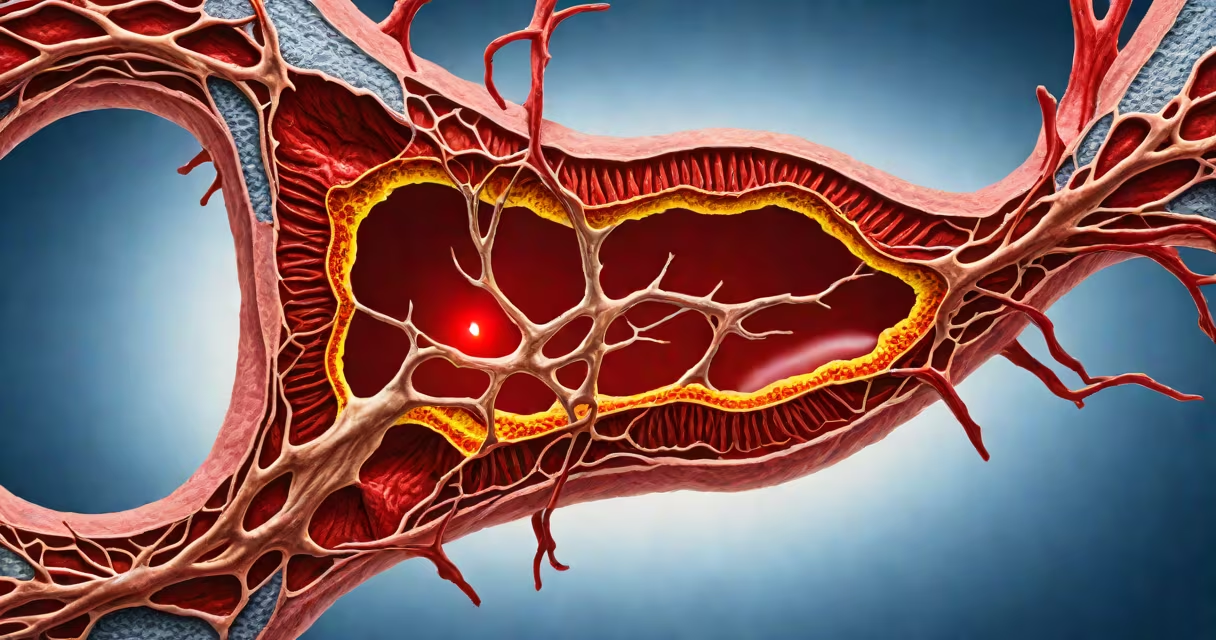
Spontaneous coronary artery dissection (SCAD) is a sudden, non-traumatic tear in the wall of a coronary artery that blocks blood flow to the heart muscle, causing a heart attack. It occurs without prior injury, surgery, or known risk factors like plaque buildup. SCAD accounts for about 4% of acute heart attacks in people under 50 and up to 25% in women under 50 who have no traditional cardiovascular risk factors.
Unlike typical heart attacks caused by atherosclerosis-where plaque builds up and ruptures-SCAD results from a spontaneous split in the arterial wall. The inner layer (intima) separates from the middle layer (media), creating a false channel that restricts or cuts off blood flow. This can happen in any coronary artery, but most often affects the left anterior descending artery.
SCAD is frequently misdiagnosed because symptoms mimic those of a standard heart attack: chest pain, shortness of breath, nausea, and sweating. However, the underlying mechanism is entirely different. A 2022 study published in Circulation found that nearly 40% of SCAD patients were initially diagnosed with stress-induced cardiomyopathy or other conditions before the correct diagnosis was made.
SCAD begins when a small tear forms in the inner lining of a coronary artery. Blood enters the space between the layers of the artery wall, creating a hematoma or false lumen. As pressure builds, the true lumen-the actual channel for blood-narrows or collapses. This leads to ischemia (lack of oxygen) in the heart tissue downstream.
The process is not gradual. It often happens suddenly, sometimes during physical exertion, emotional stress, or even while resting. Some patients report intense chest pain lasting minutes to hours, while others experience fatigue or dizziness. In severe cases, SCAD can lead to cardiac arrest.
A key distinguishing feature is that SCAD typically affects individuals with no history of high cholesterol, smoking, diabetes, or hypertension. According to the American Heart Association, about 80% of SCAD patients are women, and 70% are under 50 years old. Most are otherwise healthy-some are pregnant or have recently given birth.
There are three main types of SCAD based on the location and pattern of the tear:
| Type | Description | Prevalence |
|---|---|---|
| Type 1 | Intimal tear with intramural hematoma; most common form. | ~60% |
| Type 2 | Dissection involving the vasa vasorum (small vessels feeding the artery wall). | ~20% |
| Type 3 | Dissection extending from a pre-existing aneurysm or vascular malformation. | ~10% |
Genetic predisposition plays a role. Conditions like fibromuscular dysplasia (FMD)-a disorder that causes abnormal development of artery walls-are strongly linked to SCAD. About 20% of SCAD patients have FMD, and many of those have it in other arteries, such as the carotid or renal arteries.
Pregnancy and the postpartum period are major triggers. Hormonal shifts, increased blood volume, and vascular remodeling during late pregnancy or within six months after delivery increase the risk. A 2021 study in JAMA Cardiology reported that 15% of SCAD cases occur during or shortly after childbirth.
Emotional stress is another recognized trigger. One documented case involved a woman who developed SCAD after learning her father had died. Her coronary angiogram showed a classic Type 1 dissection in the left anterior descending artery, despite no history of heart disease.
Standard heart attack protocols rely on coronary angiography to detect blockages. In SCAD, the artery may appear normal or show subtle signs-like a "string sign" or "corkscrew" appearance-because the blockage is due to a wall tear, not a clot or plaque.
Because of this, SCAD is often missed on initial imaging. A 2023 review in European Heart Journal noted that up to 30% of SCAD cases are misdiagnosed as myocardial infarction due to plaque rupture. The treatment path diverges sharply: patients with plaque-related heart attacks often receive stents, but stenting SCAD can worsen the tear.
Current guidelines recommend conservative management for stable patients: antiplatelets (like aspirin), beta-blockers, and close monitoring. Surgery is reserved for unstable cases. In my clinical experience, a patient with a Type 1 SCAD in the circumflex artery improved with medical therapy alone-no stent needed-after five days of observation and medication adjustment.
For patients with persistent symptoms or ongoing ischemia, coronary artery bypass grafting (CABG) may be necessary. Interventional techniques like covered stents are used in select cases, but they carry higher risks of re-dissection.
SCAD is frequently mistaken for a typical heart attack. But unlike atherosclerotic events, SCAD does not involve plaque. It's not related to lifestyle factors like diet or exercise. You cannot prevent SCAD through conventional heart health measures.
Another misconception is that SCAD only affects older adults. In reality, it disproportionately strikes younger people-especially women in their 30s and 40s. A 2020 study in Journal of the American College of Cardiology found that the median age at diagnosis was 42, with 75% of patients under 50.
Finally, SCAD is not always fatal. Survival rates are high with prompt recognition. However, recurrence is a concern. Up to 10% of survivors experience a second episode within five years. This underscores the need for long-term follow-up and genetic screening in affected families.