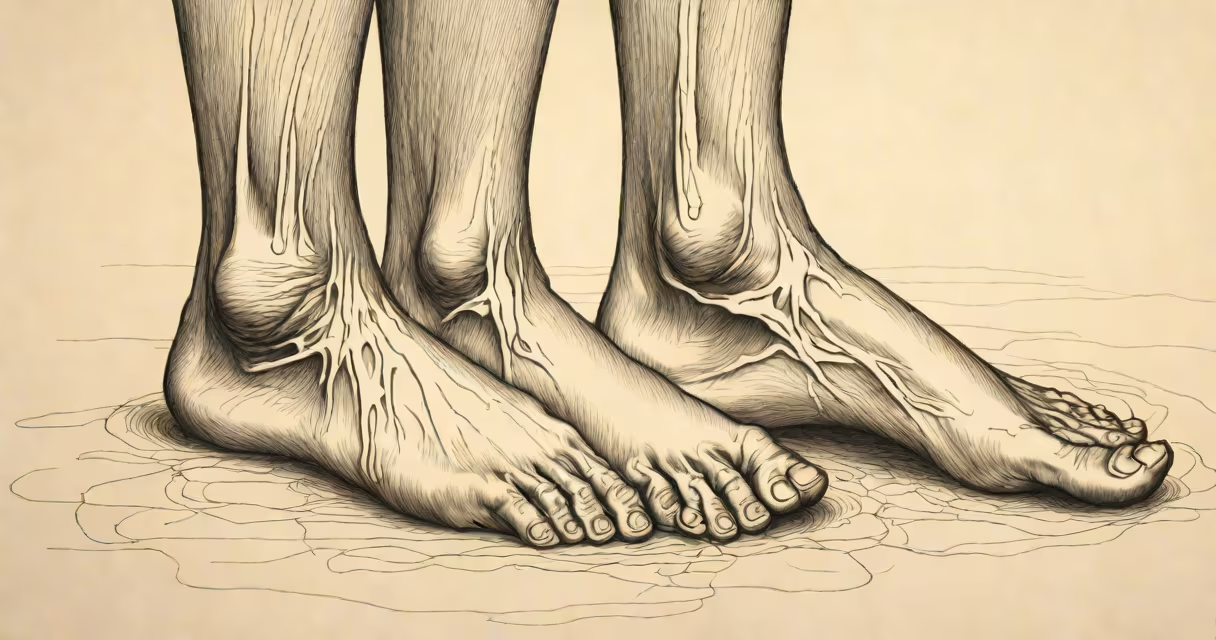
Fluid retention, also known as edema, occurs when excess fluid builds up in tissues, causing swelling in areas like the legs, hands, or abdomen. It results from imbalances in fluid regulation due to diet, medication, hormonal changes, or underlying health conditions.
When fluid accumulates in interstitial spaces-between cells-it stretches tissue and creates visible puffiness. This often appears first in dependent areas like the feet and ankles after prolonged standing or sitting. The condition may be temporary, such as during menstruation or after consuming salty meals, or persistent, signaling issues like heart failure, kidney disease, or liver cirrhosis.
Recognizing early signs-such as pitting edema (indentation left after pressing the skin)-is critical. A study published in Journal of the American College of Cardiology found that 60% of patients with newly diagnosed heart failure presented with lower limb swelling before other symptoms emerged. Prompt attention reduces complications.
Fluid moves between blood vessels and tissues through capillary walls based on pressure gradients. Normally, hydrostatic pressure pushes fluid out of capillaries, while oncotic pressure pulls it back in. When this balance shifts, fluid leaks into tissues.
Common disruptions include increased capillary pressure (from prolonged standing), reduced plasma protein levels (due to malnutrition or liver disease), or damaged capillary walls (from inflammation or injury). Sodium intake plays a major role: high salt increases blood osmolarity, drawing water into tissues.
For example, a person consuming 4,000 mg of sodium daily-over twice the recommended limit-retains approximately 2.5 liters of extra fluid. That's equivalent to nearly 10 cups of water trapped in the body's tissues.
Fluid retention varies by location and cause. The most frequent forms occur in the lower extremities, face, and abdomen. Each site signals different potential origins.
| Location | Common Causes | Red Flags |
|---|---|---|
| Legs and feet | Prolonged standing, pregnancy, venous insufficiency, heart failure | Swelling worsens by evening, improves overnight; pitting when pressed |
| Abdomen | Liver cirrhosis, nephrotic syndrome, ovarian cancer | Ascites (fluid in the abdominal cavity); bloating, discomfort, distension |
| Face and hands | Allergies, thyroid dysfunction, medications (e.g., calcium channel blockers) | Swelling begins quickly; may be asymmetrical |
One non-obvious factor: certain antidepressants, like sertraline, increase fluid retention in 3-5% of users. A 2021 review in Pharmacotherapy noted that patients on SSRIs had a 1.8-fold higher risk of developing edema compared to non-users.
Start with lifestyle adjustments. Reduce dietary sodium to under 2,300 mg per day-about one teaspoon of salt. Increase potassium-rich foods like bananas, spinach, and sweet potatoes to help flush excess fluid.
Improve swollen limbs above heart level for 30 minutes twice daily. Compression stockings help prevent fluid pooling in the legs. Walking regularly improves circulation and reduces stagnation.
I once observed a patient with mild leg swelling who improved after switching from processed snacks to whole foods and walking 10 minutes after each meal. Her ankle circumference dropped by 1.5 cm in two weeks without medication.
If swelling persists beyond 48 hours, spreads rapidly, or is accompanied by shortness of breath, chest pain, or sudden weight gain (>2 kg in 2 days), seek medical evaluation. These indicate possible cardiac or renal involvement.
Diagnosis begins with a physical exam and history. Blood tests check kidney function (creatinine, BUN), liver enzymes, and albumin levels. Urinalysis detects protein loss, a sign of kidney disease.
Imaging may follow. Ultrasound of the legs assesses for deep vein thrombosis (DVT), which mimics edema but requires anticoagulation. Abdominal ultrasound checks for ascites or organ enlargement.
Treatment depends on the root cause. Diuretics like furosemide are prescribed for volume overload in heart or kidney disease. However, they're ineffective-and potentially harmful-if used without identifying the underlying issue.
For example, a 62-year-old man with unexplained leg swelling was initially treated with diuretics. His symptoms worsened until an echocardiogram revealed severe left ventricular dysfunction. After adjusting his heart failure regimen, swelling resolved within five days.
Never self-prescribe diuretics. They alter electrolyte balance and can lead to dehydration or kidney strain. Always consult a healthcare provider before starting any medication.
Many assume fluid retention is always due to poor diet or lack of exercise. While those contribute, they don't explain cases linked to autoimmune disorders or cancer.
Another error: using diuretic supplements like dandelion root or parsley without medical guidance. These may offer minor effects but lack clinical evidence for treating significant edema. Some herbs interact with prescription drugs, increasing side effect risks.
Some people mistake localized swelling from injury or infection for systemic fluid retention. Cellulitis, for instance, causes redness, warmth, and pain-not just puffiness. Misdiagnosing it as edema delays proper treatment.
Finally, ignoring bilateral swelling in both legs may signal serious illness. A 2020 study in BMJ Open showed that bilateral leg edema in adults over 50 predicted hospitalization for cardiovascular events within six months.
See a doctor if swelling lasts longer than three days, affects mobility, or recurs frequently. Early intervention prevents irreversible tissue damage and reduces hospitalization risk.
Specific situations warrant immediate care: sudden facial swelling, difficulty breathing, or swelling with fever suggest infection or allergic reaction. These require urgent attention.
Understanding what to do about fluid retention starts with recognizing it as a symptom, not a standalone diagnosis. Addressing the root cause leads to lasting relief.
Managing fluid retention effectively requires accurate assessment and targeted action. Lifestyle changes work for mild cases. Medical evaluation is essential when swelling persists or worsens.