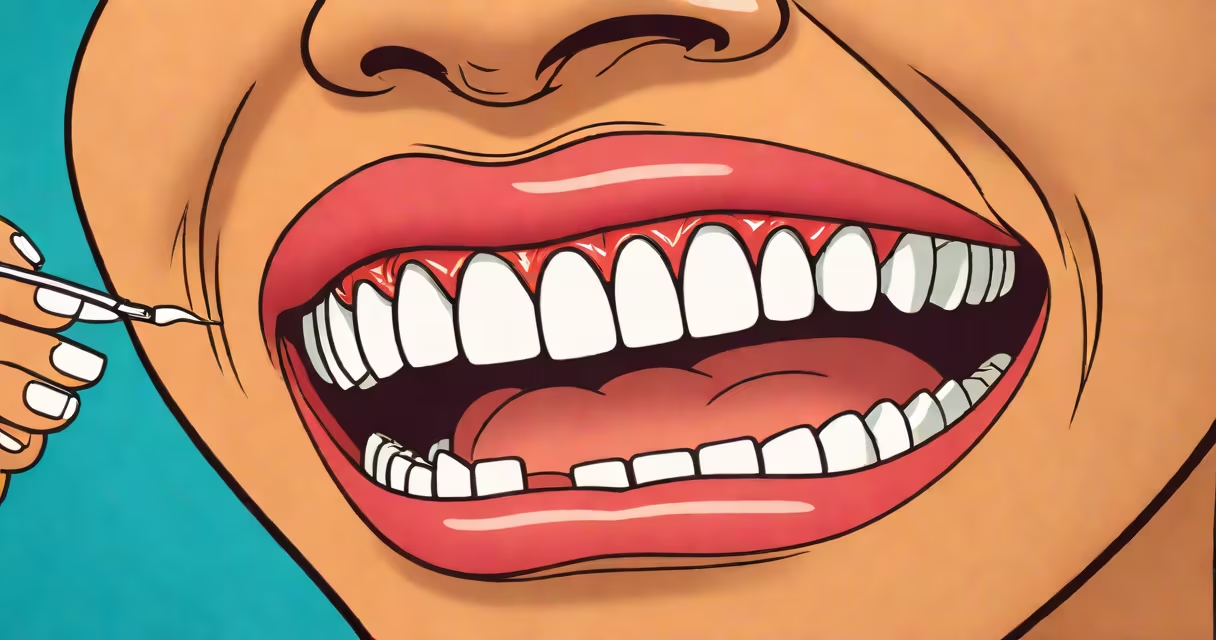
Tooth pain arises from inflammation, infection, or physical damage to the teeth, gums, or nerves. It can result from decay, trauma, gum disease, or referred pain from other areas. The American Dental Association identifies untreated cavities and periodontal disease as leading contributors.
Teeth contain nerves inside the pulp chamber. When enamel wears down or a cavity reaches the inner layers, pressure changes, bacterial invasion, or temperature exposure trigger sharp pain. Pain may radiate to the jaw, ear, or temple, especially during chewing or cold exposure.
A 2022 study published in the Journal of Oral Rehabilitation found that 68% of patients reporting toothache had untreated dental caries or gingivitis. The condition often progresses silently until acute symptoms appear. Early diagnosis prevents irreversible damage.
Pain begins when stimuli activate nociceptors-pain-sensing nerve endings-in the dental pulp. Bacteria from plaque produce acid that erodes enamel. Once the dentin layer is exposed, sensitivity increases dramatically. Cold, sweet, or hot foods then provoke intense, localized pain.
Chronic grinding (bruxism) wears down enamel and stresses the periodontal ligament. This leads to microfractures in the tooth structure and inflammation around the root. Over time, the pulp becomes inflamed-a condition called pulpitis-which causes spontaneous pain even without stimulation.
Referred pain from sinus infections or temporomandibular joint (TMJ) disorders can mimic toothache. A 2021 review in the European Journal of Dentistry noted that up to 15% of reported dental pain originates outside the mouth. Misdiagnosis delays proper treatment.
Different patterns indicate distinct underlying issues. Sharp, sudden pain upon biting suggests a crack or deep cavity. Dull, persistent ache often signals infection spreading into the root canal or bone.
| Pain Type | Common Cause | Typical Sensation |
|---|---|---|
| Sharp, intermittent | Cavity near pulp, cracked tooth | Stabbing when eating or drinking cold liquids |
| Dull, constant | Infected root canal, abscess | Throbbing, pressure behind the tooth |
| Sharp, shooting | Trigeminal neuralgia, nerve irritation | Bursts of pain triggered by touch or movement |
| Referred (from elsewhere) | Sinusitis, TMJ disorder | Pain felt in upper molars without dental issue |
One non-obvious distinction: pain from a dying nerve doesn't always respond to over-the-counter painkillers. Ibuprofen reduces inflammation but won't stop nerve degeneration. Antibiotics treat secondary infection but don't resolve the root cause.
High-sugar diets increase risk. A 2023 report from the CDC shows that adults aged 30-44 consume an average of 27 grams of added sugar daily-well above the recommended 25 grams. This fuels bacterial growth in plaque, accelerating decay.
Gum disease often starts with bleeding gums during brushing. Left unchecked, it advances to periodontitis, where pockets form between teeth and gums. Pockets trap food and bacteria, leading to bone loss and eventual tooth mobility.
I've treated a patient whose lower molar pain stemmed from a fractured root, not decay. After a CT scan confirmed the break, extraction was necessary. The pain had persisted for six months despite multiple fillings. This illustrates why imaging is essential when standard treatments fail.
Many assume tooth pain means a cavity. But a cracked tooth may show no visible hole. Cracks can be too fine to see on X-rays and only appear under magnification or during bite testing.
Another misconception: rinsing with hydrogen peroxide relieves pain. While it kills surface bacteria, it damages soft tissues. The Mayo Clinic warns against using undiluted peroxide-it can burn mucous membranes and delay healing. A 3% solution diluted 1:1 with water is safe for short-term use, but it's not a treatment for underlying issues.
Some people mistake TMJ-related pain for dental problems. Jaw clenching during sleep or stress causes muscle tension and joint strain. Symptoms include clicking sounds, limited mouth opening, and pain that spreads to the neck and shoulders. Treatment focuses on splints, physical therapy, and stress management-not drilling.
If pain lasts more than 48 hours, worsens at night, or includes swelling, fever, or pus, see a dentist immediately. These signs indicate infection requiring antibiotics or drainage.
For mild, occasional discomfort, try saltwater rinses (1/2 tsp salt in 8 oz warm water) and avoid hard or sticky foods. But do not ignore recurring pain. Delayed care increases treatment complexity and cost.
Even minor discomfort should prompt evaluation. A toothache isn't just a symptom-it's a signal that something requires attention. Ignoring it risks permanent damage.