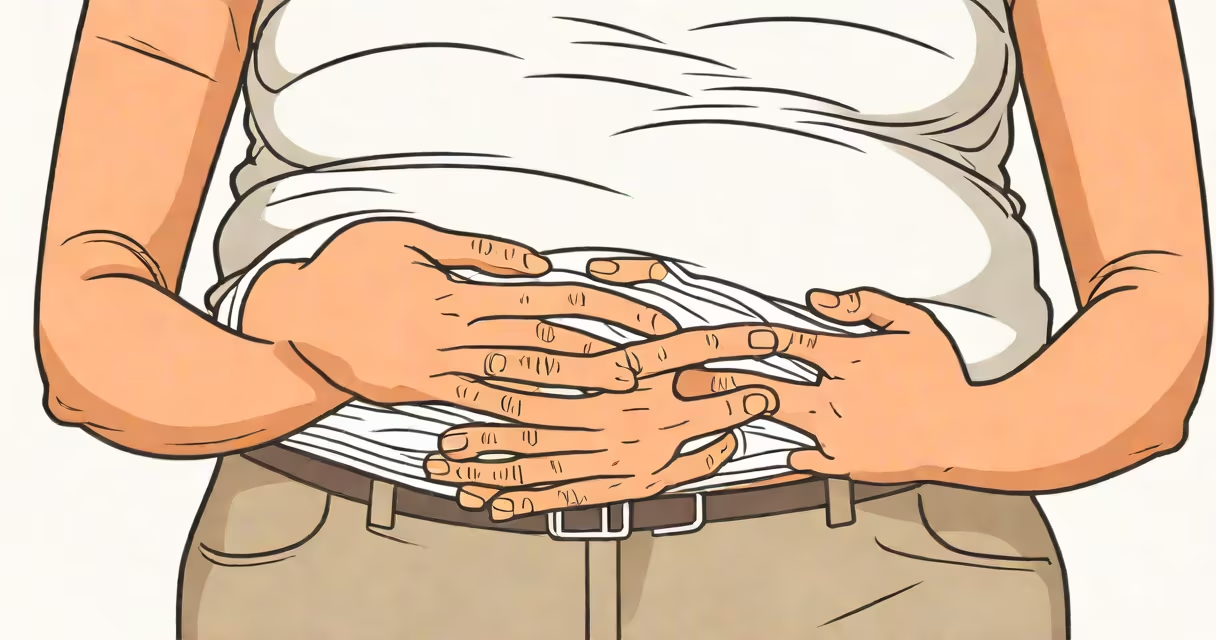
Inflamed bowels refer to irritation or swelling in the intestines, often caused by infection, autoimmune conditions like Crohn's disease, or food intolerances. Symptoms include abdominal pain, diarrhea, bloating, and fatigue. Addressing it requires identifying the cause and taking targeted steps to reduce inflammation and support healing.
When bowels become inflamed, the lining of the small or large intestine becomes irritated, disrupting normal digestion and nutrient absorption. This condition can develop suddenly due to a bacterial or viral infection, or it can be chronic, as seen in inflammatory bowel diseases (IBD). The immune system may mistakenly attack the intestinal tissue, leading to ongoing damage. Without intervention, inflammation can lead to complications such as strictures, fistulas, or malnutrition.
According to the National Institute of Diabetes and Digestive and Kidney Diseases (NIDDK), about 3 million adults in the U.S. have IBD, with Crohn's disease and ulcerative colitis being the most common forms. These conditions involve persistent bowel inflammation that requires long-term management. Acute cases, such as those from foodborne pathogens like Salmonella or E. coli, typically resolve within days to weeks with rest and hydration.
Inflammation in the bowels begins when the intestinal barrier is compromised. This barrier normally prevents harmful substances from entering the bloodstream. When damaged, bacteria, toxins, and undigested food particles can trigger an immune response. The resulting release of cytokines causes redness, swelling, and pain in the gut lining.
Common triggers include dietary factors-such as high intake of processed foods, saturated fats, or lactose in people with lactose intolerance. Food additives like emulsifiers (e.g., polysorbate-80) have been shown in animal studies to disrupt gut microbiota and increase intestinal permeability. A 2020 study published in *Nature* found that certain emulsifiers altered gut flora and promoted low-grade inflammation in mice, suggesting a potential link to human bowel issues.
Other causes include stress, which affects gut motility and secretion through the gut-brain axis, and medications like NSAIDs (e.g., ibuprofen), which can erode the intestinal lining. Antibiotics also disturb the balance of gut bacteria, increasing the risk of secondary infections like Clostridioides difficile, which causes severe colonic inflammation.
Bowel inflammation varies by location and underlying cause. The two primary categories are infectious and autoimmune-related inflammation.
| Type | Location | Common Causes | Typical Duration |
|---|---|---|---|
| Infectious | Large intestine (colon) | Salmonella, E. coli, C. diff, parasites | Days to 2 weeks |
| Autoimmune (IBD) | Small and/or large intestine | Crohn's disease, ulcerative colitis | Chronic, relapsing |
| Diet-induced | Entire GI tract | Lactose, gluten, FODMAPs, artificial sweeteners | Variable, often reversible |
For example, a patient with suspected C. diff infection may present with watery diarrhea, fever, and cramping. Stool testing confirms the presence of toxin B, and treatment includes oral vancomycin or fidaxomicin. In contrast, a diagnosis of Crohn's disease involves endoscopy showing skip lesions and granulomas in the ileum, confirmed by biopsy. Management focuses on immunomodulators and biologics like infliximab.
A key distinction often missed is that not all bowel inflammation stems from infection or autoimmunity. Functional gastrointestinal disorders like irritable bowel syndrome (IBS) involve altered gut sensitivity and motility but lack visible inflammation on endoscopy. However, research shows that even in IBS, low-grade immune activation occurs in the mucosa, suggesting inflammation may still play a role-even if not detectable via standard tests.
The first step is to identify the root cause. If symptoms last longer than 48 hours, include fever, blood in stool, or signs of dehydration (dry mouth, dizziness), seek medical evaluation. A healthcare provider may order blood tests, stool analysis, or imaging to rule out serious conditions.
Dietary modification is central to managing inflammation. The low-FODMAP diet-restricting fermentable carbohydrates-has been shown in clinical trials to reduce bloating and diarrhea in 75% of IBS patients. A 2016 study in *Gastroenterology* found that 76% of participants on a low-FODMAP diet reported symptom improvement after four weeks, compared to 40% on a standard diet.
For acute cases, the BRAT diet (bananas, rice, applesauce, toast) offers easily digestible, low-fiber options to rest the gut. These foods are bland and help firm up stools. Reintroduce fiber gradually after symptoms subside to avoid worsening irritation.
I experienced this firsthand during a bout of traveler's diarrhea while visiting rural Mexico. After two days of loose stools and cramps, I switched to clear fluids, then BRAT meals. Within 36 hours, symptoms improved. I later learned that the illness was likely due to enterotoxigenic E. coli, which produces a toxin that increases fluid secretion in the intestines. Avoiding dairy and high-fat foods during recovery helped prevent relapse.
Medications depend on the cause. For infections, antibiotics or antiparasitics are prescribed. For IBD, corticosteroids reduce inflammation acutely, while thiopurines or anti-TNF agents maintain remission. Probiotics like *Lactobacillus rhamnosus GG* have shown modest benefit in reducing duration of infectious diarrhea, according to a Cochrane review.
Many assume that all bowel inflammation requires antibiotics. This is incorrect. Using antibiotics in viral gastroenteritis or non-infectious IBD worsens outcomes by disrupting protective gut flora. The CDC warns against antibiotic misuse, noting that overuse contributes to C. diff outbreaks in hospitals and communities.
Another error is eliminating entire food groups without guidance. Cutting out gluten without celiac disease testing can mask symptoms of non-celiac gluten sensitivity or lead to nutritional deficiencies. The American Gastroenterological Association recommends confirming diagnoses via serology and biopsy before adopting restrictive diets.
Some believe that drinking more water alone resolves inflammation. While hydration supports recovery, it doesn't treat the underlying cause. Dehydration worsens symptoms, but rehydration alone won't heal a damaged intestinal lining. Electrolyte solutions like oral rehydration salts (ORS) are more effective than plain water in restoring fluid balance.
Finally, many confuse bowel inflammation with constipation. Chronic constipation can result from nerve dysfunction or medication side effects, not inflammation. However, in some cases, chronic inflammation leads to fibrosis and stricture formation, causing obstruction. Distinguishing between functional and structural causes is essential for proper treatment.