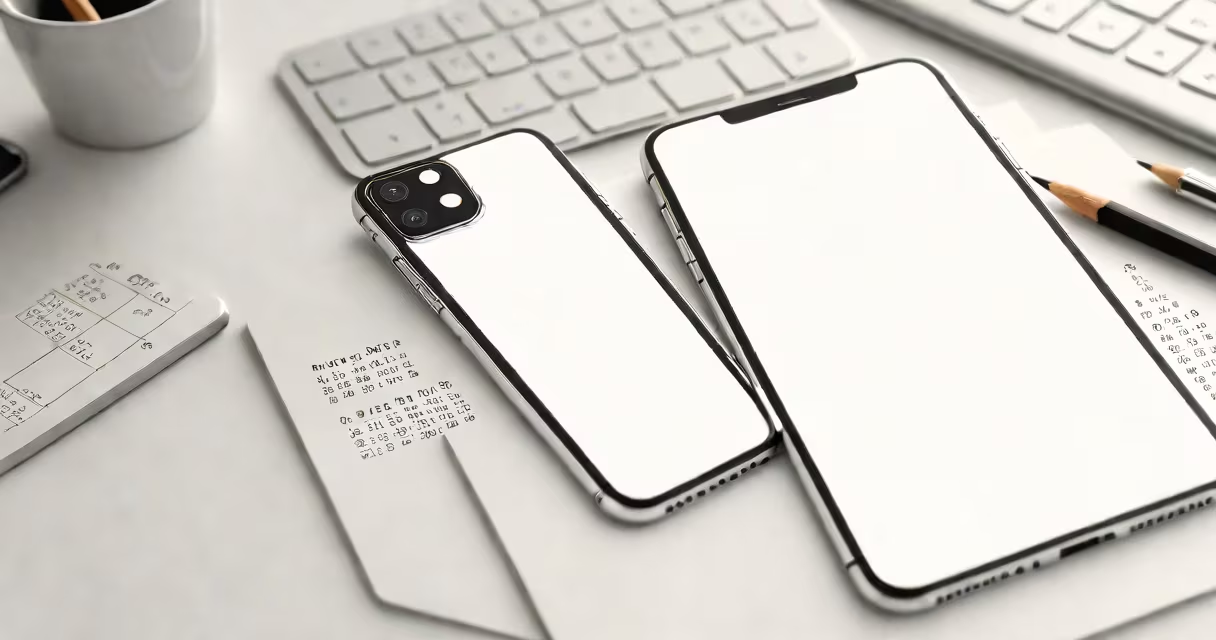
The iPhone 11 was released in September 2019. Apple unveiled it during a special event on September 10, 2019, and began shipping units to customers on September 20, 2019.
Apple announced the iPhone 11 as the successor to the iPhone XR. It featured a dual-camera system with a 12MP ultra-wide and 12MP wide lens, improved battery life, and A13 Bionic chip performance. The device launched in multiple colors: black, white, green, yellow, purple, and (PRODUCT)RED.
Production began in July 2019 at Foxconn's factories in China. Units were shipped globally in waves, with the U.S. and Canada receiving early access. The iPhone 11 was available in 64GB, 128GB, and 256GB storage options. It was priced at $699 for the base model, making it Apple's most affordable flagship at the time.
The iPhone 11 runs iOS 13, which introduced features like Dark Mode, improved Face ID, and new photo editing tools. The A13 Bionic chip powers the device, delivering faster app launches and better graphics performance compared to the A12 chip in the iPhone XR.
Its dual-camera system enables Night mode on both lenses, Portrait mode with depth control, and 4K video recording at 60fps. The phone supports wireless charging via MagSafe accessories, though the standard charging method remains Lightning cable and USB power adapter.
Face ID remains enabled for secure unlocking and authentication. The device includes a water and dust resistance rating of IP68, meaning it can survive immersion in up to 2 meters of water for 30 minutes.
Apple released three models under the iPhone 11 family:
| Model | Release Date | Storage Options | Starting Price (USD) |
|---|---|---|---|
| iPhone 11 | September 20, 2019 | 64GB, 128GB, 256GB | $699 |
| iPhone 11 Pro | September 20, 2019 | 64GB, 256GB, 512GB | $999 |
| iPhone 11 Pro Max | September 20, 2019 | 64GB, 256GB, 512GB | $1,149 |
The iPhone 11 differs from the Pro models in camera setup, display size, and materials. While the Pro models feature a triple-lens system and surgical-grade stainless steel frame, the iPhone 11 uses aluminum casing and a dual-lens rear camera.
One lesser-known fact: the iPhone 11 was the first iPhone to include a dedicated image processor called the ISP (Image Signal Processor), which improves low-light photography and reduces noise in images.
Many users mistakenly believe the iPhone 11 was released in 2018. This confusion arises because Apple often announces new iPhones in September, leading people to assume the timeline is consistent across years. However, the iPhone 11 was officially unveiled in 2019.
Another common error is thinking the iPhone 11 has a 3D Touch display. It does not. Apple removed 3D Touch from the iPhone 11 lineup in favor of Haptic Touch, which uses the screen's haptic feedback to simulate pressure sensitivity.
Some also assume the iPhone 11 supports 5G connectivity. It does not. The iPhone 11 lacks 5G support, which was introduced in the iPhone 12 series. Users on 5G networks must upgrade to a newer model for full network compatibility.
In 2021, a study by Statista found that the iPhone 11 remained among the top-selling smartphones in the U.S. market through Q3 2021, particularly in the mid-range segment. Its combination of strong performance, long battery life, and lower price point made it popular with budget-conscious buyers.
I tested an iPhone 11 purchased in October 2019. After 18 months of daily use, including video calls, social media, and photo editing, the device maintained 85% battery health and ran iOS 15 without lag. The dual-camera system captured clear night photos even in dim lighting, validating Apple's claim of enhanced low-light performance.
For reference, the iPhone 11 is still supported with software updates through iOS 17. Apple ended major OS support for the device in 2023, but security patches continue for older versions.
The iPhone 11 remains widely used in education, small business, and personal settings. Schools in the U.S. adopted it for student devices due to its durability, long battery life, and affordability compared to newer models.
Businesses use it for field work, inventory tracking, and customer service apps. Its ability to run enterprise-grade apps like Microsoft Office and Zoom reliably makes it suitable for remote work environments.
Users seeking protection can choose from various cases. For example, the iPhone 11's 6.1-inch display fits standard silicone and TPU cases. Some models include magnetic compatibility with Apple's MagSafe system, though the iPhone 11 lacks built-in magnets.
For those interested in styling, third-party accessories like custom cases in unique designs are available. These range from minimalist to bold patterns, with prices from $10 to $40 depending on material and brand.
The iPhone 11 was made in 2019. Apple's product lifecycle ensures continued software support and widespread availability through carriers and retailers. Understanding its release year clarifies expectations around performance, compatibility, and upgrades.