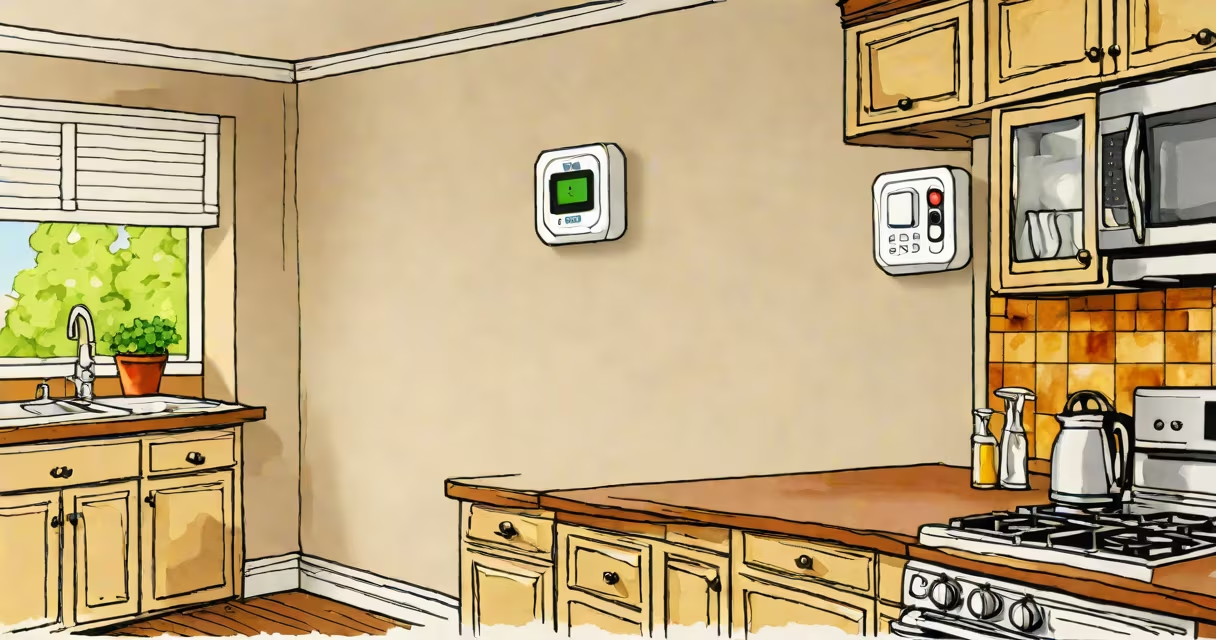
A carbon monoxide detector is a safety device that alerts you to the presence of colorless, odorless carbon monoxide gas in your home. These devices are essential for detecting leaks from furnaces, water heaters, stoves, and other fuel-burning appliances.
Carbon monoxide detectors are available at most major retail chains, home improvement centers, and online marketplaces. They come in battery-powered, plug-in, and hardwired models, with most meeting standards set by Underwriters Laboratories (UL), including UL 2030, the current safety standard for CO detectors.
The National Fire Protection Association (NFPA) recommends installing at least one carbon monoxide detector near sleeping areas and on every level of a home. Detectors should be placed within 10 feet of bedrooms and at least 15 feet from fuel-burning appliances to avoid false alarms.
Different models serve distinct needs based on power source, features, and installation method. The most common types are:
| Type | Power Source | Best For | Typical Price Range |
|---|---|---|---|
| Battery-Powered | 9V or AA batteries | Temporary housing, rentals, portable use | $15-$30 |
| Plug-In (AC Powered) | Wall outlet | Stable environments with consistent power | $20-$40 |
| Hardwired with Battery Backup | Home electrical system | Permanent installations, new construction | $35-$60 |
| Smart Detectors | Wi-Fi + battery | Integration with home security systems, remote alerts | $50-$100 |
Smart detectors offer advanced features such as mobile app notifications, voice alerts, and integration with smart home platforms like Amazon Alexa or Google Assistant. While more expensive, they provide real-time monitoring even when you're away from home.
Most big-box retailers carry carbon monoxide detectors in their home safety or electronics aisles. Stores like Home Depot, Lowe's, Walmart, and Target stock multiple brands, including First Alert, Kidde, and Nest. These stores often run seasonal promotions during fall and winter months when heating systems are in high use.
Pharmacies such as CVS, Walgreens, and Rite Aid also sell basic battery-powered models. These are typically priced under $25 and are ideal for renters or temporary living situations. Availability varies by location, but most urban and suburban outlets carry at least one model.
Online retailers offer broader selection and faster shipping. Amazon, Best Buy, and eBay list hundreds of models with customer reviews, ratings, and detailed specifications. A search for "UL-listed carbon monoxide detector" returns results filtered by compliance and performance metrics. For example, the First Alert CO610 is rated 4.7 stars from over 12,000 reviews and includes a low-battery warning and end-of-life indicator.
Local fire departments sometimes distribute free or discounted detectors during National Fire Prevention Week (October) or through community outreach programs. Some cities partner with nonprofit organizations to provide units to low-income households or elderly residents. Check your city's fire department website or call the non-emergency line to inquire about distribution events.
Many people confuse carbon monoxide detectors with smoke detectors. While both are safety devices, they detect different hazards. Smoke detectors respond to particulates from flames or smoldering fires. Carbon monoxide detectors detect invisible, odorless gas produced by incomplete combustion. Using both is critical-some models combine both functions in a single unit.
Another misconception is that carbon monoxide detectors last indefinitely. Most manufacturers recommend replacing them every 5 to 7 years. The sensor degrades over time, and older units may fail to trigger even when CO levels rise. The U.S. Consumer Product Safety Commission (CPSC) notes that expired detectors are responsible for 15% of preventable CO poisoning incidents annually.
Detectors should not be installed in garages, bathrooms, or near vents. High humidity and temperature fluctuations interfere with sensor accuracy. A detector placed too close to a furnace or water heater may trigger false alarms due to localized CO spikes during startup. Install units at least 15 feet from any combustion source.
I installed a First Alert SA300 battery-powered carbon monoxide detector in my apartment bedroom. The unit cost $22 at a local Walmart. I mounted it on the wall near the bed, 5 feet above the floor, following manufacturer instructions. The detector features a digital display showing "CO OK" when functioning normally.
After installation, I tested the alarm using the test button. It sounded and reset automatically. I checked the expiration date printed on the back-2029-and confirmed it was within the recommended 5-year window. I also replaced the batteries annually, as advised.
Two weeks later, the detector emitted a steady beep. I checked the display-it read "LOW BATTERY." I replaced the 9V battery immediately. The unit resumed normal operation. This event reinforced the importance of regular testing and maintenance.
For homes with multiple levels, install at least one detector on each floor. The NFPA requires detectors in sleeping areas because people are most vulnerable while unconscious. A study published in the Journal of the American Medical Association (JAMA) found that homes with detectors had a 54% lower risk of fatal CO exposure compared to homes without them.
When choosing a detector, verify it meets UL 2030 certification. This standard ensures the device responds correctly to CO concentrations between 30 and 400 parts per million (ppm) within specified timeframes. Devices without this mark may not perform reliably during emergencies.
Knowing where to get a carbon monoxide detector ensures your household stays safe. Whether purchased in-store or online, always choose a UL-certified model and follow installation guidelines carefully.