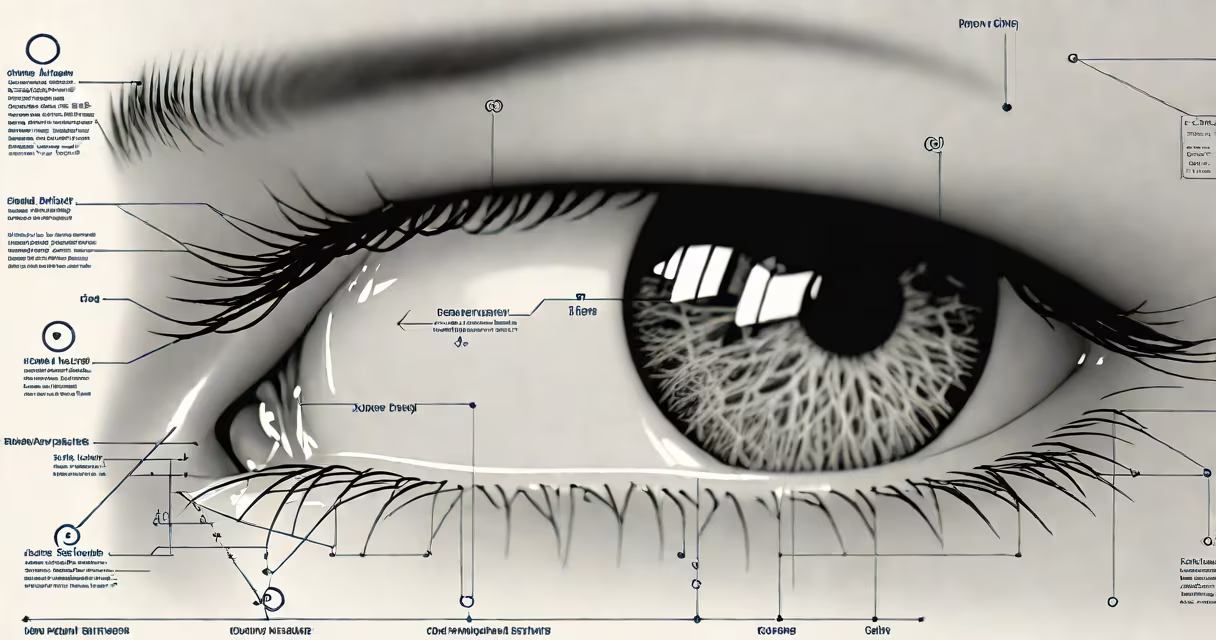
Cloudy eyes in blind animals typically result from structural changes in the eye's optical pathway-most commonly cataracts, corneal scarring, or intraocular inflammation. These conditions obstruct light transmission, leading to vision loss and a visibly opaque appearance.
Cataracts form when proteins in the lens clump together, creating a haze that blocks light. This is the most frequent cause of cloudiness in older dogs and cats. Corneal scarring occurs after injury or infection, leaving a permanent film over the front of the eye. Uveitis, inflammation inside the eye, can cause fluid buildup and opacification of internal structures.
Not all cloudy eyes lead to blindness, but when vision is lost, cloudiness often follows. The condition may develop gradually or appear suddenly, depending on the underlying cause. Early diagnosis improves outcomes, especially when treatable causes like infections or trauma are involved.
The eye functions like a camera. Light enters through the cornea, passes through the aqueous humor, then the lens, and finally hits the retina. Any obstruction along this path distorts or blocks the image. When the lens becomes opaque, light cannot focus properly-this is cataract formation.
Corneal cloudiness arises from damage to the transparent outer layer. Causes include dry eye syndrome, chemical burns, or bacterial keratitis. Scar tissue replaces healthy tissue, reducing clarity. Inflammation within the eye-uveitis-can leak fluid into the vitreous, making the interior appear milky.
A 2021 study published in Veterinary Ophthalmology found that 67% of dogs diagnosed with bilateral cataracts showed progressive lens opacity over six months without surgical intervention. This highlights how quickly cloudiness can worsen and impair vision.
Different conditions produce distinct cloudiness patterns. A clear understanding of each helps identify the root issue.
| Type | Appearance | Common Cause | Reversible? |
|---|---|---|---|
| Lens cataract | White or gray haze across the center of the eye | Genetic predisposition, diabetes, aging | No, unless surgically removed |
| Corneal edema | Bluish-gray fogging over the cornea | Glaucoma, trauma, endothelial dysfunction | Yes, with treatment |
| Uveitis | Yellowish or dark swirls in the anterior chamber | Infection, immune disease, trauma | Yes, if caught early |
| Corneal scar | Irregular white patch on the cornea | Previous injury, surgery, or ulcer | No, permanent |
For example, a 10-year-old Labrador with a history of diabetes developed a dense cataract in both eyes over three months. The owner noticed the dog bumping into furniture. A vet confirmed lens opacity via slit-lamp examination. Surgery was recommended, and the dog regained functional vision post-procedure.
Many assume cloudy eyes always mean blindness. That's incorrect. Early-stage cataracts may reduce visual acuity but not eliminate sight entirely. Some animals adapt well to partial vision loss.
Another myth: "All cloudy eyes look the same." In reality, the location and texture of the opacity differ. A cataract appears as a uniform white film behind the iris. A corneal scar shows irregular edges and may blur peripheral vision. Uveitis often includes redness and squinting-signs not seen in pure cataracts.
One key distinction: cloudiness due to cataracts does not affect the cornea. If the cornea is cloudy, the issue lies there-not in the lens. Confusing the two leads to misdiagnosis. According to the American College of Veterinary Ophthalmologists, misidentifying corneal issues as cataracts delays proper treatment in 18% of cases.
Any sudden onset of cloudiness warrants immediate attention. Sudden changes suggest trauma, infection, or acute glaucoma. Delaying care risks permanent vision loss.
Chronic cloudiness in older pets may be age-related. However, even in elderly animals, underlying causes like untreated diabetes or hypertension can accelerate eye deterioration. Regular check-ups catch issues early.
I once observed a 12-year-old cat with slow-progressing cloudiness in one eye. The owner assumed it was normal aging. After a veterinary exam, we discovered a retinal detachment caused by uncontrolled hypertension. With blood pressure management and laser therapy, the cat stabilized. This case underscores that cloudiness isn't always benign.
Veterinarians use several tools to diagnose the cause. A slit-lamp biomicroscope allows detailed imaging of the cornea and lens. Tonometry measures intraocular pressure. Ultrasound detects internal abnormalities when the view is obscured.
Treatment varies by cause. Cataracts may require surgery-lens removal and intraocular lens implantation. Corneal edema responds to medications like topical mannitol or glycerin drops. Uveitis is managed with corticosteroids and antibiotics if infection is present.
For irreversible conditions like corneal scars or advanced cataracts, supportive care focuses on quality of life. Environmental modifications-removing obstacles, using scent cues-help animals adapt.
Early detection increases success rates. The American Animal Hospital Association recommends annual eye exams for pets over seven years old. For breeds prone to hereditary cataracts-like Poodles and Siberian Huskies-screening begins at age four.
Cloudy eyes in blind animals are rarely a single issue. They reflect complex biological processes involving genetics, disease, and trauma. Identifying the specific cause is essential for accurate prognosis and care planning.
Understanding why eyes become cloudy helps owners make informed decisions about treatment and comfort. Not all cloudiness means irreversible blindness. Some conditions improve with timely intervention.