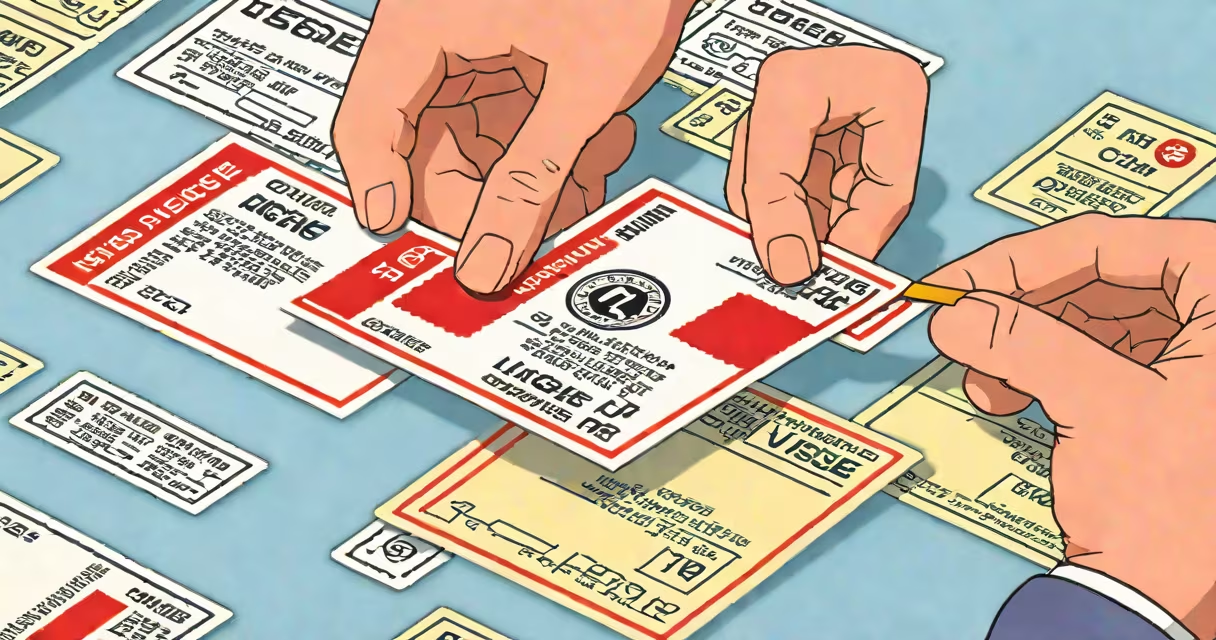
You can lose your driver's license through serious traffic violations, accumulating too many points on your record, failing to pay fines or court-ordered obligations, or being convicted of a felony involving a vehicle. The exact threshold varies by state, but most jurisdictions suspend licenses after three major infractions within a year or a single DUI conviction.
Licenses are issued by state motor vehicle departments, such as the Department of Motor Vehicles (DMV), and are subject to revocation under state law. A license is not a right-it's a privilege granted based on demonstrated responsibility behind the wheel. When a driver fails to meet safety standards or legal obligations, the state can take that privilege away.
The process begins with a notice from the DMV or court. You may have the chance to contest the suspension in writing or request a hearing. However, if you ignore the notice or fail to appear, the suspension becomes automatic. Once suspended, you cannot legally operate a motor vehicle until you complete all reinstatement steps, which often include paying fees, retaking a written test, and sometimes attending a defensive driving course.
Driving under the influence (DUI) is the most frequent reason for immediate license suspension. In most states, a blood alcohol concentration (BAC) of 0.08% or higher triggers an automatic 30-day suspension upon arrest, even before trial. Some states impose longer suspensions-up to one year-for a first DUI, and lifetime revocation for repeat offenders.
Other common causes include accumulating too many traffic points. For example, in California, receiving six or more points within 12 months results in a suspension. Points are assigned for speeding, reckless driving, failure to yield, and other moving violations. Each offense adds a specific number of points-speeding 10 mph over the limit adds two points, while texting while driving adds four.
Failure to pay traffic tickets or child support can also lead to license suspension. In Texas, the DMV automatically suspends licenses for unpaid fines exceeding $100. Similarly, in New York, unpaid parking violations or court-ordered debts can result in a hold on your license until resolved. These actions are enforced through inter-agency data sharing between DMVs and state courts.
| Offense Type | Typical Suspension Duration | State Example |
|---|---|---|
| DUI (first offense) | 30 days to 1 year | Florida: 180-day suspension |
| Reckless driving | 6 months to 1 year | Michigan: 1-year suspension |
| Unpaid traffic fines | Indefinite until paid | Texas: suspension after $100 owed |
| License renewal delinquency | 1 year | California: 1-year suspension after 12 months overdue |
Many drivers assume that a license suspension only applies after a conviction. This is incorrect. In several states, including Colorado and Washington, an administrative suspension occurs immediately after a DUI arrest-even before a court date. The driver receives a temporary permit valid for 30 days, but the permanent suspension takes effect unless they request a hearing within 10 days.
Another misconception is that minor traffic violations don't affect your license. But repeated small infractions-like speeding 5 mph over the limit-can accumulate points fast. In Virginia, five instances of speeding 5-10 mph over the limit within 12 months add up to 10 points, triggering a mandatory suspension.
A lesser-known fact: some states suspend licenses for non-driving-related criminal acts. In Illinois, a conviction for theft involving a vehicle (such as stealing a car to commit fraud) results in automatic license revocation. The DMV considers this a violation of public trust related to vehicle operation.
In 2022, John R., a 34-year-old delivery driver in Ohio, received three speeding tickets in eight months-each for 15 mph over the limit. He ignored the first two notices, assuming they'd be dismissed. By the time he responded to the third, his license had already been suspended due to point accumulation. He was fined $250 for late response and required to attend a 12-hour defensive driving course before reinstatement. His employer terminated him for operating a vehicle without a valid license during work hours.
John's case illustrates how ignoring notices compounds consequences. He didn't realize that missing a deadline to appeal a ticket could trigger automatic suspension. The DMV sent three notices via certified mail. He only opened the last one after being pulled over by police who ran his plate and discovered the suspension.
Always respond to DMV notices within the stated timeframe. Most states allow a 10- to 15-day window to request a hearing. Missing this window ends your right to contest the suspension. If you're facing multiple citations, consider hiring a traffic attorney to negotiate reduced penalties or dismissals.
Regularly check your driving record. The National Motor Vehicle Theft Act mandates that states provide free access to driving records annually. Use this to catch errors-like duplicate tickets or incorrect point assignments-before they escalate.
Pay all fines promptly. Delinquent payments lead to license holds. In Arizona, the DMV blocks renewals for any outstanding debt above $50. You can pay online or in person, but delays increase the risk of suspension.
When you receive a notice, act immediately. The system moves quickly. One missed deadline can cost you months of driving rights.