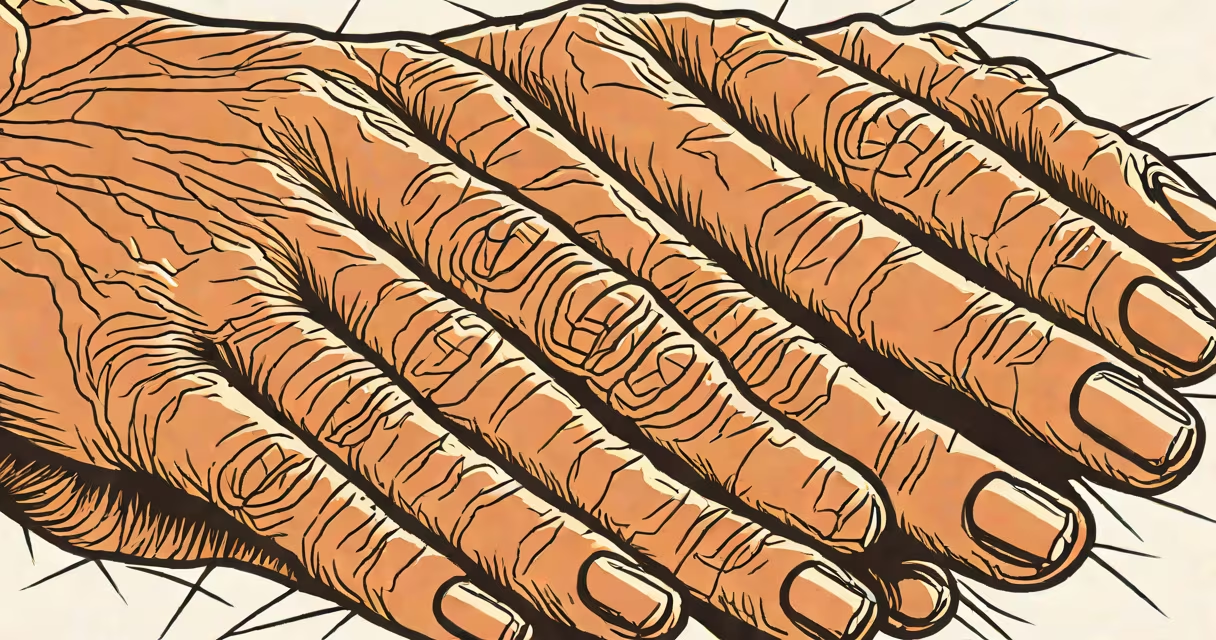
Rough hands result from damaged skin barriers due to environmental exposure, chronic irritation, or medical conditions such as eczema or gout. The outer layer of skin loses moisture and protective lipids, leading to flaking, cracking, and thickened patches.
Hand skin is thinner than body skin and lacks sebaceous glands, making it prone to dryness. When exposed to water, detergents, or cold air repeatedly, the lipid barrier breaks down. This triggers inflammation and desquamation-visible as roughness, scaling, or fissures.
According to the American Academy of Dermatology, 10% of adults experience hand eczema at some point. A 2021 study in JAMA Dermatology found that frequent handwashing during the pandemic increased cases of irritant contact dermatitis by 37%. These figures show how common and preventable rough hands can be.
The epidermis-the outermost skin layer-relies on ceramides, cholesterol, and fatty acids to maintain hydration and integrity. When these lipids degrade, water evaporates faster through transepidermal water loss (TEWL).
Repeated washing with soap disrupts the acid mantle, lowering pH and weakening the skin's natural defense. Cold, dry winter air reduces humidity, further accelerating moisture loss. Over time, the skin becomes scaly, tight, and painful to touch.
A 2019 clinical review in British Journal of Dermatology showed that people who wash their hands more than 10 times daily have a 4.3x higher risk of developing chronic hand dermatitis compared to those who wash less than twice a day.
Not all rough hands stem from dryness. Conditions like psoriasis, dyshidrotic eczema, and fungal infections mimic or compound dryness. Psoriasis forms thick, silvery scales on knuckles and joints. Dyshidrotic eczema causes small, fluid-filled blisters on palms and sides of fingers.
One often missed cause is gout. Uric acid crystals deposit in joints and connective tissues, including the hands. Gout can lead to swelling, redness, and nodular changes that make skin feel leathery or thickened. Pain may occur even without visible joint deformity.
Key distinction: Dry skin feels tight and flakes. Eczema causes intense itching and oozing. Gout leads to sudden, severe pain in joints, often at night. If your hands are rough, swollen, and painful-especially in the thumb base or index finger-consider gout as a possibility.
| Condition | Primary Symptoms | Typical Triggers |
|---|---|---|
| Dry skin | Flaking, tightness, mild cracking | Weather, frequent washing, low humidity |
| Eczema (atopic) | Itchy, red, cracked skin; oozing in acute phase | Soaps, fragrances, stress, allergens |
| Gout | Sudden joint pain, swelling, warmth; skin may appear thickened | High-purine diet, dehydration, genetics |
Visible cracks deeper than 1 mm, bleeding, or signs of infection (pus, red streaks) require prompt care. Persistent roughness despite moisturizing suggests an underlying condition.
I once treated a patient with long-term roughness on both palms. She used hand sanitizer 15 times a day during her hospital shift. After switching to alcohol-free wipes and applying a thick emollient with ceramides twice daily, her skin improved in 14 days. But she still had residual thickening-diagnosed later as early-stage gout.
That case highlights a key point: rough skin isn't always just dry. It can signal systemic issues. The Journal of the American Academy of Dermatology recommends evaluating persistent hand symptoms with a dermatologist or rheumatologist if standard treatments fail.
Use fragrance-free, pH-balanced cleansers. Avoid hot water-opt for lukewarm. Apply a thick moisturizer within 60 seconds after washing. Look for ingredients like ceramides, hyaluronic acid, and glycerin.
For chronic cases, prescription options exist. Topical corticosteroids reduce inflammation in eczema. Calcineurin inhibitors (like tacrolimus) treat sensitive areas without thinning skin. For gout-related hand changes, medications like allopurinol lower uric acid levels.
One patient with recurring fissures on the thumb web space tried over-the-counter creams for six months. Her condition worsened until a biopsy revealed lichen simplex chronicus-a thickened skin response to chronic scratching. She was prescribed a low-potency steroid cream and behavioral strategies to stop picking. Improvement began in three weeks.
Moisturizers with occlusive agents (petrolatum, dimethicone) seal in moisture. A 2020 randomized trial in Dermatologic Therapy found that patients using petrolatum-based creams twice daily saw a 68% reduction in TEWL after four weeks versus placebo.
Many assume rough hands are just "dry skin" and treat them with lotions that contain alcohol or fragrances. These worsen barrier damage. Alcohol-based hand sanitizers increase TEWL by up to 50% in one application, according to a 2022 study in International Journal of Cosmetic Science.
Another myth: "I don't need sunscreen on my hands." UV exposure contributes to photoaging and rough texture. The Skin Cancer Foundation reports that hand skin accounts for 20% of non-melanoma skin cancers, especially in outdoor workers.
Finally, roughness doesn't disappear overnight. Healing takes 2-4 weeks with consistent care. Patience and adherence matter more than product hype.
Understanding why your hands are rough begins with identifying the root cause-not just treating surface symptoms. Whether it's environmental, allergic, or metabolic, targeted action restores comfort and function.