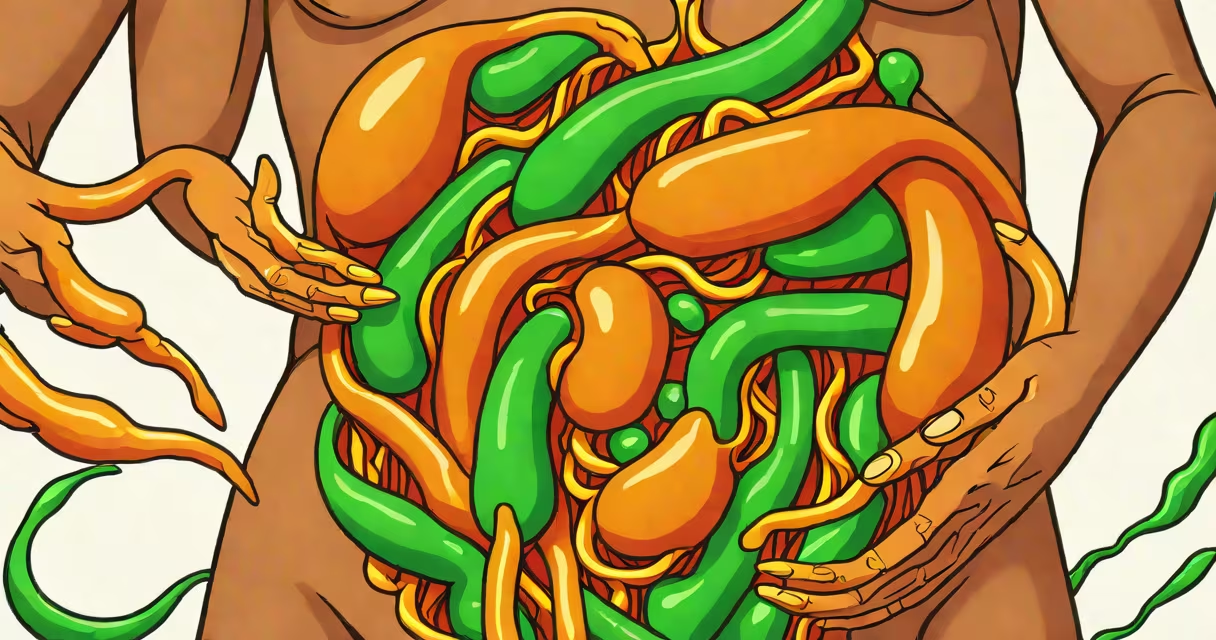
After gallbladder removal, bile flows continuously from the liver into the small intestine instead of being stored and released in bursts. Most people live normally without a gallbladder, though some adjust slowly to changes in digestion.
The gallbladder stores bile produced by the liver. When you eat fatty meals, it contracts and releases bile into the small intestine to break down fats. Without it, bile flows steadily rather than in response to food. This shift alters how fat digestion works, but the body adapts over time.
According to the National Institute of Diabetes and Digestive and Kidney Diseases (NIDDK), about 750,000 cholecystectomies are performed annually in the U.S., making it one of the most common abdominal surgeries. Most patients return to normal activities within two weeks.
Bile continues to flow from the liver through the common bile duct into the small intestine. Without storage, bile enters the gut constantly, not just during meals. This constant trickle reduces the efficiency of fat breakdown during high-fat meals.
As a result, some people develop temporary diarrhea or bloating after eating fatty foods. The digestive system compensates by increasing bile acid absorption and adjusting intestinal motility. Over time, the colon adapts to handle continuous bile flow.
A 2021 study published in Frontiers in Physiology found that 68% of patients reported improved digestion six months after surgery, while 22% experienced mild, persistent symptoms. These were mostly related to dietary habits, not physiological failure.
Gallbladder removal is called a cholecystectomy. It's done either laparoscopically (minimally invasive) or via open surgery. Laparoscopic procedures account for over 95% of cases due to faster recovery and lower infection risk.
| Surgical Method | Recovery Time | Common Side Effects |
|---|---|---|
| Laparoscopic | 5-7 days | Mild pain at incision sites, shoulder soreness (from gas) |
| Open Surgery | 6-8 weeks | More pain, longer hospital stay, higher infection risk |
Most patients go home the same day after laparoscopic surgery. Pain usually resolves within a week. Shoulder discomfort occurs because the diaphragm is irritated by carbon dioxide gas used during the procedure.
I had a laparoscopic cholecystectomy after experiencing severe pain from gallstones. My surgeon confirmed stones blocked the cystic duct. Within five days, I resumed walking and light work. By two weeks, I returned to cooking and eating regular meals.
Many assume life without a gallbladder means permanent dietary restrictions. That's not true. While high-fat meals may cause loose stools initially, most people tolerate them after adaptation.
Some confuse post-cholecystectomy syndrome (PCS) with permanent disability. PCS affects fewer than 10% of patients and includes ongoing pain, nausea, or diarrhea. It's often due to undiagnosed bile duct issues, not absence of the gallbladder itself.
A key distinction: bile duct obstruction or residual stones in the common bile duct can mimic gallbladder-related symptoms. If pain persists after surgery, imaging like MRCP (magnetic resonance cholangiopancreatography) is needed to rule out ductal problems.
Contrary to popular belief, removing the gallbladder does not increase cancer risk. The NIDDK states there's no link between cholecystectomy and colorectal or other gastrointestinal cancers.
For the first few weeks, doctors recommend low-fat, high-fiber meals. Avoid fried foods, greasy meats, and heavy sauces. Gradually reintroduce fats as tolerance improves.
Example: A patient eats scrambled eggs with spinach and whole wheat toast for breakfast. Lunch is grilled chicken salad with olive oil dressing (1 tsp). Dinner includes baked salmon, steamed broccoli, and quinoa. This pattern supports gradual adaptation.
Over time, many people eat normally. However, some report increased bowel movements after meals, especially after consuming large amounts of fat. This is due to unregulated bile release, not disease.
Research from the American Journal of Gastroenterology shows that 85% of patients maintain normal quality of life one year post-surgery. Only 12% require medication for symptom control.
If you experience frequent diarrhea, bloating, or abdominal pain after meals, consult a gastroenterologist. Tests like a hepatobiliary iminodiacetic acid (HIDA) scan may be used to assess bile flow, though they're rarely needed post-surgery.
For those who continue to struggle, bile acid binders such as cholestyramine may help reduce diarrhea. But these are used only when symptoms persist beyond six months and affect daily life.
Understanding what happens when you don't have a gallbladder helps manage expectations. The body adapts well. Most people resume normal routines quickly. The key is monitoring symptoms and adjusting diet gradually.
Living without a gallbladder doesn't mean living poorly. With awareness and minor adjustments, most people thrive.