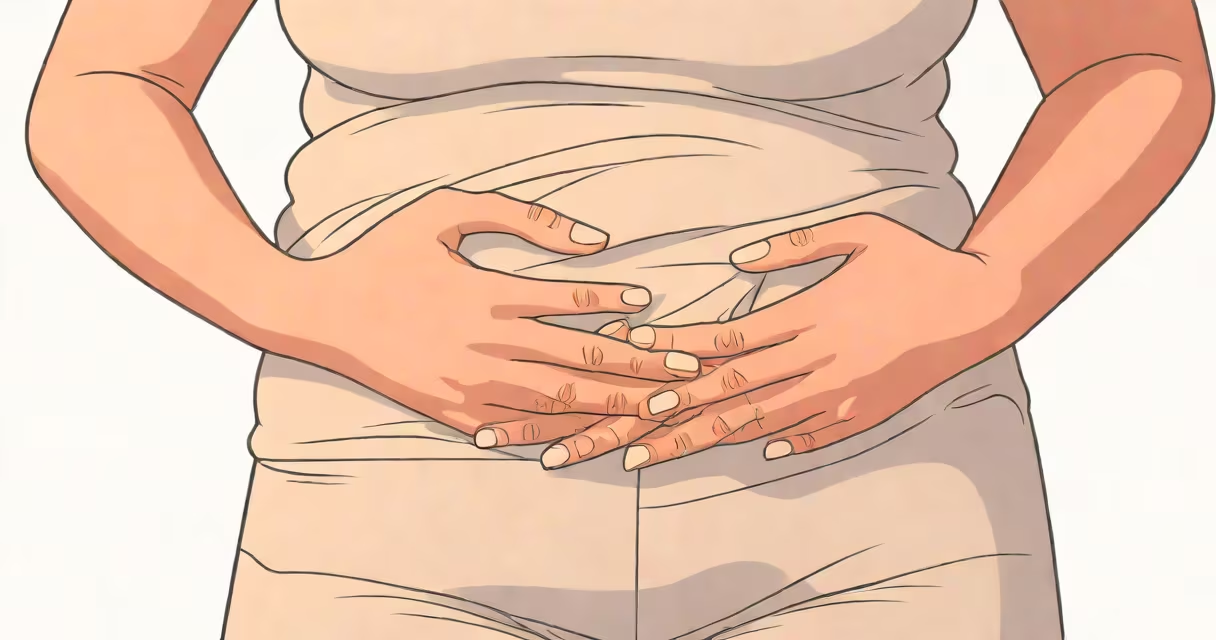
Menstrual cramps result from intense uterine contractions caused by high levels of prostaglandins, hormone-like substances that trigger muscle contractions to expel the uterine lining. These contractions can temporarily cut off blood flow to the uterus, causing pain. The condition affects about 50% of people who menstruate, with 10% reporting severe symptoms.
Prostaglandins are produced in the endometrium-the inner lining of the uterus-during the late luteal phase of the menstrual cycle. As estrogen and progesterone drop before menstruation begins, the endometrial cells release large amounts of prostaglandin F2α (PGF2α), which causes the uterine muscles to contract forcefully. This process helps shed the lining, but excessive contraction can compress nearby blood vessels, reducing oxygen supply and triggering pain signals.
Research from the American College of Obstetricians and Gynecologists (ACOG) confirms that higher prostaglandin levels correlate with increased pain severity. A 2021 study published in Frontiers in Pharmacology found that women with dysmenorrhea (painful periods) had elevated PGF2α concentrations compared to those with mild or no pain. Levels peak around the first 24 hours of bleeding, aligning with the worst pain for most individuals.
When prostaglandins bind to receptors on uterine smooth muscle, they initiate strong, rhythmic contractions. These contractions resemble labor contractions but are less coordinated. The force can press against nerves in the pelvic region, activating nociceptors-pain-sensing nerve endings-and sending distress signals to the brain.
Some people report additional symptoms during cramping episodes: nausea, diarrhea, dizziness, fatigue, and headaches. These occur because prostaglandins can affect other smooth muscle tissues-like those in the intestines-leading to gastrointestinal disturbances. A 2019 review in Journal of Women's Health noted that up to 60% of individuals with painful periods also experience digestive issues during menstruation.
Cramps typically begin just before or at the start of menstrual bleeding. They often subside within 48 hours as prostaglandin levels decline. However, persistent or worsening pain beyond the first few days may indicate an underlying condition such as endometriosis or adenomyosis, both of which involve abnormal tissue growth that increases prostaglandin production.
Not all cramps are the same. There are two primary categories: primary dysmenorrhea and secondary dysmenorrhea.
| Type | Onset | Underlying Cause | Typical Age Range |
|---|---|---|---|
| Primary dysmenorrhea | Starts within 6 months to 2 years after menarche | High prostaglandin levels; no structural abnormalities | Teens and young adults |
| Secondary dysmenorrhea | Develops later in life, often after age 25 | Endometriosis, fibroids, adenomyosis, pelvic inflammatory disease | Adults, especially those with reproductive health history |
Primary dysmenorrhea is common and usually resolves with age or hormonal birth control. Secondary dysmenorrhea requires medical evaluation due to potential underlying pathology. For example, endometriosis-a condition where endometrial-like tissue grows outside the uterus-can lead to chronic inflammation and elevated prostaglandin synthesis, resulting in progressively worsening pain.
A 2020 study in Human Reproduction found that women with endometriosis had prostaglandin levels up to 3.5 times higher than controls. This explains why pain often begins earlier in the cycle and persists longer than typical menstrual cramps.
Many assume cramps are simply "normal" and must be endured. While mild cramping is common, severe pain that interferes with daily activities is not normal and warrants clinical attention. The World Health Organization (WHO) classifies disabling menstrual pain as a public health concern, affecting education and work participation globally.
Another misconception is that cramps are solely caused by stress or poor diet. While lifestyle factors can influence symptom severity, the root cause lies in physiological processes involving hormones and nerve signaling. Stress may amplify pain perception through cortisol release, but it doesn't initiate the uterine contractions themselves.
Some people believe that skipping periods with birth control eliminates cramps entirely. While hormonal contraceptives reduce prostaglandin production and often lessen cramp intensity, they don't eliminate them in all users. A 2022 meta-analysis in Obstetrics & Gynecology showed that 30% of women using combined oral contraceptives still experienced moderate to severe cramping, though frequency was reduced by 40% on average.
Sarah, a 21-year-old college student, reported experiencing debilitating cramps since her first period at age 13. Her pain began 12 hours before bleeding started and lasted five days. She missed classes twice a month and relied on ibuprofen, which provided partial relief. Blood tests and ultrasound revealed no structural abnormalities. Her doctor diagnosed her with primary dysmenorrhea and prescribed a low-dose combined oral contraceptive. After three months, her cramp duration dropped from five to two days, and she returned to full academic participation.
This case illustrates that while prostaglandin-driven cramps are biologically rooted, effective management exists. Sarah's experience reflects findings from a 2023 randomized controlled trial showing that continuous-use birth control pills reduced prostaglandin levels by 62% and decreased pain scores by 78% over six months.
Understanding the biological basis of cramps empowers informed choices. Over-the-counter NSAIDs like ibuprofen or naproxen inhibit prostaglandin synthesis and are most effective when taken at the first sign of pain. Studies show they reduce cramp severity by 50-70% when used early.
Heat therapy also provides measurable relief. A 2021 study in Pain Medicine found that applying a heating pad to the lower abdomen reduced pain intensity by 40% within 15 minutes. The warmth improves blood flow and relaxes tense muscles.