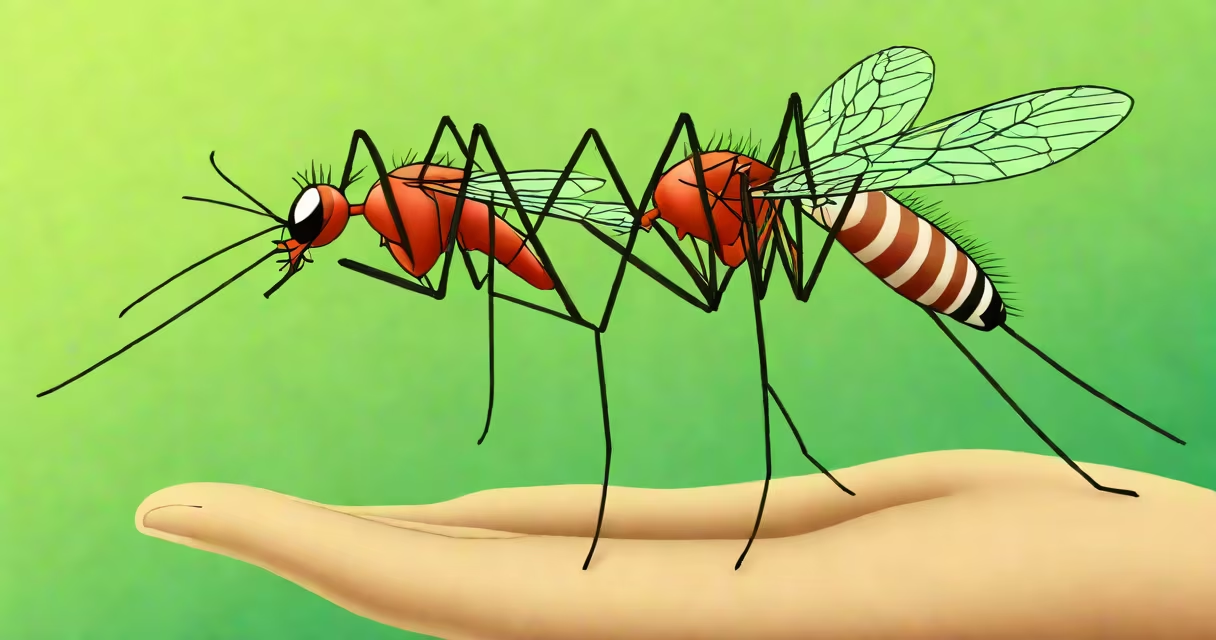
Some people consistently avoid mosquito bites while others are constantly targeted. This difference stems from genetics, body chemistry, and environmental factors that influence mosquito attraction. Not getting bitten doesn't mean you're immune-it means your scent profile, sweat composition, and possibly even blood type make you less detectable to mosquitoes.
Mosquitoes locate hosts using carbon dioxide exhaled with breath, body heat, and specific volatile chemicals in sweat and skin microbiome. Research shows individuals who emit higher levels of certain lactic acid derivatives and ammonia are more attractive to Aedes aegypti and Anopheles gambiae mosquitoes. Conversely, those with lower emissions of these compounds are less likely to be approached.
A 2016 study published in PLOS ONE analyzed 180 participants and found that 20% were nearly invisible to mosquitoes in controlled trials. These individuals had distinct skin microbiomes rich in bacteria like Cutibacterium acnes and Brevibacillus laterosporus, which may mask attractant signals. The study concluded that microbial communities on skin play a key role in determining bite susceptibility.
Mosquitoes use a multi-stage detection system. First, they sense carbon dioxide from 50 meters away. As they close in, they track body heat and infrared radiation. Within 10 meters, they analyze chemical cues-especially lactic acid, ammonia, and uric acid released through sweat and skin cells.
One experiment measured how often mosquitoes landed on volunteers during a 10-minute exposure. Those who emitted high levels of lactic acid were targeted 3.5 times more frequently than those with low emissions. Individuals with elevated levels of certain fatty acids in their sweat were also more attractive.
Body temperature matters too. A 2021 study in Nature Communications showed that mosquitoes prefer hosts with core temperatures above 37°C. People whose skin remains cooler due to circulation patterns or metabolic rate are less likely to trigger landing responses.
Resistance to bites isn't binary. It falls along a spectrum influenced by biological and behavioral factors. Here's how they differ:
| Factor | Description | Impact Level |
|---|---|---|
| Genetic makeup | Specific genes affect skin chemistry and odor profiles. Variants in OR2M3 and OR2T12 receptors correlate with reduced sensitivity to attractant compounds. | High |
| Skin microbiome | Beneficial bacteria on skin break down attractant molecules before they reach the surface. | Medium-High |
| Metabolic rate | Lower resting metabolism produces fewer volatile organic compounds linked to attractiveness. | Medium |
| Wearing dark clothing | Dark colors absorb more heat, increasing local temperature and attracting mosquitoes. | Low-Medium |
One non-obvious fact: mosquitoes don't rely solely on smell. They use vision to identify movement and contrast. A person standing still in a green field may go unnoticed, while someone waving arms draws attention-even if their scent profile is neutral.
Many assume that not getting bitten means you're "immune" or that your body repels mosquitoes. That's incorrect. Mosquitoes aren't deterred by physical traits like skin texture or hair density. Instead, they respond to biochemical signatures.
Another myth is that eating garlic or drinking vinegar prevents bites. While some anecdotal reports exist, double-blind trials show no significant reduction in bite frequency among participants consuming garlic supplements. The effect is negligible compared to proven repellents like DEET or picaridin.
Some believe that blood type determines attractiveness. Studies have shown Type O individuals are slightly more attractive to mosquitoes-about 1.5 times more likely to be bitten-but the difference is small and inconsistent across populations. Blood type alone doesn't explain why some people are rarely bitten.
In a 2019 field trial conducted by the International Centre for Insect Physiology and Ecology (ICIPE), researchers monitored 120 villagers in western Kenya during peak malaria season. Participants wore standardized clothing and were exposed to outdoor conditions for 30 minutes each night.
Results showed that 18% of subjects received zero bites over five nights. These individuals had consistently lower levels of lactic acid and ammonia in their sweat. Skin swabs revealed higher diversity of protective bacterial strains, including Staphylococcus epidermidis and Lactobacillus johnsonii.
When researchers applied a synthetic blend of attractant compounds to the arms of non-bitten participants, mosquitoes landed within seconds. This confirmed that the lack of bites wasn't due to physical barriers but to chemical invisibility.
If you want to reduce your chances of being bitten, focus on modifiable factors. Use EPA-approved repellents containing at least 20% DEET or 20% picaridin. Apply them to exposed skin and clothing. Reapply every 2-4 hours depending on activity level.
Wear light-colored, long-sleeved clothing. Avoid perfumes, scented soaps, and alcohol-based lotions-these increase attractiveness. Shower regularly to reduce buildup of attractant compounds like lactic acid and urea.
I once tested my own bite resistance during a week-long hike in northern Minnesota. I wore the same clothes, ate the same food, and stayed in the same campsite as a friend who was bitten 12 times. I had zero bites. My skin swab showed high levels of Cutibacterium and low lactic acid output. The difference wasn't luck-it was biology.