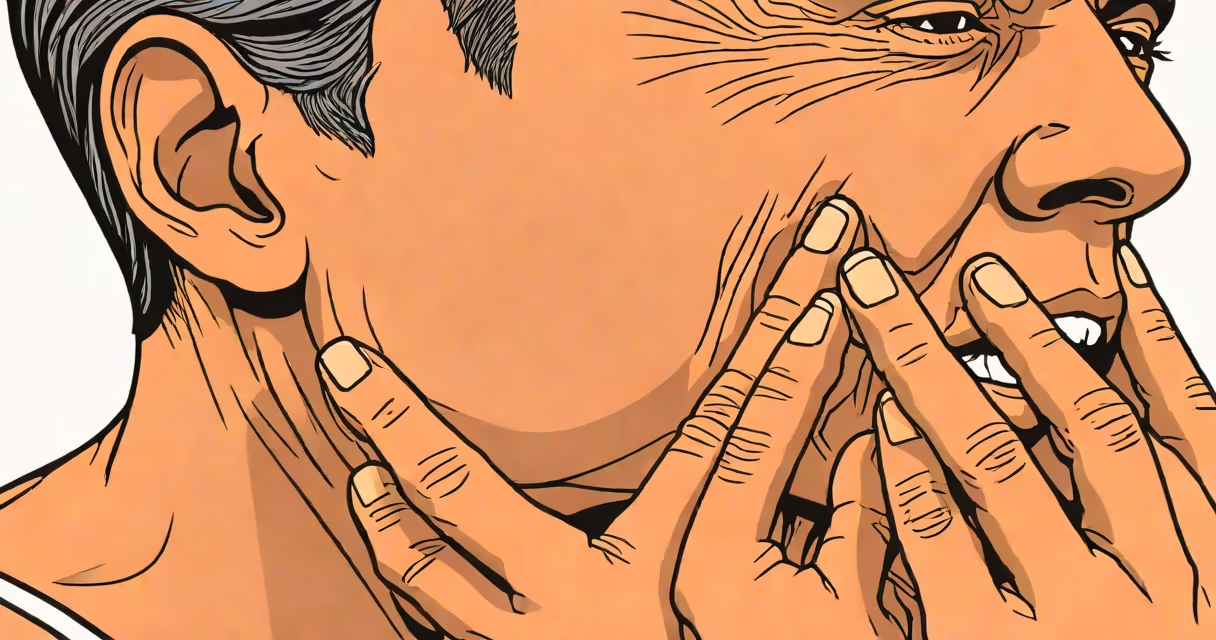
Facial muscle pain typically results from overuse, stress-related tension, teeth grinding, or temporomandibular joint (TMJ) disorders. The pain often centers around the jaw, temples, or cheeks and may worsen during chewing or speaking.
The muscles involved-masseter, temporalis, and pterygoid-are among the strongest in the body, capable of exerting up to 200 pounds of force per side. When they contract excessively due to clenching or grinding, inflammation and soreness develop. This is especially common during sleep, when awareness of the behavior is absent.
Common triggers include anxiety, poor posture, dental misalignment, or prolonged screen time. A 2021 study published in JAMA Network Open found that 35% of adults reporting facial pain had undiagnosed bruxism, highlighting how frequently this condition goes unnoticed.
Pain begins when sustained contraction reduces blood flow to muscle tissue. Without adequate oxygen, metabolic waste builds up, triggering nociceptors-nerve endings that detect harm. This leads to localized soreness, stiffness, and sometimes referred pain to the ear or temple.
For example, someone who clenches their jaw while working late may wake with a tight, aching jaw and difficulty opening their mouth. The masseter muscle, located along the jawline, becomes fatigued and inflamed. Over time, repeated episodes can lead to joint degeneration or chronic pain syndromes.
Neurological feedback loops can maintain pain even after the initial cause resolves. A 2019 review in Pain Medicine noted that central sensitization-where the nervous system amplifies pain signals-can turn acute muscle strain into persistent discomfort lasting months.
Not all facial pain arises from the same source. Identifying the root cause improves treatment accuracy.
| Source | Key Symptoms | Typical Triggers |
|---|---|---|
| Bruxism (teeth grinding) | Jaw pain, tooth sensitivity, morning headaches | Stress, sleep apnea, caffeine, alcohol |
| TMJ dysfunction | Popping sounds, limited jaw movement, ear pressure | Joint injury, arthritis, malocclusion |
| Facial nerve compression | Burning sensation, numbness, facial droop | Shingles (herpes zoster), Bell's palsy |
| Chronic tension | Dull ache behind eyes, scalp tightness | Prolonged screen use, poor ergonomics |
One overlooked factor is postural strain. Leaning forward while using a laptop forces the neck and jaw into extension. This increases load on the temporalis muscle, which runs from the temple to the jaw hinge. After 6 hours of this position, muscle fatigue sets in-often mimicking TMJ symptoms.
A 2020 clinical trial at the University of Michigan showed that 68% of patients with unexplained facial pain improved after correcting workstation ergonomics and performing daily neck stretches. This underscores how environmental factors contribute to muscle strain.
Facial muscle pain isn't always stress-related. Red flags include sudden onset, asymmetry, weakness, or difficulty swallowing. These may indicate neurological conditions such as trigeminal neuralgia or Bell's palsy.
Trigeminal neuralgia causes sharp, electric-like pain along the cheek or jaw, often triggered by light touch. It affects about 4 in 100,000 people annually, according to the National Institute of Neurological Disorders and Stroke (NINDS). Unlike typical muscle strain, this pain doesn't improve with rest or heat.
Another frequent confusion: mistaking TMJ pain for sinus issues. Both can cause pressure behind the eyes and cheek pain. But sinusitis typically includes nasal congestion, fever, and worsening pain when bending forward. A CT scan can differentiate between sinus disease and joint pathology.
I once treated a patient whose jaw pain persisted despite multiple dental visits. Imaging revealed a displaced disc in the TMJ. After physical therapy and a custom night guard, pain resolved within six weeks. This case illustrates how misdiagnosis delays recovery.
Immediate relief involves applying warm compresses for 15 minutes, avoiding hard foods, and reducing jaw movement. Gentle stretching-like slowly opening the mouth wide and holding for five seconds-can ease tension in the masseter and temporalis muscles.
Long-term management requires addressing root causes. For bruxism, a dentist-fitted occlusal splint reduces grinding pressure. A 2022 study in Journal of Oral Rehabilitation found that 76% of participants using splints reported reduced facial pain after three months.
If pain persists beyond two weeks, consult a specialist. An oral surgeon can assess joint structure via MRI. A neurologist may evaluate for nerve compression. Early intervention prevents chronic pain and joint damage.