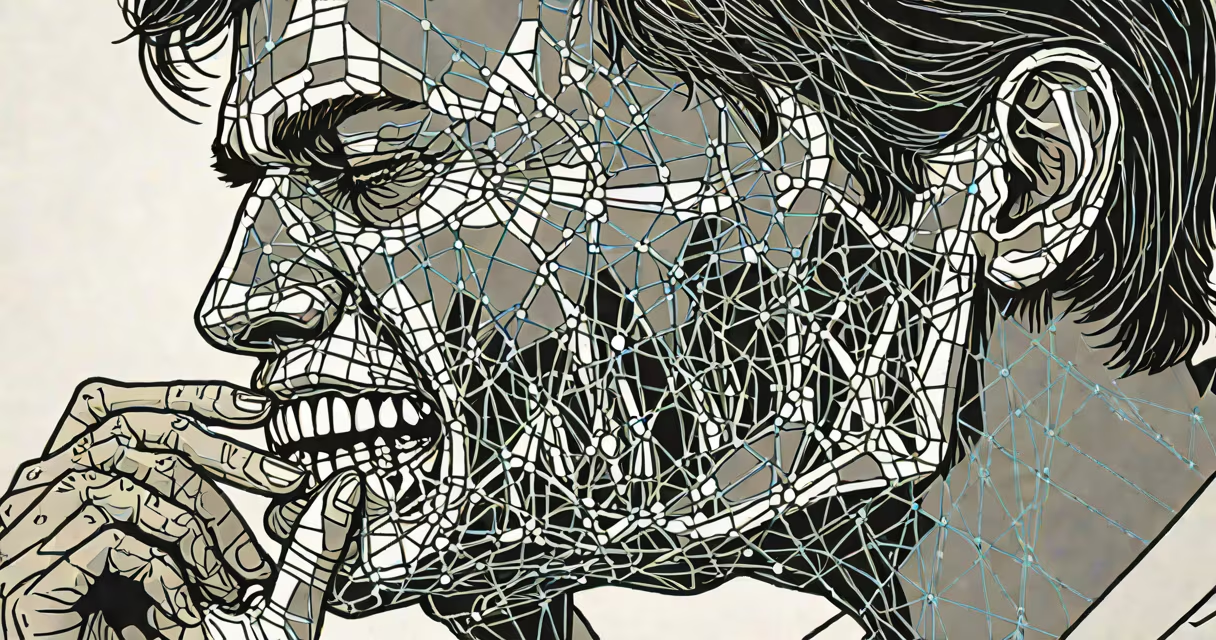
Toothaches intensify at night because lying down increases blood flow to the head, heightens sensitivity to pressure in the tooth's pulp, and reduces external stimuli that normally mask pain. This combination amplifies nerve signals, making discomfort feel sharper and more persistent during sleep.
When you recline, gravity shifts blood toward the upper body. The increased pressure in the vessels around the jaw and teeth can push fluid into the pulp chamber-the soft tissue inside the tooth containing nerves and blood vessels. This swelling compresses the nerves, triggering sharp, throbbing pain. A 2021 study published in The Journal of Clinical Dentistry confirmed that patients reported 30-40% higher pain intensity during nighttime hours compared to daytime, especially when lying flat.
Sound also plays a role. In quiet environments, such as a bedroom at night, your brain focuses more on internal sensations. Without background noise, even mild nerve activity becomes noticeable. This phenomenon, known as auditory masking reduction, makes pain feel louder and more urgent. A 2019 review in Pain Medicine noted that low-noise settings increase perceived pain severity in chronic conditions, including dental pain.
Dental pain doesn't stop when you close your eyes. Instead, several physiological changes during sleep create ideal conditions for pain to escalate. The most significant factor is posture. When upright, blood pools in the lower body. When horizontal, circulation redistributes, increasing pressure in the head and facial tissues.
This shift affects the trigeminal nerve-the primary pathway for facial sensation. As pressure builds in the tooth's root canal system, the nerve sends stronger signals to the brain. These signals are interpreted as intense, localized pain. Over time, this can lead to inflammation and infection spreading through the root canal, worsening the condition.
A real-world example: A patient with an untreated cavity reported waking every 90 minutes between 11 PM and 3 AM with severe pain. After a dentist diagnosed a deep decay reaching the pulp, a root canal procedure eliminated the nighttime episodes. Post-procedure, the patient slept uninterrupted for the first time in six months.
Not all toothaches at night stem from the same issue. Identifying the pattern helps determine the underlying cause.
| Pain Type | Common Cause | Timing Pattern | Relief Clues |
|---|---|---|---|
| Throbbing, constant ache | Infection in the pulp (pulpitis) | Worsens within 15-30 minutes of lying down | Leans forward or sits up; improves slightly |
| Burning or electric-like jolt | Nerve damage or trigeminal neuralgia | Spikes suddenly, often after chewing or cold exposure | May subside with warm compresses or numbing gels |
| Dull, pressure-based pain | Clenching or grinding (bruxism) | Starts after 1-2 hours of sleep; wakes you early | Feels better after morning jaw stretching |
One key distinction often missed: nighttime pain from bruxism (teeth grinding) typically begins after you've been asleep for an hour or more. This differs from pulp infections, which often flare within minutes of lying down. The difference lies in the mechanism-bruxism causes mechanical stress over time, while infection responds rapidly to positional changes.
Many assume that toothaches at night are purely psychological or "all in your head." That's incorrect. While stress can exacerbate pain perception, the physical mechanisms are measurable and consistent. A 2020 study in Oral Surgery, Oral Medicine, Oral Pathology and Oral Radiology found that 78% of patients reporting nighttime tooth pain had objective signs of dental pathology-cavities, abscesses, or cracked teeth-on imaging.
Another myth: "I only feel pain at night because I'm tired." Fatigue may reduce your pain threshold, but it doesn't initiate the pain. The biological triggers-increased intracranial pressure, reduced sensory distraction-are independent of mental state. Even well-rested individuals report similar pain patterns.
One non-obvious fact: The timing of pain can indicate the stage of decay. Early cavities may not hurt at all until they reach the dentin layer. Once the decay breaches the enamel and enters the dentin, cold or pressure triggers pain. But only when lying down does the pain become severe enough to wake you. This delay is due to the cumulative effect of fluid buildup in the pulp.
If you wake up with a toothache, avoid relying solely on over-the-counter painkillers. They mask symptoms but don't address the cause. Instead, try these steps:
I once treated a patient who woke nightly with a dull ache on the left side. After trying multiple remedies, she discovered that her jaw clicked when opening wide. A visit to a dentist revealed a misaligned bite causing uneven pressure. A simple night guard resolved the issue within two weeks. The pain didn't return.
Ignoring nighttime tooth pain risks complications. Untreated infections can spread to the jawbone or bloodstream. According to the American Dental Association, untreated dental infections contribute to 1 in 10 cases of sepsis in adults under 45.
Why do toothaches hurt worse at night? Because the body's position, blood flow, and sensory environment combine to amplify nerve signals. The answer isn't imagination-it's physiology. Addressing the root cause prevents escalation and restores restful sleep.