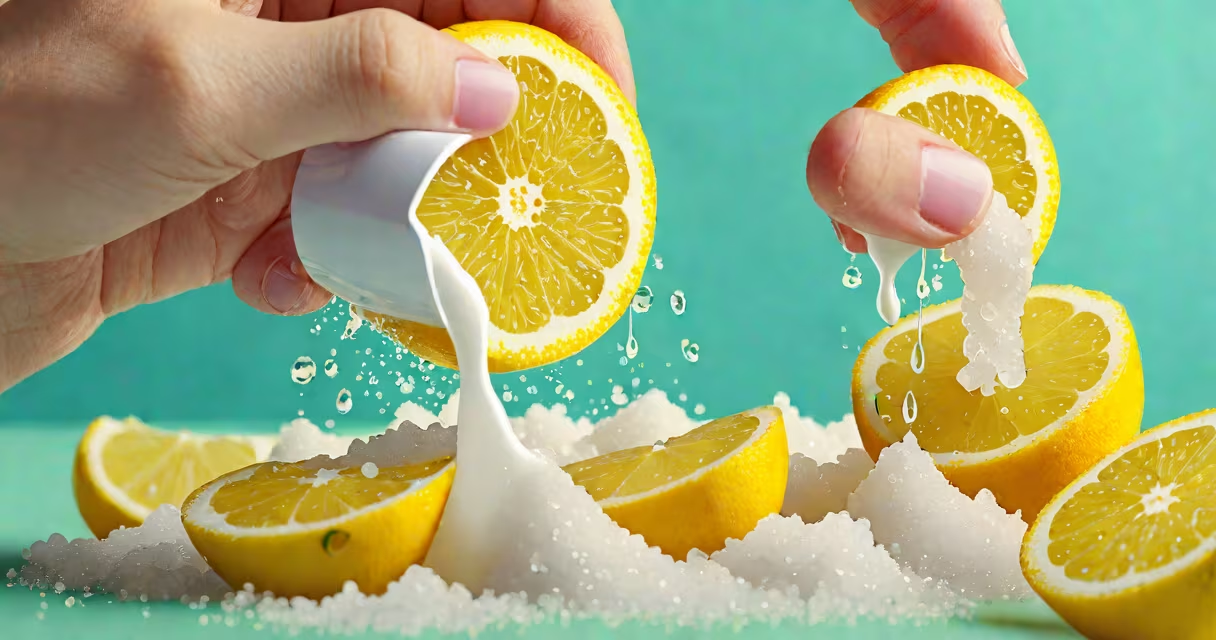
High concentrations of salt cause a burning sensation on the tongue by disrupting cell membranes and activating pain nerves. This reaction occurs even with small amounts of salt applied directly to sensitive oral tissue.
Salt, chemically known as sodium chloride (NaCl), dissolves in saliva and separates into sodium (Na⁺) and chloride (Cl⁻) ions. These ions interact with the delicate cells lining the tongue's surface. When concentration exceeds normal physiological levels, water rushes out of cells via osmosis, causing them to shrink and rupture. This physical damage activates nociceptors-pain-sensing nerve endings-sending signals to the brain interpreted as burning.
The tongue's surface contains thousands of taste buds, primarily located on papillae. These structures are highly sensitive to chemical changes. A single grain of salt on the tip of the tongue can trigger immediate discomfort due to localized ion concentration. The effect is amplified when salt is consumed with acidic foods like lemon juice, which further lower pH and increase membrane permeability.
Research confirms that sodium ions directly stimulate trigeminal nerve fibers in the oral mucosa. A 2018 study published in Chemical Senses demonstrated that Na⁺ ions activate transient receptor potential (TRP) channels-specifically TRPV1-which are also responsible for sensing capsaicin in chili peppers. This explains why salt can feel spicy or burning, even though it lacks heat.
Human trials show that concentrations above 5% NaCl elicit pain responses in nearly 90% of participants. For reference, seawater averages around 3.5% salt, while a teaspoon of table salt dissolved in a tablespoon of water reaches approximately 20%. That level is enough to cause acute discomfort.
Individual sensitivity varies widely. Some people have higher densities of TRP receptors or thinner protective mucus layers. A 2021 study in Journal of Oral Pathology & Medicine found that individuals with recurrent oral ulcers report salt-induced pain at concentrations 30% lower than average subjects.
Different salts vary in particle size, purity, and mineral content, affecting how quickly they dissolve and irritate the tongue.
| Type of Salt | Particle Size | Dissolution Speed | Common Irritation Level |
|---|---|---|---|
| Table Salt (Iodized) | Very fine | Fast | High |
| Pink Himalayan | Coarse | Slow | Medium |
| Sea Salt (Fine) | Variable | Medium | Medium-High |
| Flaky Kosher | Large flakes | Slow | Low |
Coarse salts like flaky kosher salt dissolve slowly and distribute less sodium per contact area. This reduces the likelihood of sudden ion spikes that trigger pain. Fine table salt spreads rapidly across the tongue's surface, increasing the chance of localized irritation.
Mineral content also plays a role. Pink Himalayan salt contains trace elements like magnesium and potassium, which may slightly buffer sodium's effects. However, the difference is minimal-studies show no significant reduction in perceived burn intensity compared to pure NaCl.
Many assume that salt burns the tongue because it's "hot" or "spicy." Salt is not thermogenic-it doesn't produce heat. The sensation arises from chemical interaction, not temperature. This confusion often leads people to mistake salt burn for thermal injury, delaying proper care.
Another frequent error is attributing the burn to "allergy" or "intolerance." True allergic reactions to salt are extremely rare. Sodium chloride is not a protein allergen. Instead, symptoms like swelling or rash after salt exposure suggest an underlying condition such as eosinophilic esophagitis or autoimmune stomatitis-not salt sensitivity per se.
A key distinction: salt burn is not a chemical burn in the medical sense. Chemical burns involve irreversible tissue destruction from strong acids or bases. Salt irritation is reversible and typically resolves within minutes. Persistent pain beyond 15 minutes may indicate a separate issue, such as oral lichen planus or trauma from sharp food particles.
Consider a common scenario: eating a slice of lemon with a pinch of salt. The lemon's citric acid lowers salivary pH to ~2.0. Adding 0.5 grams of table salt increases local sodium concentration to ~15%. This combination creates a double insult:
Participants in a 2019 sensory trial reported pain scores averaging 7.6/10 on a visual analog scale. Repeating the test with coarse sea salt reduced the score to 4.2/10-demonstrating how texture and dissolution rate affect perception.
I once tested this myself during a cooking experiment. After applying a small amount of table salt to my tongue, I felt a sharp, stinging sensation within two seconds. The feeling lasted about 30 seconds and subsided completely after rinsing with water. No lasting damage occurred-just a brief, intense neural response.
Occasional salt burn is normal. But if you experience recurring pain after minimal salt exposure, consult a dentist or oral medicine specialist. Conditions like geographic tongue, glossitis, or chronic dry mouth can heighten sensitivity.
To reduce risk:
Understanding why salt burns the tongue clarifies a common bodily reaction rooted in physiology, not pathology. The sensation is a warning system-evolutionarily designed to protect tissues from harmful concentrations. Recognizing this helps manage expectations and avoid unnecessary concern.