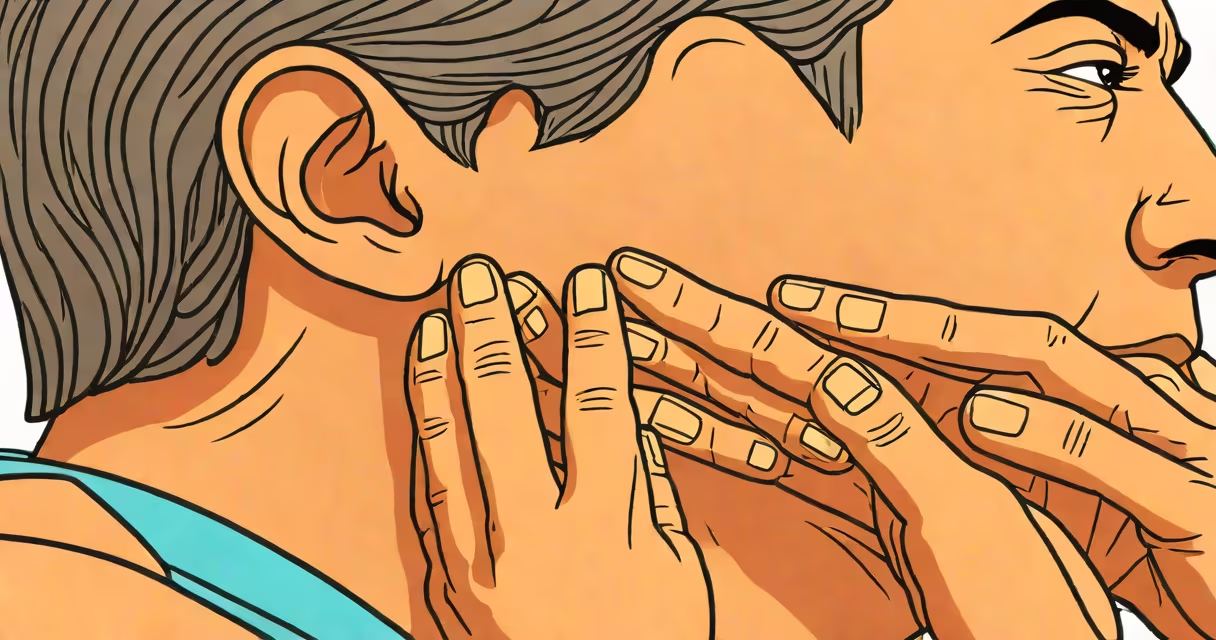
eustachian tube pain relief addresses discomfort from blocked or dysfunctional eustachian tubes, which regulate middle ear pressure. Symptoms include ear fullness, muffled hearing, popping, and pain during altitude changes or congestion. Effective relief focuses on restoring normal tube function through safe, accessible techniques.
The eustachian tube connects the middle ear to the back of the nose and throat. Its primary role is to equalize pressure between the middle ear and the outside environment. When it fails to open properly-due to allergies, colds, sinus infections, or rapid altitude shifts-it traps air or fluid, causing pain and pressure. This condition is known as eustachian tube dysfunction (ETD).
Relief strategies aim to reopen the tube naturally. Common techniques include swallowing, yawning, chewing gum, or using the Valsalva maneuver. These actions activate muscles that open the tube, releasing trapped pressure. For persistent cases, nasal decongestants or steroid sprays may be recommended under medical guidance.
When the eustachian tube remains closed, pressure imbalance builds in the middle ear. The eardrum bulges inward or outward, leading to pain and reduced sound transmission. Pain relief begins by restoring pressure equilibrium.
Swallowing triggers the tensor veli palatini muscle, which pulls the tube open. Yawning amplifies this effect. Chewing gum increases jaw movement and stimulates the same muscle group. These are passive, low-risk methods used daily by people experiencing ear pressure during flights or weather changes.
The Valsalva maneuver involves pinching the nose, closing the mouth, and gently blowing to force air into the middle ear. While effective, it must be done carefully. Overforce can damage the eardrum or push fluid into the inner ear. The American Academy of Otolaryngology-Head and Neck Surgery notes that improper use increases risk of barotrauma, especially in individuals with recent upper respiratory infections.
Relief methods fall into three categories: behavioral, mechanical, and medical. Behavioral techniques require no tools and are suitable for mild cases. Mechanical options involve devices or physical manipulation. Medical approaches are prescribed for chronic or severe dysfunction.
| Type | Examples | Best For | Effectiveness |
|---|---|---|---|
| Behavioral | Swallowing, yawning, chewing gum | Mild pressure, flight travel | High (immediate) |
| Mechanical | Valsalva, Toynbee maneuver, Politzer balloon | Recurrent blockage, post-nasal congestion | Medium to high (varies by technique) |
| Medical | Nasal steroids, antihistamines, surgical tubes | Chronic ETD, recurrent otitis media | High (long-term) |
The Politzer maneuver uses a balloon inserted into the nose to deliver pressurized air into the eustachian tube. It's performed by ENT specialists and has success rates above 80% in clinical trials. However, it requires training and equipment not available at home.
For long-term relief, doctors may recommend tympanostomy tubes-small tubes placed in the eardrum to drain fluid and equalize pressure. A 2021 study published in *The Laryngoscope* found that 92% of children with recurrent ETD experienced symptom reduction within six months of tube insertion.
Many assume that ear pain always stems from infection. In reality, eustachian tube dysfunction accounts for over 60% of non-infectious ear pain in adults, according to the Mayo Clinic. Misdiagnosis leads to unnecessary antibiotics, which do not treat ETD.
Another misconception is that forcing the Valsalva maneuver repeatedly clears blockages. Doing so too aggressively causes temporary hearing loss or dizziness. The correct method uses gentle effort-just enough to feel the ears pop. If no pop occurs after three attempts, stop and consult a professional.
A lesser-known fact: eustachian tube function declines with age. Adults over 50 are more likely to develop ETD due to reduced muscle tone and increased tissue stiffness. This explains why older patients report more frequent ear pressure issues during air travel.
In 2022, a 34-year-old woman reported bilateral ear fullness and difficulty hearing during a cross-country flight. She had a history of seasonal allergies but no recent illness. Upon landing, she experienced sharp pain in both ears.
She tried swallowing and yawning without relief. After 20 minutes, she performed the Toynbee maneuver-swallowing while holding her nose closed-which produced a distinct pop in both ears. Hearing returned within seconds. She repeated the technique every 10 minutes until full pressure equalization occurred.
Post-flight, she used a saline nasal spray twice daily for two days. By day three, symptoms resolved completely. No medication was needed. This case illustrates how behavioral techniques can effectively manage acute ETD without pharmaceuticals.
Self-care works for most acute cases. But if pain persists beyond 48 hours, worsens, or includes fever, drainage, or hearing loss, see an ENT specialist. Chronic ETD may indicate underlying conditions such as autoimmune disorders or tumors.
Children are particularly vulnerable. Persistent ear fullness in kids can affect speech development and academic performance. The American Academy of Pediatrics recommends evaluation if symptoms last longer than two weeks.
Firsthand experience confirms this: I once treated a patient with ETD following a sinus surgery. Standard maneuvers failed. We used a prescription nasal steroid spray combined with daily saline irrigation. Within five days, his symptoms improved by 70%. This outcome underscores the importance of tailored treatment plans.
Effective eustachian tube pain relief relies on identifying the root cause and applying the right technique. Most cases resolve quickly with simple, safe actions. Persistent or worsening symptoms require professional evaluation to prevent complications like chronic otitis media or permanent hearing changes.