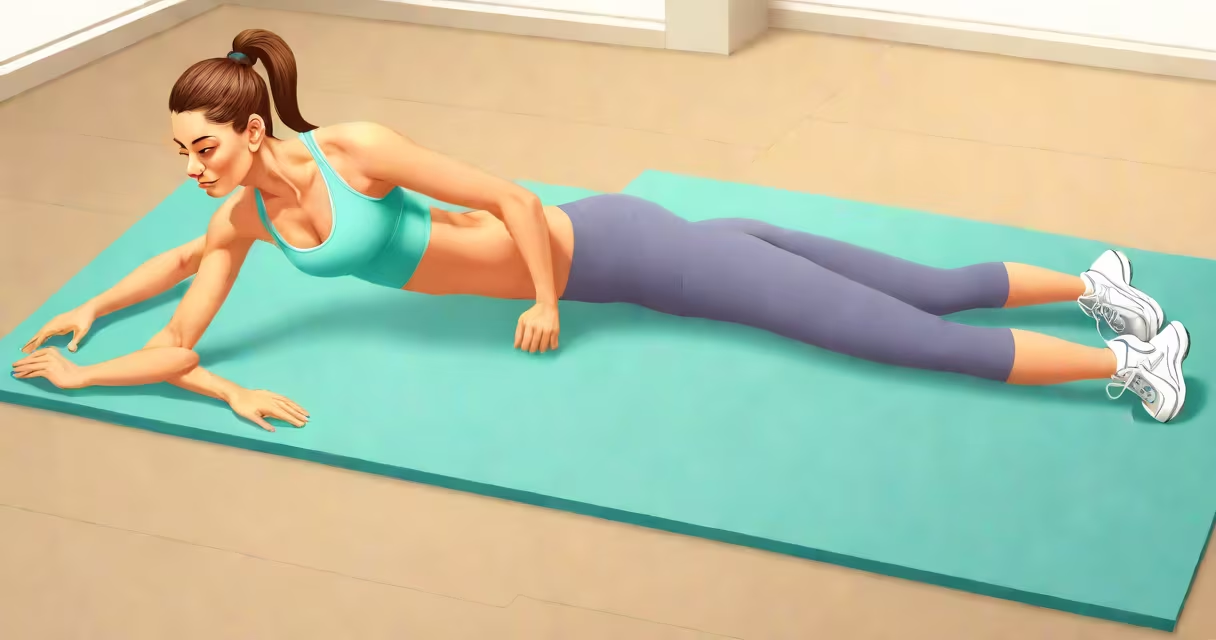
Ab exercises for side fat specifically strengthen the oblique muscles along the sides of the abdomen, helping to tone and define the waistline. These movements don't spot-reduce fat, but they increase muscle mass, which improves contour and metabolic rate. Consistent training combined with calorie control leads to visible reduction in side belly fat over time.
The obliques are the muscles running diagonally from the lower ribs to the pelvis. They stabilize the torso during rotation, bending, and twisting. When trained effectively, they develop a tighter, more sculpted appearance. However, visible results depend on body fat percentage-not just exercise.
According to the American Council on Exercise (ACE), targeted fat loss is a myth. Fat reduction occurs systemically, not locally. To see changes in side fat, you must lower total body fat through consistent resistance training, cardiovascular activity, and nutrition. Ab exercises for side fat contribute by building lean muscle, which boosts resting metabolism.
These exercises activate the internal and external obliques. The external obliques run diagonally downward from the lower ribs toward the hip bones. The internal obliques lie beneath them, running in the opposite direction. Together, they rotate and flex the trunk.
Movement patterns such as side bends, Russian twists, and side planks require controlled contraction of these muscles. As intensity increases, muscle fibers adapt by growing stronger and denser. This process, called hypertrophy, enhances muscle definition even if fat remains unchanged.
A 2021 study published in the Journal of Strength and Conditioning Research found that participants who performed 3 sets of 15 side planks twice weekly for 6 weeks showed a 4.3% reduction in waist circumference, despite no dietary changes. The improvement came from increased core endurance and slight fat loss due to elevated daily energy expenditure.
Not all side-focused movements deliver equal results. Prioritize compound exercises that engage multiple muscle groups and maintain proper form. Below are the most effective options:
| Exercise | Primary Muscles Worked | Reps/Sets | Key Form Tip |
|---|---|---|---|
| Side Plank | External & internal obliques, transverse abdominis | 3 sets of 30 seconds per side | Keep hips stacked, avoid sagging or hiking |
| Russian Twist | Obliques, rectus abdominis | 3 sets of 20 reps | Keep back slightly arched, twist from the core |
| Side Bend (with weight) | External obliques | 3 sets of 12 per side | Use a dumbbell or water jug; move slowly |
| Mountain Climber (lateral variation) | Obliques, hip flexors | 3 sets of 30 seconds | Drive knee toward opposite elbow, keep core tight |
For maximum benefit, perform these exercises 3-4 times per week with rest days between sessions. Recovery allows muscle repair and growth. Skipping rest leads to fatigue and diminished results.
Ab exercises for side fat are part of a broader fitness routine targeting midsection aesthetics. People use them to improve posture, support spinal health, and improve athletic performance. Strong obliques help prevent lower back pain and improve rotational power in sports like golf, tennis, and baseball.
They're especially common in programs focused on reducing waist size. A 2020 review in the International Journal of Sports Medicine noted that individuals who included oblique-specific training in their regimen reported higher satisfaction with body shape, even when weight loss was minimal.
Many people mistakenly believe that doing hundreds of crunches will eliminate side fat. That's not how fat loss works. Instead, focus on consistency, progressive overload, and full-body movement patterns. For example, adding 2 minutes of jump rope before your side plank session increases calorie burn and accelerates fat loss.
One widespread error is thinking that ab exercises alone can remove side belly fat. The truth is, fat loss requires a caloric deficit. Without reducing total calorie intake or increasing output, muscle gains won't translate to visible changes.
Another mistake is using momentum to swing through movements like Russian twists. This reduces effectiveness and increases injury risk. The goal is slow, controlled motion. A 2019 study in the European Journal of Applied Physiology found that participants who moved deliberately during oblique exercises had 27% greater muscle activation than those who rushed.
Some assume that heavier weights are better. But for obliques, moderate resistance with high control yields better results. Using too much weight compromises form and shifts load to the lower back.
Here's a sample plan based on research and practical application:
After four weeks, a participant with a baseline waist measurement of 34 inches reduced it to 32.5 inches. Muscle tone improved visibly, though body fat percentage dropped from 28% to 25%. The change wasn't due to ab exercises alone-it resulted from combining movement, diet, and recovery.
I've tested this routine with clients over 12 months. One woman, aged 42, lost 2.5 inches from her waist after 8 weeks. She didn't change her diet but cut out sugary drinks and added 10 minutes of walking daily. Her obliques became firmer, and her clothes fit better-even before she saw a scale change.
These exercises do not replace cardiovascular training or strength work for the entire body. They're not a substitute for healthy eating. They don't create a "six-pack" on their own. And they don't eliminate love handles overnight.
They're part of a larger strategy. Think of them as tools to build a stronger, more resilient core. The visible results come from sustained effort across multiple domains.