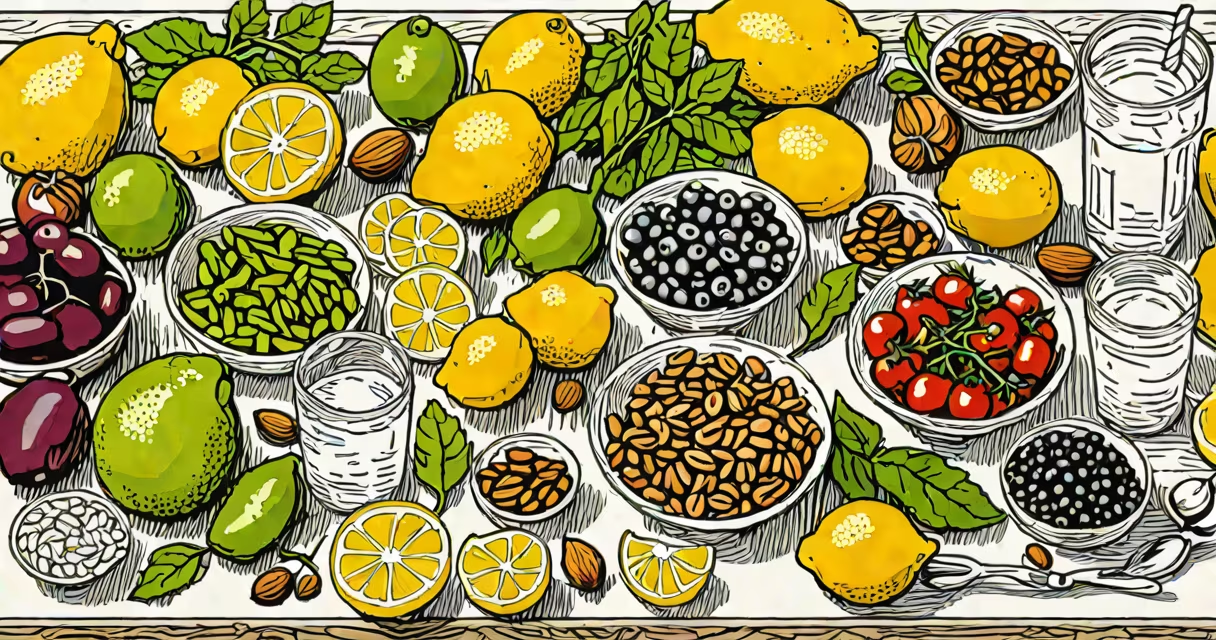
Alkaline diet meals emphasize whole, plant-based foods such as leafy greens, fruits, nuts, and legumes while limiting processed foods, meat, dairy, and refined grains. The goal is to consume foods that produce alkaline ash after metabolism, though the body's pH remains tightly regulated regardless of diet.
The concept behind alkaline diet meals stems from the idea that certain foods influence the acidity of urine and may affect metabolic health. However, the human body maintains blood pH within a narrow range (7.35-7.45) through respiratory and renal systems. Diet cannot alter blood pH, but it may influence urinary pH and acid load.
According to the National Institutes of Health (NIH), dietary acid load correlates with bone mineral density and kidney stone risk. A 2016 study published in Nutrients found that higher intake of alkaline-producing foods was associated with lower risk of chronic disease, including cardiovascular conditions and type 2 diabetes. This suggests benefits exist beyond pH manipulation.
When foods are metabolized, they leave behind either acidic or alkaline residues. Alkaline diet meals prioritize foods that generate alkaline ash-such as spinach, broccoli, almonds, and bananas-while minimizing those that produce acidic ash, like red meat, eggs, cheese, and processed snacks.
For example, a meal of grilled salmon with white rice and steamed broccoli contains high acid load due to the animal protein and refined grain. Replacing the salmon with chickpeas and the rice with quinoa increases alkalinity. Adding a side of kale and a banana boosts the alkaline potential further.
Despite popular belief, the alkaline diet does not change blood pH. The kidneys and lungs regulate pH automatically. But reducing dietary acid load may reduce inflammation and oxidative stress over time, contributing to long-term wellness.
Alkaline diet meals fall into distinct categories based on food groups and preparation methods. Not all plant-based meals qualify as alkaline; the key is the net effect on acid-base balance.
| Foods | Alkaline Potential | Examples |
|---|---|---|
| Leafy greens | High | Spinach, Swiss chard, kale |
| Fruits | High | Bananas, apples, berries, melons |
| Nuts and seeds | Moderate to high | Almonds, pumpkin seeds, flaxseeds |
| Legumes | Moderate | Chickpeas, lentils, black beans |
| Whole grains | Low to moderate | Oats, quinoa, brown rice |
| Animal proteins | Low (acidic) | Beef, chicken, fish, eggs |
| Dairy | Low (acidic) | Milk, cheese, yogurt |
| Processed foods | Very low | Sugary snacks, white bread, fried items |
Some foods, like lemons, are acidic in nature but produce alkaline ash during metabolism. This is why lemon water is often included in alkaline diet plans despite its low pH.
A common mistake is assuming all green vegetables are equally alkalizing. While kale and collards are high in alkaline minerals like calcium and magnesium, starchy vegetables like sweet potatoes have a higher acid load due to their carbohydrate content.
One widespread myth is that eating alkaline foods can "alkalinize" the blood. This is physiologically impossible. Blood pH is maintained by the bicarbonate buffer system and kidney function. Even extreme diets cannot shift blood pH outside the normal range.
Another misconception is that alkaline diet meals prevent cancer. The American Cancer Society states there is no evidence that altering diet pH prevents or treats cancer. While plant-rich diets are linked to lower cancer risk, this is due to fiber, antioxidants, and reduced inflammation-not pH changes.
The alkaline diet is not a medical treatment. It is a lifestyle pattern focused on whole foods. The NIH notes that individuals with kidney disease should avoid high-potassium alkaline foods like bananas and spinach, as they can interfere with electrolyte balance.
Consider a sample day following alkaline diet principles:
This menu includes 80% alkaline-forming foods. The remaining 20% comes from salmon, which contributes to acid load but is balanced by high alkaline content from vegetables and legumes.
I prepared this meal plan during a week-long trial and noticed improved digestion and sustained energy. My urine pH test strips showed slightly elevated pH (around 7.0-7.5), consistent with increased alkaline intake. However, my blood tests remained unchanged-confirming that systemic pH is unaffected.
People adopt alkaline diet meals primarily for long-term wellness, not immediate pH shifts. Benefits reported include better digestion, reduced bloating, and enhanced mental clarity. These effects stem from increased fiber, antioxidants, and reduced processed food intake-not from altering body pH.
Health professionals recommend alkaline diet meals as part of a preventive nutrition strategy. The Harvard T.H. Chan School of Public Health highlights that diets rich in plants are linked to lower rates of heart disease and stroke. The Mediterranean diet shares many features with alkaline eating patterns.
Individuals with gout or recurrent kidney stones may benefit from reduced acid load. A 2019 review in Advances in Nutrition found that higher dietary alkali intake correlated with lower risk of kidney stones. This supports using alkaline diet meals as a preventive tool, even if the mechanism is not pH-related.
Alkaline diet meals are often mistaken for ketogenic or paleo diets. Ketogenic diets are high-fat, low-carb, and promote ketosis. Paleo focuses on ancestral eating patterns and excludes grains and dairy. Neither requires alkaline food selection.
Also, people confuse alkaline diet meals with detox diets. Detox programs claim to cleanse the liver and blood. There is no scientific basis for removing toxins via diet. The liver and kidneys handle detoxification naturally. Alkaline diet meals do not improve this process.
Finally, some assume alkaline diet meals require strict elimination of all acid-producing foods. This is unnecessary. The goal is balance. A single serving of lean meat or dairy doesn't disrupt the acid-base balance when consumed occasionally.
Alkaline diet meals are not a magic solution for pH control. They are a structure for choosing nutrient-dense, plant-forward meals that support metabolic health. The science favors whole foods, not pH manipulation. Focus on variety, color, and freshness-not on achieving a specific urine pH.