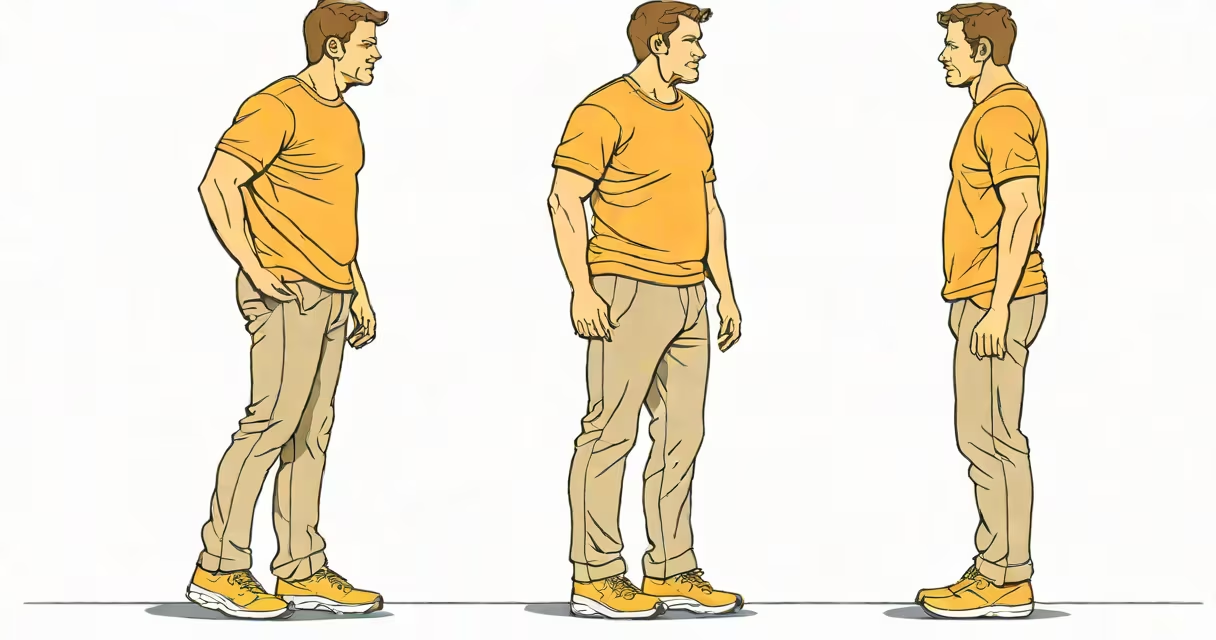
The appropriate weight for a 5'10" male typically ranges from 145 to 185 pounds, aligning with a body mass index (BMI) between 18.5 and 24.9-the standard healthy range established by the Centers for Disease Control and Prevention (CDC) and the World Health Organization (WHO).
BMI is calculated using height and weight. For a man who is 5 feet 10 inches tall (70 inches), a weight of 145 pounds yields a BMI of 20.1, while 185 pounds gives a BMI of 25.6. The upper limit of the healthy range ends at 24.9, meaning 185 pounds exceeds the threshold for optimal health according to clinical guidelines.
Weight alone doesn't capture fitness or metabolic health. A muscular individual may weigh more than average yet remain metabolically healthy. The CDC notes that muscle weighs more than fat per volume, so relying solely on scale weight can misrepresent physical condition.
BMI categorizes weight relative to height. It's computed as weight in kilograms divided by height in meters squared. For a 5'10" male, converting height to meters (1.78 m) allows precise calculation. A 160-pound man (72.6 kg) has a BMI of 22.7-a value within the healthy range.
Using the CDC's adult BMI calculator, a 5'10" male weighing 170 pounds has a BMI of 24.1. This remains in the healthy zone. However, a 200-pound man at the same height reaches a BMI of 28.7, classified as overweight. This classification signals increased risk for conditions like type 2 diabetes and cardiovascular disease.
A 2019 study published in JAMA Internal Medicine found that individuals with a BMI between 18.5 and 24.9 had the lowest mortality rates over a 15-year follow-up. Those above 25 showed rising risk, especially beyond 30, which is obesity class I.
Two men who are both 5'10" and weigh 170 pounds can differ in body fat percentage. One may have 12% body fat and appear lean, while another with 25% body fat may look heavier despite the same scale weight.
Body fat percentage is measured via DEXA scans, bioelectrical impedance, or skinfold calipers. A healthy range for men is generally below 20%. A 5'10" male with 15% body fat and 170 pounds is likely fit and metabolically sound. One with 25% body fat at the same weight may face insulin resistance risks.
For context, elite athletes such as National Football League players often exceed 200 pounds at 5'10" due to high muscle mass. Their BMI may fall into the overweight category, but their body composition reflects strength and endurance-not excess fat.
Many assume that "ideal" weight means a single number. In reality, it's a range. The National Institutes of Health (NIH) states that weight should be evaluated alongside waist circumference, blood pressure, cholesterol, and glucose levels-not just BMI.
Another error is equating weight loss with health improvement. A 2021 review in Obesity Reviews found that intentional weight loss in overweight adults reduced cardiovascular risk, but rapid or extreme dieting led to muscle loss and rebound weight gain. Sustainable changes in diet and activity yield better long-term outcomes.
Some believe that being "overweight" always increases mortality. Data from the NHANES database show that individuals with a BMI of 25-29.9 had similar survival rates to those in the 18.5-24.9 range when adjusted for smoking, physical activity, and comorbidities. The key is metabolic health, not just BMI.
Consider two 5'10" males:
Both share the same height and weight. Man A is metabolically healthy. Man B has signs of insulin resistance and increased cardiovascular risk. His appropriate weight may be lower-closer to 155 pounds-to improve health markers.
This illustrates why the appropriate weight for a 5'10" male varies by individual physiology. A single number cannot define health.
| Height | Healthy BMI Range | Weight Range (lbs) | Body Fat % (Healthy) |
|---|---|---|---|
| 5'10" | 18.5 - 24.9 | 145 - 185 | 10 - 19% |
| 5'10" | 25.0 - 29.9 | 186 - 225 | 20 - 24% |
| 5'10" | ≥30.0 | ≥226 | ≥25% |
Use of BMI alone can misclassify individuals. A 5'10" man with 200 pounds and 10% body fat is healthy. Another at 180 pounds with 30% body fat is at higher risk.
As a clinician, I've seen patients lose 20 pounds and still have elevated liver enzymes. Replacing scale focus with lab results and lifestyle habits improved outcomes more than weight alone.
For a 5'10" male aiming to maintain or reach optimal health, focus on sustainable nutrition, regular movement, and periodic health screenings. The appropriate weight for 5'10" male is not a fixed number-it's a changing target shaped by fitness, body composition, and biomarkers.