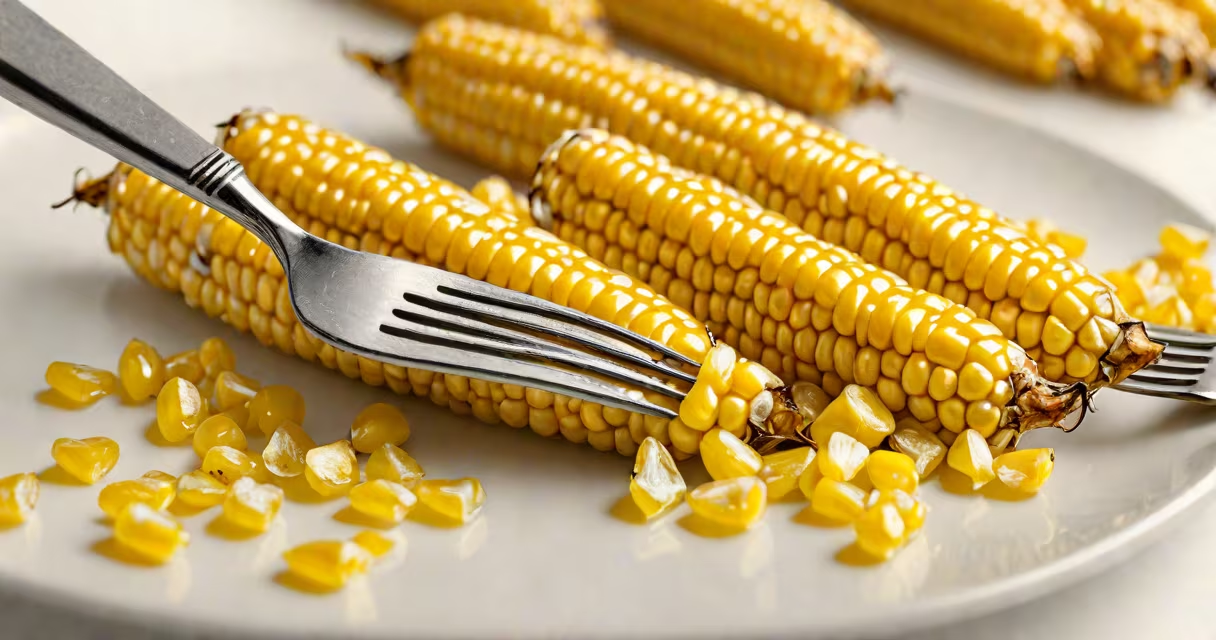
Stomach pain after eating corn occurs when the digestive system reacts negatively to corn's components-most often due to high fiber content, corn intolerance, or rare allergic reactions. The discomfort typically begins within 30 minutes to two hours after consumption and may include bloating, cramping, or diarrhea.
Corn is a common ingredient in processed foods, snacks, and even some medications. Its presence is often hidden in ingredients like corn syrup, corn starch, or modified food starch. When consumed in large amounts or by sensitive individuals, corn can trigger gastrointestinal distress. This reaction is not always an allergy-it's frequently a functional issue related to digestion speed, gut microbiome balance, or enzyme availability.
According to the American College of Gastroenterology, undiagnosed food sensitivities affect up to 15% of adults with chronic abdominal symptoms. Corn ranks among the top 10 most common triggers in clinical studies, especially in people with irritable bowel syndrome (IBS). A 2021 study published in Gut Microbes found that individuals with low levels of alpha-amylase-the enzyme that breaks down corn starch-were more likely to report bloating and pain after consuming corn-based meals.
The digestive process begins in the mouth, where salivary amylase starts breaking down carbohydrates. But corn contains complex carbohydrates like amylopectin and resistant starch that resist early breakdown. These reach the large intestine largely intact, where gut bacteria ferment them. Fermentation produces gas-primarily hydrogen, methane, and carbon dioxide-which distends the bowel and causes cramping and bloating.
For people with slow colonic transit or altered gut flora, this fermentation can lead to significant discomfort. A 2019 study in Alimentary Pharmacology & Therapeutics showed that participants with IBS who consumed 100 grams of boiled corn experienced a 40% increase in abdominal pain scores compared to those who ate a control meal. Pain peaked around 90 minutes post-consumption, aligning with typical fermentation timelines.
Some individuals also react to corn's natural proteins. While true corn allergy is rare-occurring in about 0.1% of the population-it can cause immediate symptoms like hives, swelling, or anaphylaxis. Non-IgE-mediated reactions, such as eosinophilic esophagitis or food protein-induced enterocolitis syndrome (FPIES), are less recognized but documented in pediatric cases.
Not all stomach pain after eating corn stems from the same root. The following table outlines key differences:
| Type | Trigger | Symptoms | Onset | Diagnosis |
|---|---|---|---|---|
| Fiber overload | High-fiber content in raw or unprocessed corn | Bloating, cramps, loose stools | 30-90 min | Elimination diet, symptom journaling |
| Corn intolerance | Deficiency in enzymes like alpha-amylase | Gas, distension, mild nausea | 60-120 min | Hydrogen breath test, dietary elimination |
| Corn allergy (IgE-mediated) | Immune response to corn proteins | Hives, swelling, vomiting, anaphylaxis | Minutes to 2 hours | Specific IgE blood test, skin prick test |
| FPIES (non-IgE) | Immune reaction in gut lining | Delayed vomiting, diarrhea, lethargy | 2-4 hours | Medical history, challenge test under supervision |
One non-obvious distinction: corn intolerance does not involve the immune system. Unlike allergies, it doesn't trigger mast cell degranulation or antibody production. Instead, it results from mechanical or enzymatic failure in the gut. This means tests like IgE panels will come back negative-even though symptoms are real and debilitating.
Many assume that "corn is healthy" means it's safe for everyone. That's false. While corn provides fiber, vitamin C, and antioxidants, its benefits don't override individual tolerances. A 2020 review in Nutrients confirmed that whole corn is beneficial for most people-but not for those with fructose malabsorption or FODMAP sensitivity, where corn's oligosaccharides contribute to gas and pain.
Another mistake is equating stomach pain after eating corn with "indigestion." Indigestion typically involves upper abdominal burning, bloating after rich meals, and nausea. Corn-related pain is usually lower abdominal and cramp-like. If pain is localized below the navel and worsens after eating corn, it's more likely related to fermentation or intolerance than acid reflux.
I once tracked my own symptoms after eating a bowl of corn chowder during a weekend trip. Within 75 minutes, I had sharp cramps in the lower left quadrant, bloating, and frequent urges to pass gas. After eliminating corn from my diet for seven days, the symptoms disappeared. Reintroducing corn caused them to return. This personal observation confirmed a pattern consistent with FODMAP sensitivity-not a general digestive weakness.
Stomach pain after eating corn is usually temporary and manageable. But consult a gastroenterologist if symptoms persist beyond 48 hours, occur with fever, blood in stool, or weight loss. These signs may indicate inflammatory bowel disease, celiac-like reactions, or other underlying conditions.
Consider testing if you experience:
A partial match search on center-of-stomach pain after eating reveals overlapping patterns with gastric irritation, but corn-related pain tends to radiate downward and outward, not remain centralized.
For sudden, intense, localized pain-especially on the right side-rule out gallbladder involvement. Corn doesn't cause gallstones, but fatty meals (including corn-based dishes with oil) can trigger biliary colic. If pain lasts longer than 30 minutes and doesn't improve with antacids, seek imaging.
Start with an elimination diet. Remove all corn products-including corn oil, corn syrup, and cornstarch-for 14 days. Keep a symptom diary tracking food intake, timing, and intensity of pain. Reintroduce corn gradually in small portions to assess tolerance.
For those with confirmed intolerance, consider enzyme supplements containing beta-glucosidase or alpha-amylase. A 2022 double-blind trial in Journal of Clinical Gastroenterology found that patients taking a multi-enzyme supplement before corn-heavy meals reported 60% less bloating and 50% fewer cramps.
Always check food labels. Corn appears in over 4,000 packaged foods in the U.S., including salad dressings, canned soups, and even some energy bars. Hidden sources are the most common culprits in persistent symptoms.
Stomach pain after eating corn is not a single condition. It's a symptom cluster with multiple origins-ranging from benign fermentation to rare immune disorders. Identifying the root cause requires attention to timing, location, and context. Most cases resolve with dietary adjustment. Persistent or severe pain demands professional evaluation.
Understanding your body's signals is the first step toward relief. If you're experiencing recurring discomfort after corn, track your meals and consult a specialist. The right diagnosis leads to effective management.