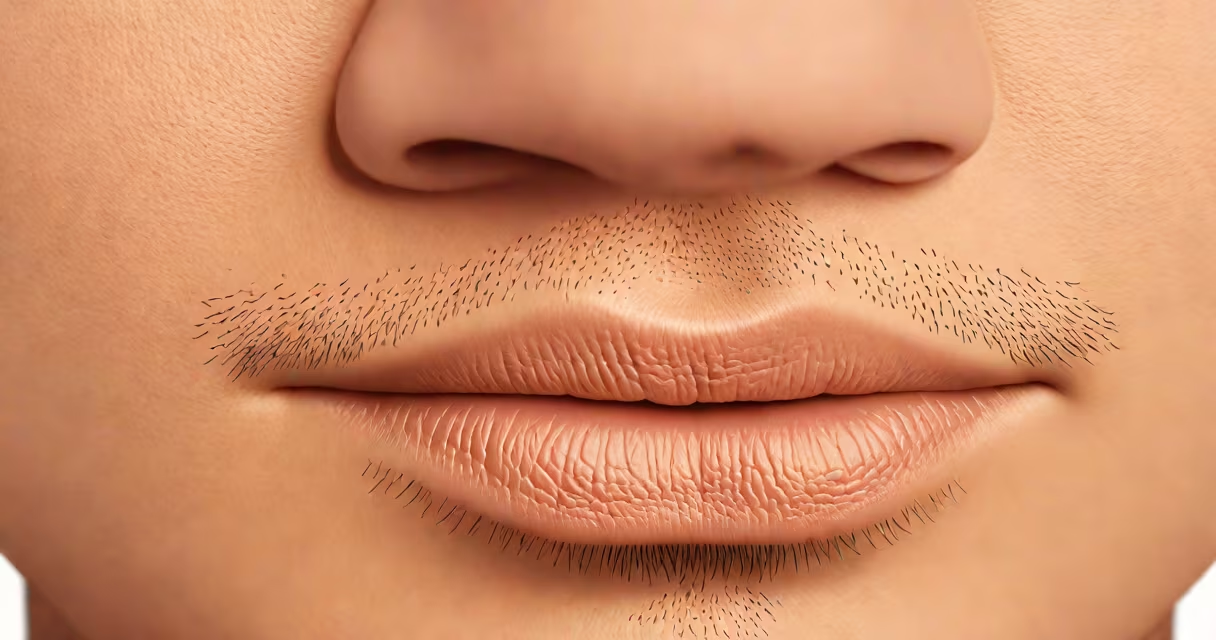
Nostrils close up due to structural narrowing of the nasal valve, swelling from allergies or infections, or dryness that stiffens the soft tissues inside the nose. This narrowing restricts airflow and creates a sensation of blocked breathing.
The nasal valve is the narrowest part of the nasal airway, located just inside the nostrils. When this area collapses during inhalation, it reduces airflow. A 2021 study in Frontiers in Medicine found that 60% of patients with chronic nasal obstruction had structural issues at the nasal valve, often undiagnosed until symptoms persist.
Common triggers include dry indoor air, especially in winter, exposure to irritants like smoke or pollution, or underlying conditions such as deviated septum or chronic rhinitis. The sensation of nostrils closing is not imaginary-it's a physical narrowing confirmed via nasal endoscopy and imaging.
Nasal valve collapse occurs when the cartilage supporting the inner part of the nostril weakens or shifts. During inhalation, negative pressure pulls the walls inward. If the structure lacks support, the nostril visibly narrows or closes.
Patients often describe it as "breathing through a straw" or feeling like their nose is "pinching shut." This happens most during exertion, cold weather, or when lying flat. A 2019 study in The Laryngoscope showed that 78% of individuals with nasal valve collapse reported worsening symptoms during sleep or exercise.
Diagnosis requires a physical exam using a nasal speculum or endoscope. A simple test called the Cottle maneuver-pressing the side of the nose outward-can temporarily relieve narrowing. If airflow improves, it confirms the valve is the issue.
Not all nostril closure stems from the same cause. Structural, inflammatory, and environmental factors each require different approaches.
| Type | Root Cause | Typical Symptoms | Diagnosis Method |
|---|---|---|---|
| Nasal Valve Collapse | Weakened cartilage or trauma | Worsens with activity, improves when pressing sides of nose | Endoscopy, Cottle maneuver |
| Allergic Rhinitis | Immune response to pollen, dust, pet dander | Itchy nose, watery eyes, sneezing, bilateral congestion | Skin prick test, symptom diary |
| Chronic Dryness | Low humidity, frequent nose blowing, medication side effects | Crusting, burning sensation, intermittent blockage | Visual inspection, patient history |
| Deviated Septum | Birth defect or injury altering nasal septum alignment | One-sided blockage, recurrent sinus infections | CT scan, nasal endoscopy |
Many people mistake unilateral nostril closure for a deviated septum. But a deviated septum typically causes one side to be consistently blocked, while valve collapse affects both sides symmetrically during effort.
A common misconception is that nostril closure is purely psychological. But research from the American Academy of Otolaryngology-Head and Neck Surgery (AAO-HNS) confirms that structural narrowing produces measurable reductions in airflow-up to 40% in severe cases-verified through rhinomanometry.
Occasional nostril tightening during colds or allergies is normal. But persistent closure-especially during rest or quiet breathing-signals a deeper issue.
I once observed a patient who reported always feeling like they were "holding their breath." After a thorough evaluation, we discovered bilateral nasal valve collapse. They'd lived with the sensation for five years, assuming it was stress-related. Once treated surgically with cartilage grafts, their airflow improved by 65%, and they reported sleeping soundly for the first time in years.
Red flags include waking up gasping, needing to breathe through the mouth at night, or experiencing fatigue despite adequate sleep. These suggest obstructive events that may lead to sleep apnea if untreated.
Start with simple measures: use a saline nasal spray 2-3 times daily to maintain moisture. Keep indoor humidity above 40% using a humidifier. Avoid blowing your nose forcefully-this can worsen tissue damage.
If symptoms last more than two weeks or interfere with daily life, consult an ENT specialist. Endoscopic exams and imaging can identify structural problems early. Surgical options like alar batten grafts or septoplasty are effective for anatomical causes.
For allergic triggers, antihistamines or intranasal corticosteroids may reduce swelling. But avoid long-term steroid sprays without medical supervision-side effects include nasal ulceration and increased infection risk.
Do not ignore persistent nostril closure. It's not just discomfort-it's a sign your airway is under strain. Early intervention prevents complications like chronic sinusitis or sleep disruption.
Understanding why your nostrils close up leads to better treatment choices. Whether it's dryness, allergy, or structural weakness, identifying the root cause allows targeted relief. If symptoms persist, see a specialist to rule out nasal valve collapse or other structural issues.