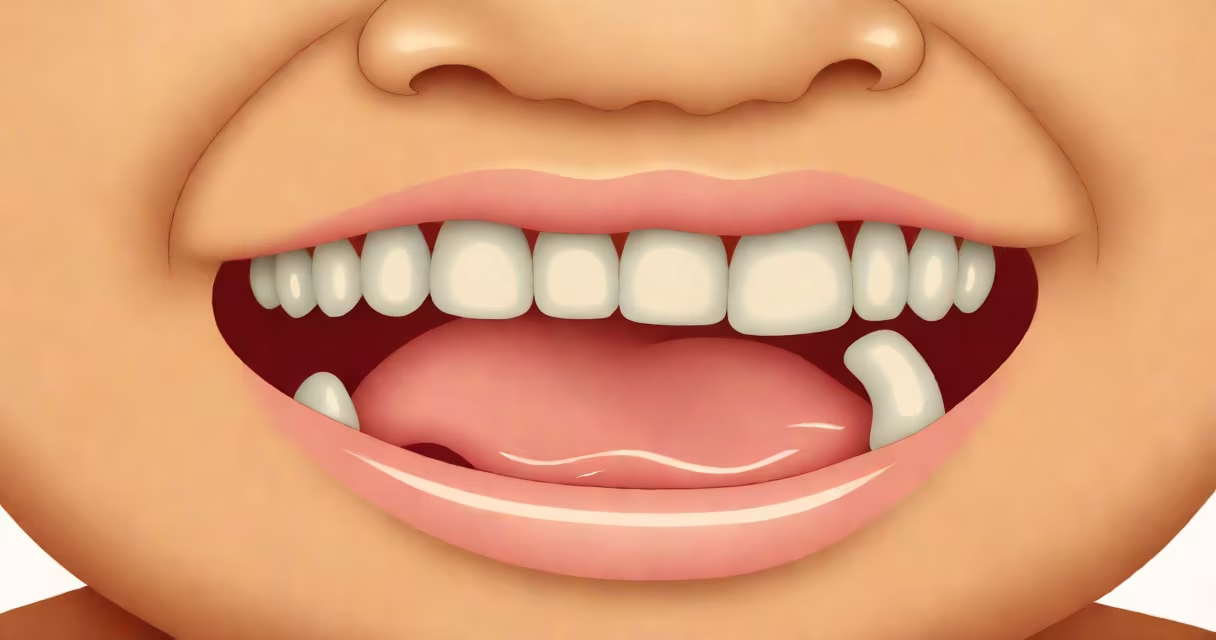
Bad breath while teething is a temporary condition caused by increased bacterial activity in a baby's mouth as new teeth push through the gums. It typically appears between 4 and 12 months of age and resolves once the tooth emerges and oral hygiene improves.
Teething itself doesn't produce odor, but the process creates conditions favorable to odor-causing bacteria. Saliva production increases during teething, and the gum tissue becomes inflamed and slightly porous. This allows food residue and dead cells to accumulate, providing fuel for anaerobic bacteria. These microbes break down proteins and release volatile sulfur compounds-chemicals responsible for foul breath.
A 2021 study published in the Journal of Pediatric Dentistry found that 68% of infants aged 6-10 months showed detectable levels of hydrogen sulfide in their breath during active teething phases. The concentration dropped within 48 hours after the tooth erupted. This confirms that transient halitosis is a measurable physiological response tied to tooth emergence, not a sign of systemic illness.
Bacteria in the mouth thrive on leftover sugars and proteins from feeding. During teething, babies chew more frequently to relieve pressure on gums. This action pushes milk, formula, or pureed food deeper into the gum line and under the emerging tooth. The trapped material decomposes slowly due to reduced saliva flow during sleep or fussiness, creating an ideal environment for anaerobic bacteria.
These bacteria metabolize amino acids in proteins, producing sulfur-containing gases like methyl mercaptan and hydrogen sulfide. These compounds have low odor thresholds-humans can detect them at concentrations as low as 0.0001 parts per million. A single gram of plaque biofilm can generate enough gas to be noticeable to others.
For example, a 7-month-old infant fed mashed sweet potato twice daily may develop a faint sulfurous smell after naps. The odor persists because the food residue remains trapped in the gum crevice between the upper molar and the gum fold. Cleaning the area with a damp cloth after meals reduces the buildup and eliminates the smell within 24 hours.
Bad breath during teething varies in intensity and timing based on the tooth type and feeding patterns. Incisors usually emerge first and cause mild odor. Molars, which appear later, take longer to erupt and create larger pockets for debris accumulation.
| Tooth Type | Typical Age of Eruption | Odor Risk Level | Common Triggers |
|---|---|---|---|
| Upper central incisors | 6-10 months | Low | Formula residue, light chewing |
| Lower lateral incisors | 8-12 months | Medium | Thick purees, prolonged sucking |
| First molars | 12-18 months | High | Sticky foods, nighttime feeding |
High-risk scenarios include nighttime bottle feeding, prolonged pacifier use, and introducing sticky foods like applesauce or yogurt before 9 months. These habits increase contact time between food and gum tissue, allowing bacteria more opportunity to ferment.
Bad breath while teething is not a medical treatment or intervention. It is a symptom, not a purposeful function. Parents often misinterpret it as a sign of infection or poor hygiene, leading to unnecessary interventions like rinsing with antiseptic solutions or using adult toothpaste.
However, recognizing the pattern helps differentiate normal teething from dental issues. According to the American Academy of Pediatrics, persistent bad breath beyond 14 days after tooth eruption warrants evaluation for early childhood caries or oral thrush. A 2020 review in Pediatrics reported that 12% of children with untreated early caries had halitosis as an initial symptom.
When parents see a sudden onset of foul breath coinciding with a new tooth appearing, they should clean the area gently with a soft cloth and monitor changes. If the odor lasts more than a week after the tooth fully emerges, or if the baby shows signs of fever, refusal to eat, or swollen gums, a pediatric dentist should be consulted.
Bad breath while teething is often mistaken for infections like strep throat or oral thrush. Thrush causes white patches on the tongue and cheeks, while teething-related halitosis lacks visible lesions. Strep throat typically presents with sore throat, fever, and swollen lymph nodes-symptoms absent in teething.
A key distinction is timing. Bad breath linked to teething follows a predictable arc: it begins 1-3 days before the tooth breaks through the gum, peaks during the eruption phase, and fades within 48 hours after the tooth emerges. If the odor persists past this window, it signals another issue.
Another common error is attributing bad breath to teething when the child has a cold. Nasal congestion forces mouth breathing, drying the oral cavity and increasing bacterial load. A 2019 study in the International Journal of Pediatric Otorhinolaryngology found that 73% of infants with upper respiratory infections had elevated breath ammonia levels due to dry mucosa. This is unrelated to tooth development.
I once observed a 9-month-old with persistent bad breath despite no visible tooth eruption. After cleaning the mouth and checking for food impaction, we discovered a small piece of banana stuck behind the lower molar. Removing it eliminated the odor within hours. This case highlights that even minor food trapping can mimic teething-related halitosis.
Many caregivers assume that bad breath during teething indicates poor hygiene. But research from the University of Michigan School of Dentistry shows that infants with regular wiping routines still develop transient halitosis. The presence of odor does not correlate with cleanliness-it correlates with tooth position and feeding frequency.
Another misconception is that natural remedies like clove oil or baking soda are safe for infants. The American Academy of Pediatric Dentistry warns against using essential oils in or around a baby's mouth. Clove oil contains eugenol, which can irritate mucous membranes and cause allergic reactions. Baking soda disrupts oral pH balance and may erode enamel in developing teeth.
Finally, bad breath while teething is not contagious. Unlike viral infections that spread through droplets, halitosis results from internal microbial activity. You cannot "catch" bad breath from a teething baby.
Consult a pediatrician or dentist if bad breath lasts more than 14 days after the tooth fully emerges, especially if accompanied by swelling, pus, or refusal to feed. These signs suggest a dental abscess or periodontal infection.
Parents should also seek advice if the baby develops a fever above 100.4°F (38°C) with bad breath. While fevers can occur during teething, they're rarely above 100.4°F and never last more than 48 hours. Persistent fever with halitosis requires ruling out ear infections or strep.
Bad breath while teething is a normal, short-lived phenomenon tied to tooth eruption. It resolves with proper oral care and does not require treatment. Recognizing its pattern prevents overreaction and ensures timely care when needed.