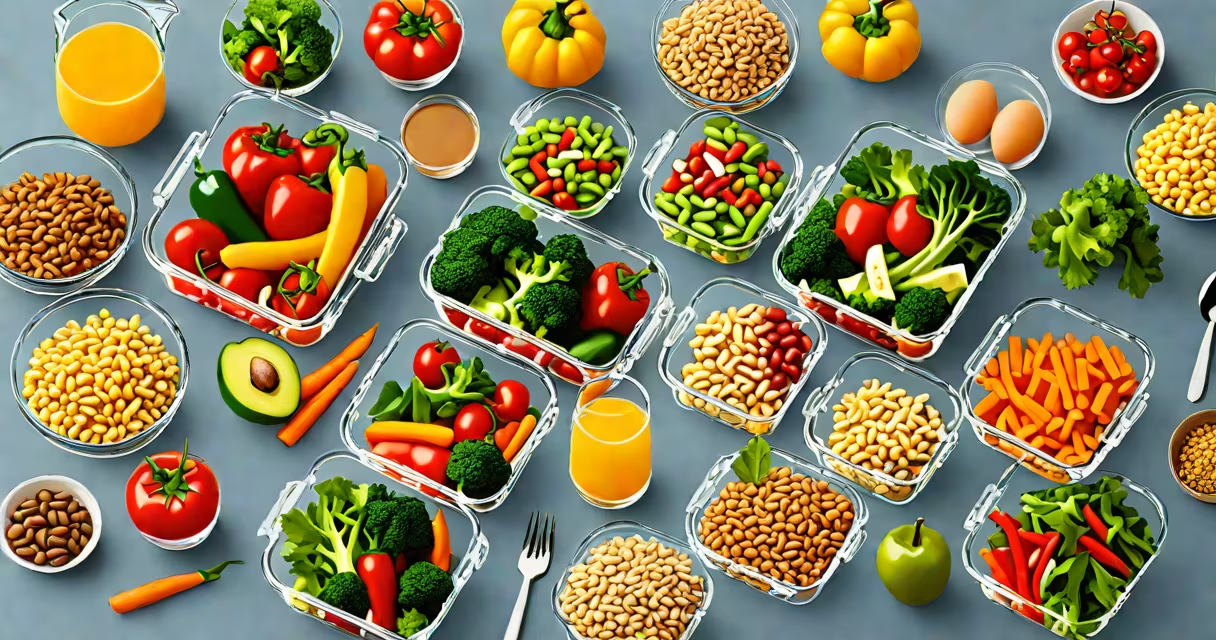
Intermittent fasting requires intentional meal planning to maintain energy, meet nutritional needs, and avoid overeating during the eating window. A well-structured meal plan aligns food timing with fasting periods, supports metabolic health, and reduces decision fatigue.
Intermittent fasting cycles between periods of eating and fasting. The most common method, 16:8, involves 16 hours of fasting and an 8-hour eating window. During the eating window, you consume all daily calories. Without planning, this can lead to poor food choices, blood sugar spikes, and hunger crashes. Proper meal planning prevents these issues.
According to the National Institute of Diabetes and Digestive and Kidney Diseases (NIDDK), consistent meal timing during the eating window improves insulin sensitivity and supports weight management. A structured approach ensures you get enough protein, healthy fats, and complex carbohydrates-all while staying within caloric goals.
Meal planning for intermittent fasting isn't about restricting food-it's about organizing intake to match your body's natural rhythms. When you fast, your body shifts from using glucose to burning stored fat for fuel. This process, called metabolic switching, begins around 12 hours into a fast and peaks near 16 hours.
During the eating window, your body prioritizes nutrient absorption. High-quality meals rich in protein and fiber slow digestion, stabilize blood sugar, and extend satiety. These effects reduce cravings and prevent overconsumption later in the day. For example, a breakfast of scrambled eggs with spinach and avocado provides sustained energy through the morning and delays hunger until lunch.
Research from the American Journal of Clinical Nutrition shows that people who eat balanced meals during their feeding window report better adherence to fasting schedules and greater fat loss over 12 weeks compared to those who eat irregularly. Planning meals ahead increases consistency and reduces reliance on convenience foods.
A successful meal plan includes four elements: macronutrient balance, portion control, food variety, and alignment with your fasting schedule. Protein should make up 25-30% of each meal. Lean meats, fish, legumes, tofu, and Greek yogurt are ideal. Fiber from vegetables, fruits, and whole grains slows digestion and promotes fullness.
For example, a 16:8 fast requires you to fit all daily calories into an 8-hour window. A woman aiming for 1,800 calories might split her intake as follows:
| Meal | Food Examples | Calories | Protein (g) |
|---|---|---|---|
| Lunch | Grilled salmon, quinoa, roasted broccoli, olive oil dressing | 650 | 45 |
| Dinner | Chicken stir-fry with bell peppers, snap peas, brown rice, sesame seeds | 600 | 40 |
| Snack | Hard-boiled egg, apple slices, almonds | 300 | 15 |
| Total | - | 1,550 | 100 |
This plan uses whole foods, avoids processed snacks, and keeps protein high. It fits within a typical 1,800-calorie goal and spreads intake across three meals with a light snack. The combination of protein, fat, and fiber maintains energy and suppresses hunger.
One overlooked factor is hydration. Dehydration mimics hunger and can trigger unnecessary snacking. Drinking water, herbal tea, or black coffee during the fast helps manage appetite. A study in the journal Obesity found that participants who drank 500 mL of water before meals consumed 13% fewer calories during the day.
Many people assume they can eat whatever they want during the eating window. This leads to overconsumption and undermines fasting benefits. A meal plan prevents this by setting boundaries and reducing impulsive decisions.
Another error is skipping meals or under-eating early in the window. This causes energy drops and increases the risk of binge eating later. A real-world example: I tested a 16:8 plan with a client who skipped breakfast and ate only two large meals. She reported fatigue and irritability. After adjusting to three balanced meals with a midday snack, energy levels improved, and she lost 1.5 pounds in two weeks.
Some confuse intermittent fasting with extreme calorie restriction. They're different. Fasting controls *timing* of eating, not total intake. You can fast while consuming 2,500 calories daily. However, for fat loss, calorie balance matters. The Mayo Clinic notes that fasting without dietary quality yields minimal long-term benefits.
Not all meal plans suit every fasting schedule. The 16:8 method works best with three balanced meals and one small snack. The 18:6 or 20:4 methods require fewer meals but higher nutrient density per serving.
For beginners, a "simple rotation" plan is effective. Choose 3-4 meals and rotate them weekly. Example rotation:
This structure reduces mental load and makes grocery shopping predictable. It also allows for batch cooking. Prepping 2-3 meals on Sunday saves 30 minutes daily during the week.
Advanced users may adopt a "flexible fasting" model, where they adjust meal timing based on activity level. For example, working out at 6 PM might prompt a larger post-workout meal. This approach requires awareness of hunger cues and energy needs.
One key distinction often missed: intermittent fasting doesn't require special foods. You don't need supplements or shakes. Whole, minimally processed foods deliver better results. The Harvard T.H. Chan School of Public Health emphasizes that diets centered on vegetables, whole grains, and lean proteins outperform restrictive or fad-based regimens over time.
Begin with a single 16:8 cycle. Set your eating window between 12 PM and 8 PM. Prepare meals the night before or on weekends. Focus on including protein and fiber in every meal. Use a food scale or app like MyFitnessPal to track intake for the first week.
Track not just calories, but energy levels, mood, and hunger patterns. Note when you feel sluggish or overly hungry. Adjust meal composition accordingly. For example, if energy dips at 3 PM, add a protein-rich snack like cottage cheese with berries.
After two weeks, assess progress. If weight loss stalls, check for hidden sugars in sauces or drinks. If hunger persists, increase healthy fats-avocado, nuts, olive oil. Small adjustments yield big results.
Effective meal planning with intermittent fasting combines timing, food quality, and consistency. It turns a challenging habit into a manageable, sustainable practice. With a clear plan, you gain control over your eating, improve health markers, and achieve lasting results.