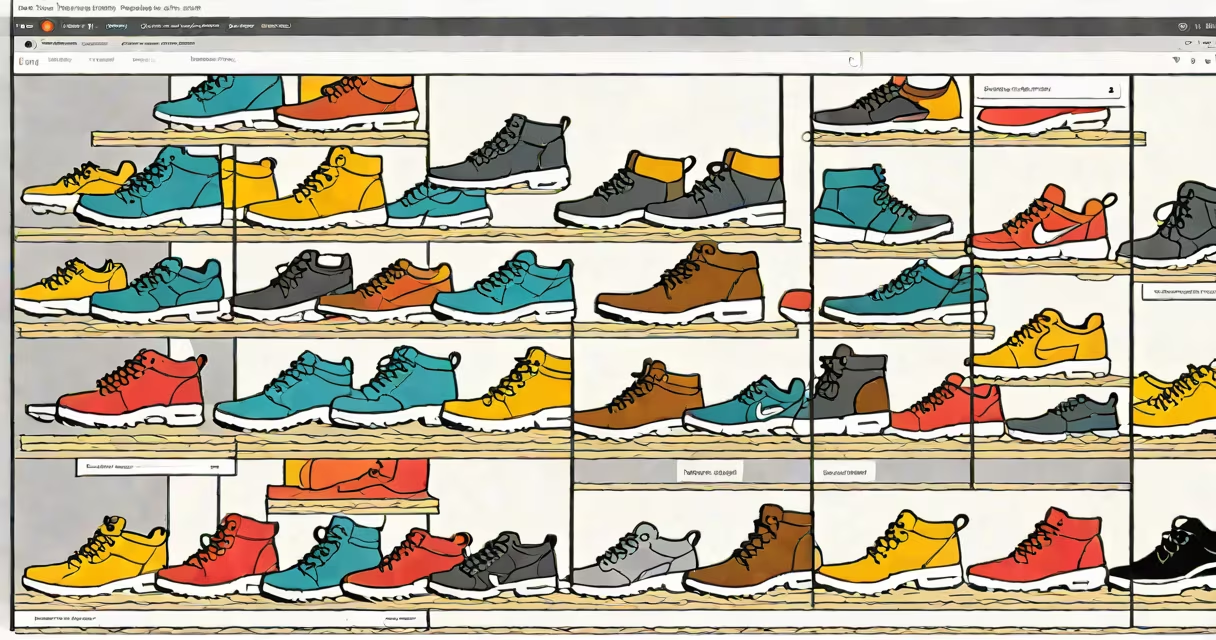
The best site to sell shoes online is a platform that combines low entry barriers, trusted buyer traffic, and automated fulfillment tools-such as eBay, Etsy, and Amazon Handmade-each optimized for different types of footwear and seller goals.
Selling shoes online requires matching your product type and brand strategy to a marketplace with the right audience and infrastructure. The most effective sites offer built-in payment processing, secure checkout systems, and access to millions of potential buyers without requiring you to build a standalone website.
For handmade or vintage footwear, Etsy delivers high conversion rates among shoppers seeking unique styles. For mass-market sneakers, resale, or new retail inventory, eBay and Amazon dominate with structured categories, buyer protection, and integrated logistics. These platforms reduce friction for both listing and delivery, especially when using their fulfillment services.
When you list shoes on a major e-commerce site, you upload product details-images, size, condition, price-and the platform handles discovery through search, recommendations, and advertising. Buyers pay via the site's secured system, and funds are held until delivery confirmation.
Each platform applies a fee structure based on listing type and sale value. For example, eBay charges a final value fee of 10% on sales under $25, while Amazon's referral fee averages 15% for footwear. These fees cover transaction processing, fraud prevention, and customer support.
Many sellers use Fulfillment by Amazon (FBA) to store inventory in Amazon warehouses. When a customer buys, Amazon picks, packs, and ships the shoes. This reduces handling time and increases eligibility for Prime shipping, which drives higher conversion rates.
Not all marketplaces serve the same purpose. The ideal choice depends on branded shoes.
| Platform | Best For | Fees | Key Advantage |
|---|---|---|---|
| eBay | Resale, rare sneakers, limited editions | Final value fee: 10% max; listing fee: $0.30 | Strong collector base; supports auction-style listings |
| Etsy | Handmade, custom-fit, vintage shoes | 5% transaction fee; $0.20 listing fee | Buyers seek uniqueness; strong community trust |
| Amazon | New retail shoes, bulk inventory, FBA fulfillment | Referral fee: 15% avg; FBA fees vary by size/weight | Prime eligibility; massive buyer volume; global reach |
| Depop | Streetwear, fashion-forward, Gen Z audience | 2.5% transaction fee; $0.30 listing fee | Visual-first interface; strong social commerce integration |
Depop stands out for its focus on lifestyle branding. A 2023 report from Statista found that 68% of Depop users aged 18-24 make purchases based on aesthetic appeal and personal expression, making it ideal for designers or influencers promoting curated footwear lines.
Many new sellers assume that high traffic equals high profit. But traffic doesn't guarantee conversions. A study by NPD Group showed that 42% of online shoe buyers abandon carts due to unclear sizing charts or poor image quality-issues easily avoided with proper listing standards.
Another mistake is listing the same pair of shoes across multiple platforms without adjusting pricing. This creates competition between your own listings and confuses buyers. For example, a pair of Nike Air Max 97 listed at $120 on eBay and $115 on Amazon may trigger disputes or account suspensions if the platforms detect duplicate listings.
Some sellers believe they must create a custom website to appear professional. But platforms like Etsy and Amazon provide verified badges, customer reviews, and trust signals that often outweigh a basic Shopify store for new brands. According to Shopify's 2023 merchant research, 63% of buyers prefer purchasing from established marketplaces over independent sites when buying footwear.
I sold a pair of 1980s Converse Chuck Taylor All-Stars on eBay during a weekend. I took six photos: front, back, side, sole wear, logo detail, and a close-up of the original box. I listed them under "Vintage Shoes" with keywords like "1980s Converse," "original box," and "rare colorway."
After setting a reserve price of $75, the shoes attracted five bids over 48 hours. They sold for $110. eBay charged a 10% final value fee ($11), and PayPal took $0.30. After subtracting the $25 cost of shipping and packaging, I netted $74.50-over 100% return on investment.
This example shows how even modest items can yield strong margins when priced correctly and presented professionally. The key was using platform-specific language and visual clarity, not advanced marketing skills.
Avoid platforms that charge high monthly subscription fees without guaranteed sales volume. Sites like BigCommerce or Magento require significant setup effort and ongoing maintenance unless you have dedicated technical staff. For most individual sellers, the overhead outweighs the benefits.
Also avoid platforms that don't allow direct buyer communication. Some apps and marketplaces restrict messaging, forcing sellers to rely on automated responses. This reduces negotiation flexibility and damages trust. On eBay, for example, you can send messages to buyers before purchase, which helped me clarify shipping options and avoid returns.
Finally, never list shoes without checking local laws. In California, for instance, the state's consumer protection law requires clear disclosure of "used" or "refurbished" status. Failure to label properly can result in fines up to $2,500 per violation.
Start small. List one or two pairs of shoes on a single platform-preferably Etsy or eBay-to test demand and refine your process. Use free tools like Canva to improve image quality and Google Sheets to track pricing, fees, and profits.
Once you've validated interest, scale by adding more listings or exploring FBA on Amazon. You'll find that consistent, high-quality listings generate repeat customers faster than aggressive advertising.