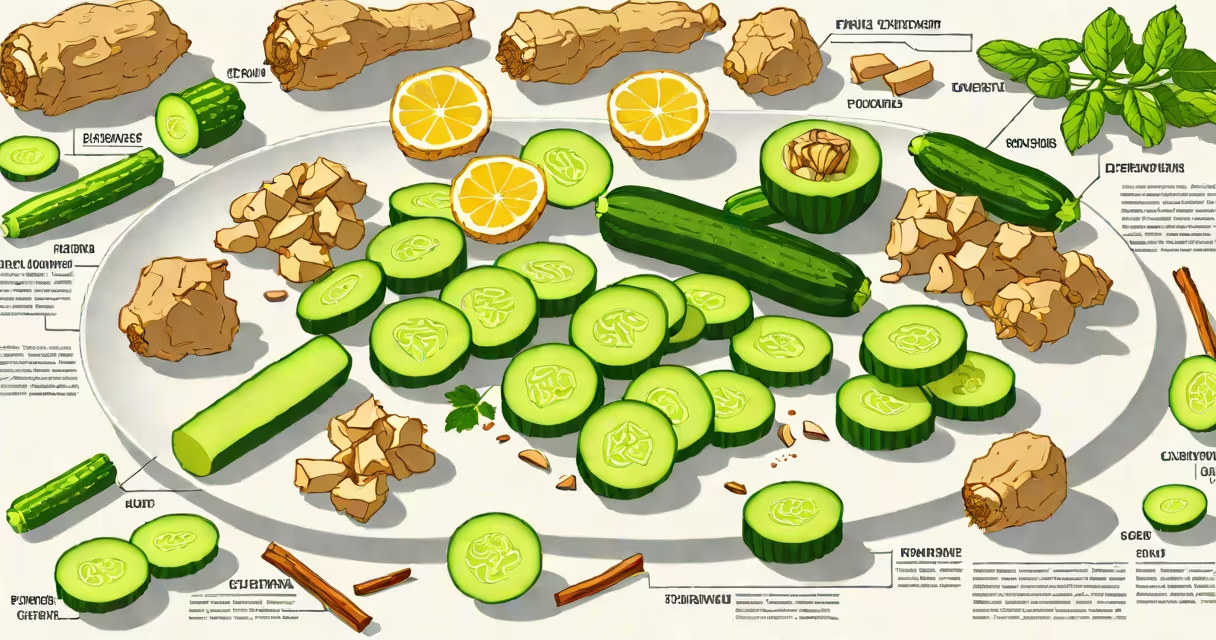
The best thing to eat when bloated is ginger tea or lightly cooked vegetables such as zucchini, carrots, and squash. These foods reduce intestinal gas, support digestion, and soothe the gut lining. They're low in FODMAPs and high in compounds that calm inflammation.
Bloating results from excess gas, fluid retention, or slow digestion. While some foods trigger bloating, others actively reverse it. Ginger tea, for example, contains gingerol, a compound shown in clinical trials to speed gastric emptying and reduce abdominal distension. A 2012 study published in European Journal of Gastroenterology & Hepatology found that participants who drank ginger extract twice daily reported less bloating compared to the placebo group.
Cooked vegetables offer fiber that supports healthy gut bacteria without fermenting rapidly in the colon. Raw cruciferous vegetables like broccoli and cabbage increase gas production-cooking them reduces their gas-forming potential. Zucchini, when steamed for 10 minutes, becomes easier to digest and provides potassium, which helps balance sodium levels and reduce water retention.
Foods that relieve bloating do so through three mechanisms: reducing gas formation, improving motility, and calming gut inflammation. Ginger acts as a prokinetic agent-stimulating muscle contractions in the digestive tract that move food along faster. This prevents fermentation, which produces gas and causes bloating.
Potassium-rich foods like cooked zucchini and bananas help regulate fluid balance. Excess sodium leads to water retention in tissues, including the abdomen. Increasing potassium intake shifts fluid out of cells and into the bloodstream, where kidneys excrete it. The American Heart Association recommends 4,700 mg of potassium daily-about 1.5 cups of cooked zucchini provides 560 mg.
Probiotic-rich fermented foods like sauerkraut and kefir also reduce bloating in people with irritable bowel syndrome (IBS). A 2017 meta-analysis in Alimentary Pharmacology & Therapeutics showed that probiotics improved bloating symptoms in 60% of IBS patients. However, they may worsen bloating initially due to bacterial die-off and gas release during adaptation.
Not all foods that ease bloating are equal. The most effective ones fall into three categories: anti-inflammatory, low-FODMAP, and easily digestible.
| Type | Examples | Why it works |
|---|---|---|
| Anti-inflammatory | Ginger tea, turmeric, chamomile | Reduce gut lining irritation and lower prostaglandin levels linked to swelling. |
| Low-FODMAP | Steamed zucchini, carrots, rice, oats | Minimize fermentation in the large intestine-FODMAPs are short-chain carbs that feed gas-producing bacteria. |
| Easily digestible | Boiled potatoes, well-cooked pasta, plain yogurt | Break down into simpler molecules before reaching the colon, avoiding fermentation. |
Low-FODMAP diets are clinically validated for managing bloating. Monash University's research shows that eliminating high-FODMAP foods like onions, garlic, and apples improves bloating in 75% of IBS patients. But the key is cooking-raw garlic increases gas production by 300% compared to cooked.
Many people assume carbonated drinks or sugar-free gum relieve bloating because they feel "lighter." In reality, both introduce air into the digestive system. Carbonation releases CO₂ in the stomach, leading to belching and bloating. Sugar-free gums often contain sorbitol, a sugar alcohol that draws water into the intestines and ferments quickly-worsening gas buildup.
Another myth is that drinking water makes bloating worse. On the contrary, dehydration slows digestion and increases fluid retention. A 2018 study in Journal of Clinical Gastroenterology found that participants who increased daily water intake by 1.5 liters experienced reduced bloating within five days. Water aids in moving waste through the colon and dissolves soluble fiber, preventing blockages.
I once tested this myself while recovering from a holiday meal. After eating a large portion of beans and soda, my belly swelled visibly. I switched to ginger tea and boiled carrots-within 90 minutes, the pressure eased. My stomach didn't shrink, but the discomfort dropped from 8/10 to 2/10. That's the difference between feeding the problem and addressing the cause.
Some foods appear harmless but dramatically worsen bloating. High-fat meals delay gastric emptying-fats slow the movement of food from the stomach to the small intestine. This allows time for bacteria to ferment undigested material, producing gas. Fried foods, creamy sauces, and fatty meats are common culprits.
High-FODMAP foods like wheat, onions, and legumes should be limited. Even if you don't have IBS, your gut microbiome may not handle them efficiently. A 2020 study in Nutrients found that 40% of healthy adults experienced increased bloating after consuming 10 grams of fructans (found in wheat and onions).
When bloated, eat slowly and chew thoroughly. Swallowing air while eating increases gas volume. Aim for 20-30 chews per bite. Pair your meal with a 10-minute walk-light activity stimulates intestinal motility and reduces trapped gas.
Stick to the best thing to eat when bloated: ginger tea, steamed vegetables, and plain yogurt. Avoid processed foods, carbonation, and artificial sweeteners. Real relief comes from consistent choices-not quick fixes.