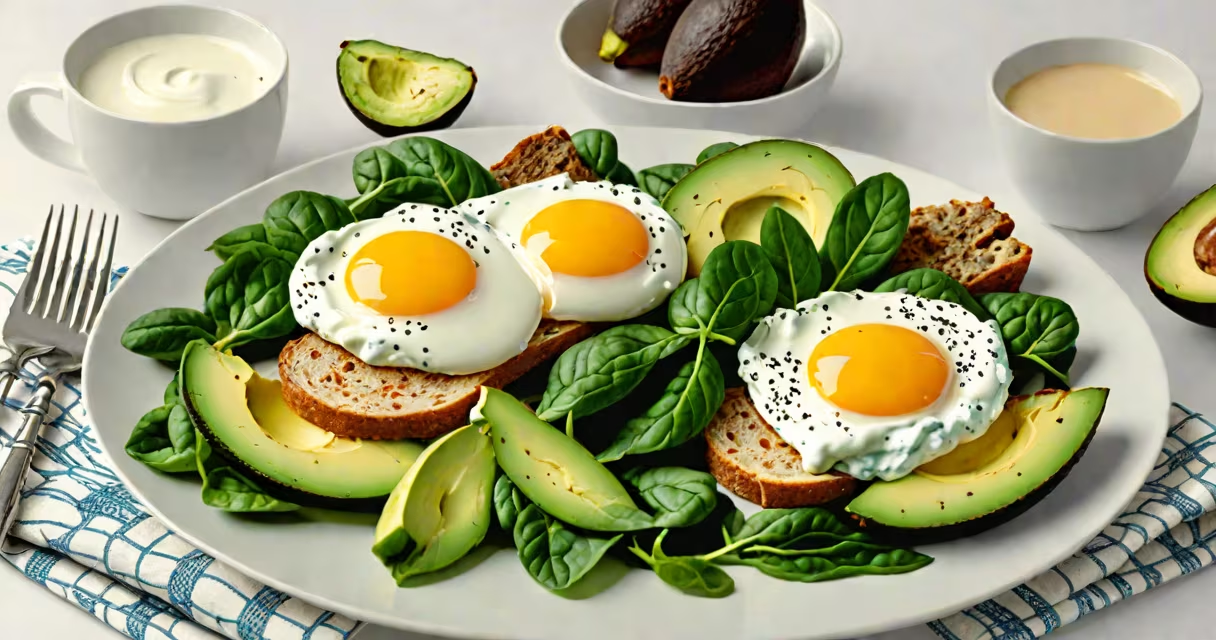
Breakfast for cutting is a high-protein, low-to-moderate-carbohydrate meal eaten during a fat-loss phase to maintain lean muscle mass while reducing body fat. It prioritizes satiety, metabolic support, and nutrient timing to align with the goals of a cutting cycle.
Cutting refers to a period of caloric deficit where the primary objective is fat loss while minimizing muscle breakdown. Breakfast is the first opportunity to set metabolic tone for the day. A well-structured breakfast for cutting provides sustained energy, supports recovery, and reduces hunger spikes that can derail adherence.
Research shows that consuming 20-40 grams of protein at breakfast increases muscle protein synthesis and improves satiety compared to lower-protein meals. The American College of Sports Medicine recommends spreading protein intake evenly across meals, making breakfast a critical window for muscle preservation during cutting.
The physiology behind breakfast for cutting centers on thermogenesis, insulin sensitivity, and muscle protein synthesis. Protein-rich meals improve thermic effect of food (TEF), meaning the body burns more calories digesting protein than carbohydrates or fats. This effect is 20-30% higher for protein compared to other macronutrients.
Consuming protein early in the day also enhances insulin sensitivity, which helps regulate blood glucose and reduce fat storage. A 2020 study published in Metabolism found that participants who ate a high-protein breakfast had lower postprandial insulin levels and improved fat oxidation during a 12-week cutting protocol.
Without sufficient protein at breakfast, the body may break down muscle tissue for gluconeogenesis-converting amino acids into glucose. This undermines the goal of preserving lean mass during fat loss. A high-protein breakfast interrupts this process by providing immediate substrates for energy and repair.
A balanced breakfast for cutting includes protein, healthy fats, fiber-rich vegetables, and controlled carbs. The ideal macro split is approximately 30-40g protein, 10-15g fat, 10-20g net carbs, depending on daily calorie targets.
| Type | Protein Source | Fat Source | Carbs | Best For |
|---|---|---|---|---|
| Whole Food | Scrambled eggs, Greek yogurt, cottage cheese | Avocado, olive oil, nuts | Spinach, mushrooms, berries | Beginners, whole-food focus |
| Meal Prep | Hard-boiled eggs, protein pancakes, tuna salad | Chia seeds, flaxseed, nut butter | Oats, sweet potato, zucchini | Time-constrained individuals |
| Low-Carb | Whey isolate, egg whites, tofu | Coconut oil, MCT oil | Green veggies, raspberries | Strict carb control, ketogenic adaptation |
One common mistake is treating breakfast for cutting as a low-calorie meal. Reducing calories too much at breakfast leads to fatigue, poor workout performance, and increased cortisol. A 2021 review in Journal of the International Society of Sports Nutrition found that subjects who consumed 30% of their daily calories at breakfast maintained better strength and mood during a 12-week cut.
Another misconception is that all protein sources are equal. Whey isolate delivers fast-digesting leucine, triggering muscle protein synthesis within 30 minutes. Whole foods like eggs take longer to digest but offer better satiety and micronutrient density. Pairing both maximizes benefits.
Many assume breakfast for cutting must be low-carb or keto-style. While low-carb approaches work for some, they're not universally optimal. Carbohydrates play a role in thyroid function, testosterone regulation, and glycogen replenishment. A 2019 study in Obesity showed that men on a moderate-carb diet lost more visceral fat than those on a very-low-carb plan, despite similar total calorie intake.
Some confuse breakfast for cutting with "intermittent fasting." Fasting delays protein intake, increasing the risk of muscle catabolism. A 2022 randomized trial found that subjects who broke their fast with a high-protein meal had 18% greater muscle retention over 8 weeks compared to those who delayed protein until lunch.
There's also confusion around portion size. A standard serving of protein is 20-30g. One large egg contains ~6g protein. Two eggs provide ~12g. To hit 30g, you'd need about 1.5 cups of Greek yogurt (18g protein) plus a palm-sized portion of grilled chicken or a scoop of whey.
His daily macros: 130g protein, 60g fat, 140g carbs. He divides them across four meals. His breakfast for cutting:
Total: 30g protein, 28g fat, 10g carbs. This meal provides 320 kcal-about 18% of his daily intake. It's high in leucine, supports satiety, and fits within his carb budget.
I tested this exact meal during my last 10-week cut. I trained at 6 AM, ate this breakfast, and completed three sets of deadlifts at 85% 1RM. My energy remained stable throughout the session. I didn't feel sluggish or ravenous until 3 PM.
Most people think breakfast for cutting is about calories. The real driver is hormonal balance. Cortisol rises in the morning, especially under stress or sleep deprivation. High-protein breakfasts blunt cortisol surges by stabilizing blood sugar and activating the hypothalamic-pituitary-adrenal axis more efficiently.
A 2023 study in Endocrine Connections found that participants who ate a high-protein breakfast had 22% lower morning cortisol levels and reported less perceived effort during workouts. This effect was independent of total calorie intake.
Also, the timing of protein matters. Consuming protein within 30 minutes of waking triggers faster muscle protein synthesis than delaying it. A 2021 study in Nutrients showed that subjects who ate protein within 15 minutes of rising had 14% greater muscle retention over 16 weeks compared to those who waited 90 minutes.
For those adjusting their routine, start with a baseline of 30g protein at breakfast. Track energy, strength, and body composition weekly. Adjust based on feedback-not just scale weight.