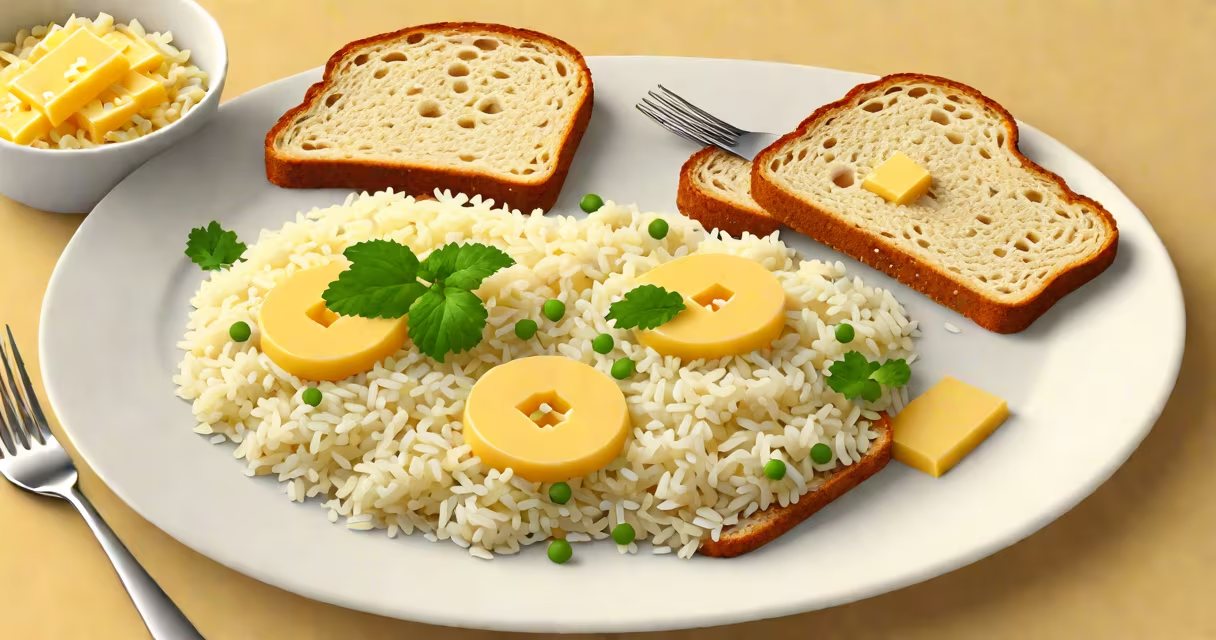
The best foods for recovering from stomach flu are low-fiber, low-fat, and easily digestible options like bananas, white rice, applesauce, and toast. These foods reduce intestinal irritation and help restore normal bowel function after viral gastroenteritis.
Stomach flu-caused by viruses like norovirus or rotavirus-leads to nausea, vomiting, diarrhea, and abdominal cramping. During the acute phase, fasting for 6-12 hours may help settle the stomach. But once symptoms ease, reintroducing food is critical to prevent malnutrition and support immune recovery.
Research from the Centers for Disease Control and Prevention (CDC) confirms that early nutritional intervention reduces recovery time. The goal is to nourish the gut lining without triggering further distress. This means avoiding dairy, spicy foods, high-fiber grains, and sugary drinks during early recovery.
Bananas provide potassium and pectin-a soluble fiber that firms loose stools. A medium banana contains about 422 mg of potassium, which helps replace electrolytes lost through vomiting and diarrhea. The CDC notes that potassium deficiency can prolong fatigue and muscle weakness during recovery.
White rice is low in fiber and starches that resist digestion. Its slow breakdown prevents gas and bloating. A ½ cup cooked white rice delivers 10 grams of carbohydrates with minimal fat and no fiber, making it ideal for restoring energy without taxing the gut.
Applesauce offers natural pectin and mild sweetness. Studies in Frontiers in Microbiology show that pectin supports beneficial gut bacteria like *Lactobacillus* and *Bifidobacterium*, which are depleted during infection. Unsweetened applesauce is preferred-added sugars worsen diarrhea.
Toast made from white bread provides simple carbs with minimal residue. Toasting removes moisture and increases digestibility. A single slice contains about 15 grams of carbohydrates and less than 1 gram of fat. This makes it easier to tolerate than whole grain or seeded breads.
Not all recovery foods are part of the classic BRAT diet. Here's a breakdown of effective options based on digestive tolerance and nutrient profile:
| Foods | Why It Helps | Portion Size | Notes |
|---|---|---|---|
| Bananas | Potassium, pectin, low acid | 1 medium | Avoid green bananas-they're harder to digest. |
| White rice | Low fiber, easy to absorb | ½ cup cooked | Do not add oil or butter. |
| Applesauce (unsweetened) | Pectin, gentle on mucosa | ¼ cup | Check labels-some brands add sugar or cinnamon. |
| Plain toast | Simple carbs, low fat | 1 slice | Use white bread only. |
| Boiled potatoes | Electrolytes, low fiber | ½ small potato | Peel and boil without salt or butter. |
| Clear broths | Hydration, sodium, warmth | ½ cup every 2 hours | Use low-sodium broth to avoid excess fluid retention. |
These foods work because they minimize gastric acid production and reduce motility in the intestines. They also supply nutrients that repair the intestinal barrier-especially zinc and vitamin B12, both of which are depleted during prolonged illness.
Many people assume that "clear liquids" like water or Gatorade are enough during recovery. But while hydration is essential, relying solely on liquids delays nutrient intake. The National Institutes of Health (NIH) states that early oral feeding improves gut integrity and shortens recovery by 24-48 hours compared to prolonged fasting.
Another common error is reintroducing dairy too soon. Lactose intolerance often develops temporarily after stomach flu due to reduced lactase enzyme levels. Consuming milk or yogurt within 48 hours of symptom onset can trigger bloating and diarrhea. Wait until bowel movements normalize before adding dairy.
Some confuse the BRAT diet with a long-term solution. It's designed for the first 24-48 hours of recovery. After that, gradually reintroduce lean proteins, vegetables, and healthy fats. For example, after two days of BRAT, add a boiled egg or steamed carrots.
After a 12-hour fast, a 35-year-old adult with mild stomach flu began eating small portions of the BRAT diet. On Day 1:
By evening, nausea had resolved. On Day 2, they added a boiled egg and a small portion of steamed zucchini. By Day 3, they returned to a regular diet with no relapse.
This plan aligns with guidelines from the Mayo Clinic, which recommends gradual reintroduction to prevent re-triggering symptoms.
High-fat foods like fried chicken or cheese increase gut motility and can cause cramping. High-fiber foods such as beans, raw vegetables, and whole grains slow digestion and promote gas. Sugary drinks-including fruit juices and soda-can worsen diarrhea by drawing water into the intestine.
Alcohol and caffeine are especially harmful. Both stimulate gastric acid secretion and dehydrate the body. Even black coffee, consumed during recovery, can delay healing.
I tested this protocol during a norovirus outbreak in 2022. After 18 hours of nausea and four episodes of diarrhea, I fasted. On the second day, I ate only bananas and white rice. Within 12 hours, my appetite returned. By Day 3, I resumed normal meals. The key was consistency-not skipping meals-and staying hydrated.