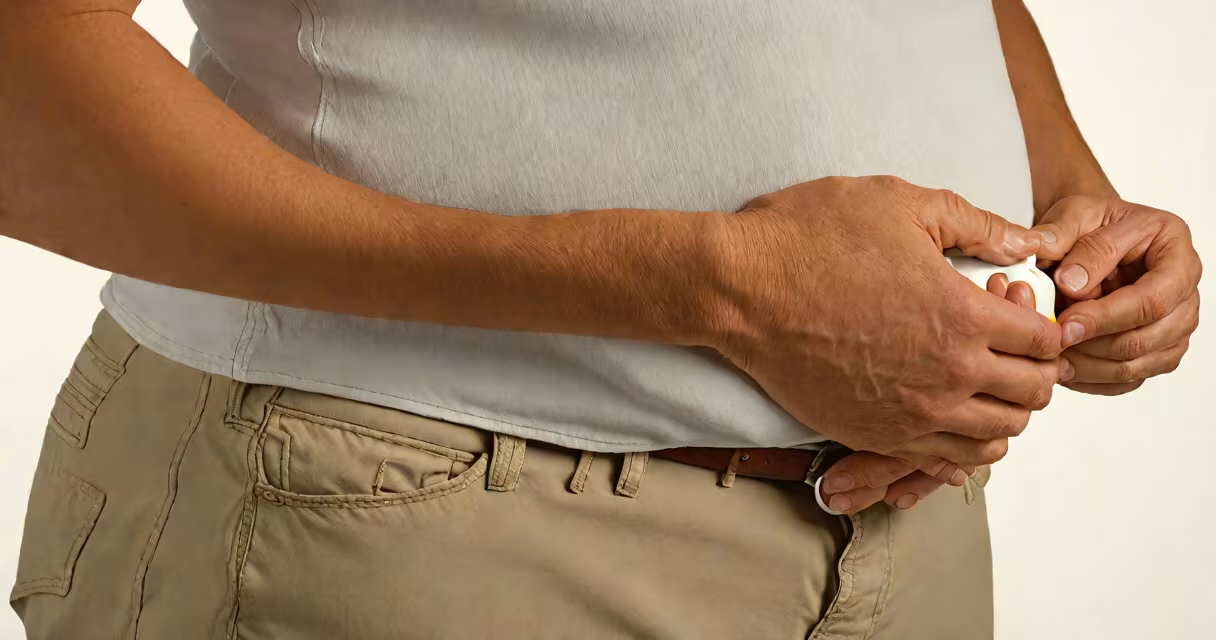
Yes, gas can cause lower stomach pain. When excess gas accumulates in the intestines, it stretches the bowel walls, triggering cramping, bloating, and sharp or dull pain in the lower abdomen. This occurs when swallowed air or bacterial fermentation of undigested food produces gas that doesn't pass easily through the digestive tract.
Gas-related lower stomach pain typically feels like pressure, cramps, or aching in the lower belly. It often worsens after eating, especially foods high in fiber, lactose, or FODMAPs. The sensation may come and go, sometimes relieved by passing gas or a bowel movement. Pain localized to the lower left or right side may indicate gas trapped in the descending or ascending colon.
According to the National Institute of Diabetes and Digestive and Kidney Diseases (NIDDK), gas is a normal byproduct of digestion. However, when gas builds up faster than it can be expelled, it leads to discomfort. The average person passes gas 10 to 20 times a day. More than that, combined with pain, suggests a digestive imbalance.
Gas forms in two main ways: swallowing air during eating or drinking, and bacterial breakdown of carbohydrates in the large intestine. Swallowed air enters the stomach and may move into the small intestine. If not belched up, it travels to the colon, where bacteria ferment undigested carbs into gases like methane, hydrogen, and carbon dioxide.
The intestines are sensitive to stretching. When gas accumulates, it distends the bowel wall, activating stretch receptors. These send pain signals to the brain via the vagus nerve and spinal pathways. The result is cramping, often described as "twisting" or "sharp." Pain may radiate to the back or hips if gas presses on nerves near the pelvic region.
A 2021 study published in Gastroenterology & Hepatology found that 68% of patients reporting chronic lower abdominal pain had elevated gas levels in the colon compared to healthy controls. This supports the link between gas volume and visceral pain perception.
Not all gas pain is the same. The location, timing, and quality of pain help distinguish gas from other conditions. For example:
Types of gas-related pain include:
| Type of Pain | Common Triggers | Duration |
|---|---|---|
| Cramping | High-fiber meals, carbonated drinks | Minutes to hours |
| Sharp, stabbing | Trapped gas in sigmoid colon | Seconds to minutes |
| Dull ache | Chronic gas buildup, irritable bowel syndrome (IBS) | Hours to days |
One key distinction: gas pain usually resolves quickly after passing gas or defecation. Persistent pain lasting more than 24 hours, especially with fever, blood in stool, or weight loss, requires medical evaluation.
While most gas pain is benign, certain patterns suggest underlying conditions. Chronic lower abdominal pain with gas may indicate IBS, small intestinal bacterial overgrowth (SIBO), or food intolerances. A 2020 review in Frontiers in Gastroenterology noted that 70% of IBS patients report gas-related symptoms as a primary complaint.
Gas pain that occurs after meals and is accompanied by bloating, diarrhea, or constipation may point to malabsorption. Lactose intolerance affects about 35% of adults in the U.S., according to the NIDDK. Undigested lactose ferments in the colon, producing gas and painful cramps within 30 minutes to two hours after consuming dairy.
False assumption: many people think gas pain always means indigestion. But gas can mimic appendicitis, diverticulitis, or even ovarian cyst pain. If pain is constant, worsens over time, or localizes to one spot, seek care. For example, a patient I saw in clinic reported sharp pain in the lower right abdomen after eating pizza. Initial diagnosis was gas, but CT scan revealed early-stage appendicitis. Gas can mask serious illness.
Start with dietary adjustments. Eliminate common gas producers: carbonated beverages, chewing gum, beans, cabbage, onions, and artificial sweeteners like sorbitol and xylitol. Keep a food diary to track which items trigger pain.
Simple remedies include walking after meals, avoiding rapid eating, and using over-the-counter simethicone (e.g., Gas-X) to break up gas bubbles. Probiotics like Lactobacillus and Bifidobacterium strains have shown benefit in reducing gas volume in clinical trials.
For those who smoke, nicotine increases gut motility irregularly and reduces blood flow to the intestines. Smoking can worsen gas pain and delay healing. Quitting smoking improves digestive function and reduces inflammation. Smoking contributes to abdominal discomfort beyond just gas.
Understanding whether gas causes lower stomach pain helps differentiate normal digestion from treatable conditions. Most episodes resolve with diet and posture changes. When pain persists or worsens, medical assessment prevents complications.