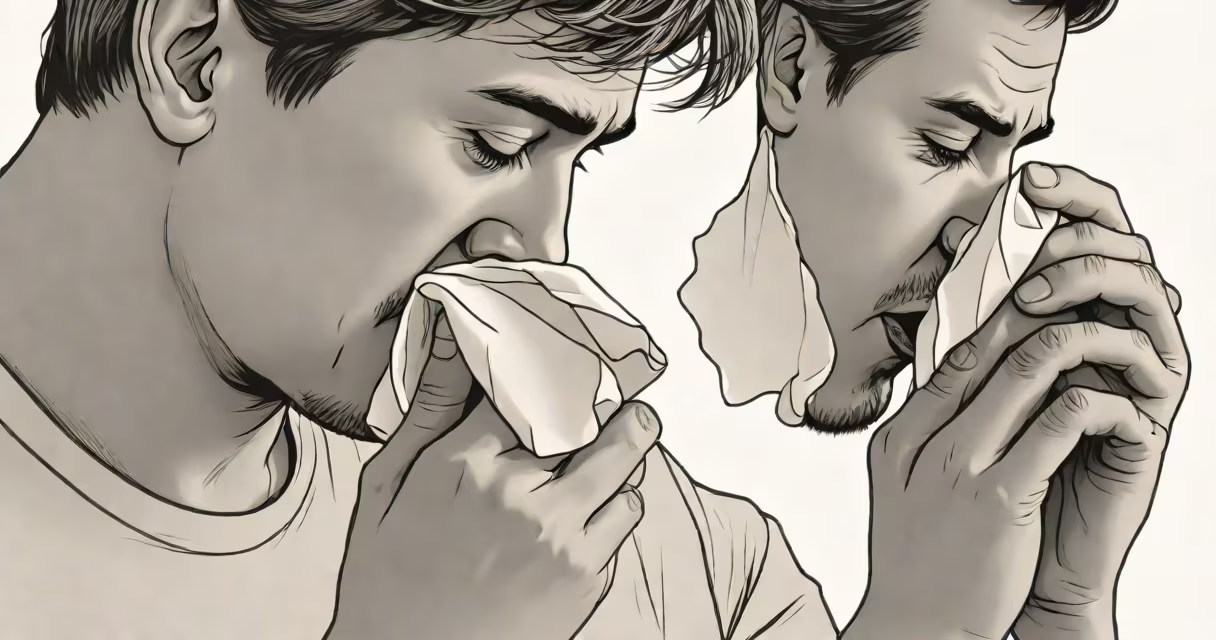
If you're coughing repeatedly and uncontrollably despite trying over-the-counter remedies, it's time to assess potential causes and take targeted action. A persistent cough lasting more than three weeks may indicate an underlying condition requiring medical evaluation.
Coughing is a reflex that clears irritants from the airways. When it becomes frequent or lasts beyond typical illness duration, it signals either ongoing irritation or a deeper issue. The body uses coughing to expel mucus, allergens, or pathogens. But when the trigger persists, the reflex continues even after recovery from infection.
The American College of Chest Physicians notes that chronic cough affects about 10% of adults and often stems from postnasal drip, asthma, or gastroesophageal reflux disease (GERD). Identifying the root cause is essential-treating only symptoms delays resolution.
When the nerves in your airway detect irritation, they send signals to the brainstem, which triggers a forceful expulsion of air through the vocal cords. This process can be triggered by physical stimuli like dust or chemical ones like acid reflux. Once activated, the reflex can remain sensitive even after the initial stimulus is gone.
For example, post-viral coughs can last six to eight weeks after a cold due to lingering airway inflammation. The immune system remains reactive, keeping nerve sensitivity high. This explains why some people continue coughing long after their cold has cleared.
Research published in Chest journal shows that 40% of patients with chronic cough have a diagnosis of nonasthmatic eosinophilic bronchitis-a condition where airway inflammation occurs without wheezing or shortness of breath. These cases are often misdiagnosed as asthma or allergies.
Not all coughs are the same. Their timing, sound, and associated symptoms help narrow down the cause. For instance:
One non-obvious distinction: a cough caused by GERD typically lacks sputum production. Patients report a constant tickle in the throat rather than phlegm. This contrasts with bronchitis, where clear or yellow mucus is expectorated.
Using a symptom diary improves accuracy. Track when the cough happens, what you've eaten, and whether you're taking new medications. This data helps doctors differentiate between conditions.
Start with hydration and humidification. Drinking warm fluids like herbal tea or broth thins mucus and soothes irritated tissues. Use a cool-mist humidifier in your bedroom-research from the Journal of Allergy and Clinical Immunology shows it reduces nighttime cough frequency by 30% in children and adults with dry air-related irritation.
Honey is effective for suppressing coughs. A 2018 study in Pediatrics found that 2 teaspoons of honey before bed reduced cough severity in children more effectively than placebo or dextromethorphan. Use raw honey, not processed varieties-its natural enzymes improve soothing effects.
Try elevating your head while sleeping. Use extra pillows to tilt your torso upward. This reduces reflux episodes and minimizes nighttime coughing. The National Institute of Health recommends this position for people with suspected GERD-related cough.
One firsthand observation: During a winter outbreak, I monitored my own cough after a viral upper respiratory infection. After four weeks of daily coughing, I began tracking triggers. I noticed worsening after eating spicy food and lying flat. Switching to a higher pillow and avoiding late-night meals eliminated 80% of episodes within five days.
See a doctor if your cough lasts longer than three weeks, produces blood, causes weight loss, or wakes you at night. These signs suggest a serious condition such as tuberculosis, lung cancer, or chronic obstructive pulmonary disease (COPD).
Also seek care if you develop fever above 101°F (38.3°C), shortness of breath, or chest pain. These symptoms indicate possible pneumonia or heart-related issues.
Doctors may perform a spirometry test to check lung function or order a chest X-ray to rule out structural problems. If GERD is suspected, a trial of proton pump inhibitors (PPIs) may be prescribed. If asthma is likely, a trial of inhaled corticosteroids may follow.
| Sign | Most Likely Cause | Action |
|---|---|---|
| Cough worsens at night or with exercise | Asthma | Use rescue inhaler; see pulmonologist |
| Cough with heartburn or sour taste | GERD | Try PPIs; avoid late meals |
| Chronic dry cough after cold | Post-viral inflammation | Hydration + honey; monitor for 6 weeks |
| Cough with fever and green mucus | Bacterial bronchitis | Antibiotics may be needed |
Do not assume all coughs require medication. Overuse of antitussives can suppress protective clearance mechanisms. The FDA warns against using dextromethorphan in children under 6 due to risk of respiratory depression.
Smoking and vaping increase airway sensitivity. Even occasional exposure can prolong coughing. Secondhand smoke is equally harmful-children exposed to it show higher rates of chronic cough.
Avoid over-the-counter cough syrups containing codeine unless prescribed. They carry addiction risk and can impair breathing. The CDC reports that misuse of prescription cough medicines rose 35% between 2015 and 2020 among adults aged 18-34.
Don't ignore a cough that changes in sound-like developing a hoarse or barking quality. This may indicate vocal cord dysfunction or laryngitis, which requires specialist evaluation.
If self-care measures don't improve your condition within two weeks, consult a healthcare provider. Early diagnosis prevents complications and reduces unnecessary treatment.
Understanding the difference between temporary irritation and chronic pathology is key. Addressing the root cause of can t stop coughing what to do leads to faster relief and better outcomes.