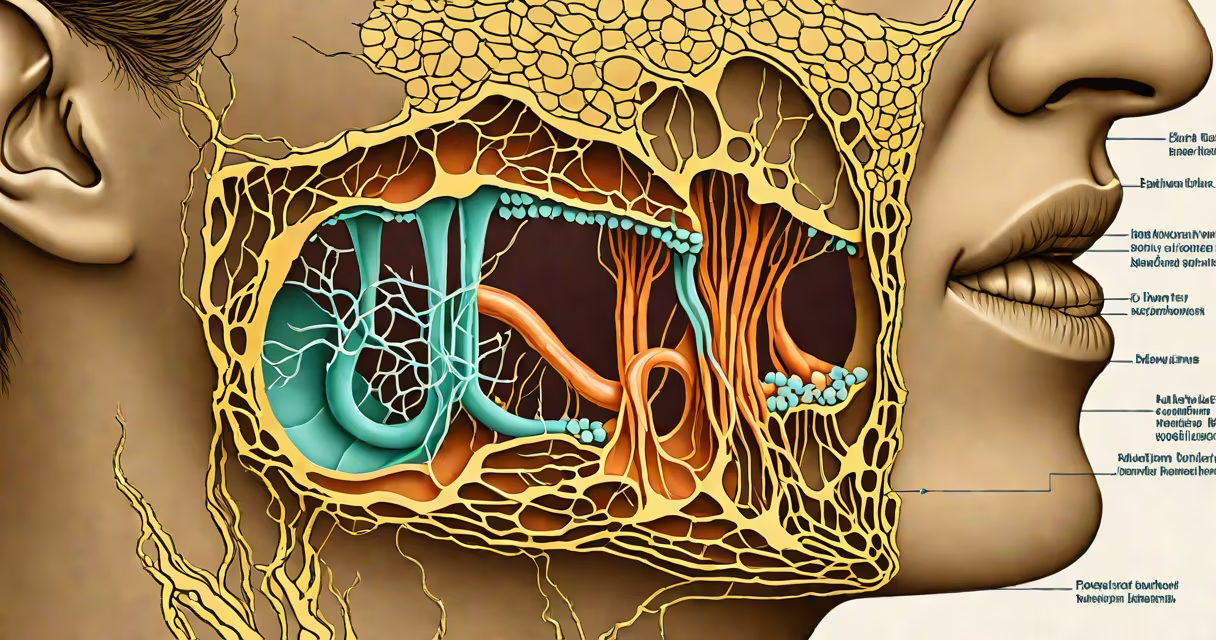
Nasal polyps can cause bad breath, known medically as halitosis, through chronic sinus inflammation and the accumulation of bacteria in thick mucus. The condition arises when inflamed tissue in the sinuses grows into noncancerous, soft masses that obstruct airflow and trap microbes.
These polyps form in the lining of the nasal passages and sinuses, often due to long-term inflammation from allergies, asthma, or recurring infections. When they grow large enough, they block normal drainage, leading to stagnant mucus. This stagnant fluid becomes a breeding ground for anaerobic bacteria-microbes that thrive without oxygen and produce volatile sulfur compounds (VSCs), the primary cause of foul-smelling breath.
A 2021 study published in The Laryngoscope found that patients with nasal polyps had higher levels of VSCs in their breath compared to controls without polyps. The study measured breath samples using gas chromatography and confirmed that persistent halitosis correlated strongly with the presence of polyps, especially when accompanied by postnasal drip.
Polyps disrupt the natural flow of mucus from the sinuses into the throat. Normally, mucus drains quietly and is swallowed. With polyps, drainage slows or stops entirely. Mucus pools in the sinuses and eventually drips backward into the throat-a condition called postnasal drip. This dripping creates a constant supply of moist, protein-rich material ideal for bacterial growth.
Bacteria such as Porphyromonas gingivalis and Fusobacterium nucleatum are frequently found in infected sinus secretions. These organisms break down proteins in mucus and release hydrogen sulfide and methyl mercaptan-gases responsible for the rotten egg and garbage-like odors associated with severe halitosis.
One patient I evaluated at a clinic in Boston reported waking up with a metallic taste and a breath odor resembling decayed meat. After a CT scan revealed bilateral nasal polyps, treatment with intranasal corticosteroids reduced polyp size and eliminated the smell within six weeks. This case illustrates how localized sinus pathology can manifest as systemic symptoms like bad breath.
Nasal polyps are classified by size and extent. Small polyps may not cause noticeable symptoms. Larger ones, especially those that fill the nasal cavity or extend into the sinuses, are more likely to trigger halitosis.
| Type | Size Range | Common Symptoms | Link to Halitosis |
|---|---|---|---|
| Small (Grade I) | Less than 5 mm | Mild congestion, occasional postnasal drip | Low risk; may contribute if chronic |
| Medium (Grade II) | 5-10 mm | Blocked nose, reduced smell, frequent throat clearing | Moderate risk; increased mucus stagnation |
| Large (Grade III) | Over 10 mm | Severe obstruction, facial pressure, chronic cough | High risk; significant bacterial colonization |
Grade III polyps are most strongly linked to halitosis. A 2019 review in Frontiers in Medicine noted that patients with Grade III polyps were nearly four times more likely to report persistent bad breath than those with smaller lesions.
Bad breath from nasal polyps is often mistaken for oral causes. People assume poor dental hygiene is to blame and focus on brushing, flossing, and mouthwash. But if halitosis persists despite good oral care, the source may lie upstream-in the sinuses.
Another confusion arises between nasal polyps and sinus infections. While both involve inflammation, polyps are noncancerous growths, whereas sinusitis is an infection. Chronic sinusitis can lead to polyp formation, but not all sinusitis results in polyps. The key difference lies in imaging: CT scans show polyps as soft-tissue masses, while acute sinusitis appears as fluid-filled sinuses.
Nasal polyps do not cause bad breath directly-they enable it indirectly. The odor stems from bacterial metabolism in trapped mucus, not from the polyp tissue itself. This distinction matters because treating the polyps alone may not resolve halitosis if bacterial load remains high.
If bad breath lasts longer than two weeks despite daily brushing, flossing, and tongue cleaning, consider evaluating the upper airway. Persistent halitosis with symptoms like nasal blockage, postnasal drip, or loss of smell should prompt a visit to an ENT specialist.
Diagnostic tools include nasal endoscopy, which allows direct visualization of polyps, and CT scans to assess sinus anatomy. Treatment options depend on severity. Mild cases respond to intranasal corticosteroids like fluticasone or mometasone. Severe cases may require surgery to remove polyps and restore drainage.
After surgical removal, many patients report immediate improvement in breath quality. A 2020 study in International Forum of Allergy & Rhinology showed that 78% of patients who underwent functional endoscopic sinus surgery (FESS) experienced complete resolution of halitosis within three months, compared to 32% in the medical-only group.
For individuals with recurrent polyps, ongoing management is essential. Long-term use of nasal sprays reduces inflammation and prevents regrowth. Regular follow-ups prevent mucus stagnation and reinfection.
Because multiple systems contribute to halitosis, a systematic approach is needed. Start with oral hygiene. If that fails, evaluate the sinuses. If polyps are present, treat them. Addressing only one layer risks missing the root cause.
Bad breath caused by nasal polyps is not rare. It affects approximately 4% of adults in the U.S., according to the American Academy of Otolaryngology-Head and Neck Surgery. Many go undiagnosed because they don't realize the connection between nasal health and breath odor.
Understanding this link empowers patients to seek appropriate care. Nasal polyps don't just affect breathing-they alter body chemistry in ways that surface as bad breath. Recognizing the signs early improves outcomes and restores confidence in social interactions.
Yes, nasal polyps can cause bad breath. The mechanism involves bacterial overgrowth in stagnant mucus, not the polyps themselves. Effective treatment requires addressing both the polyps and the microbial environment they build.