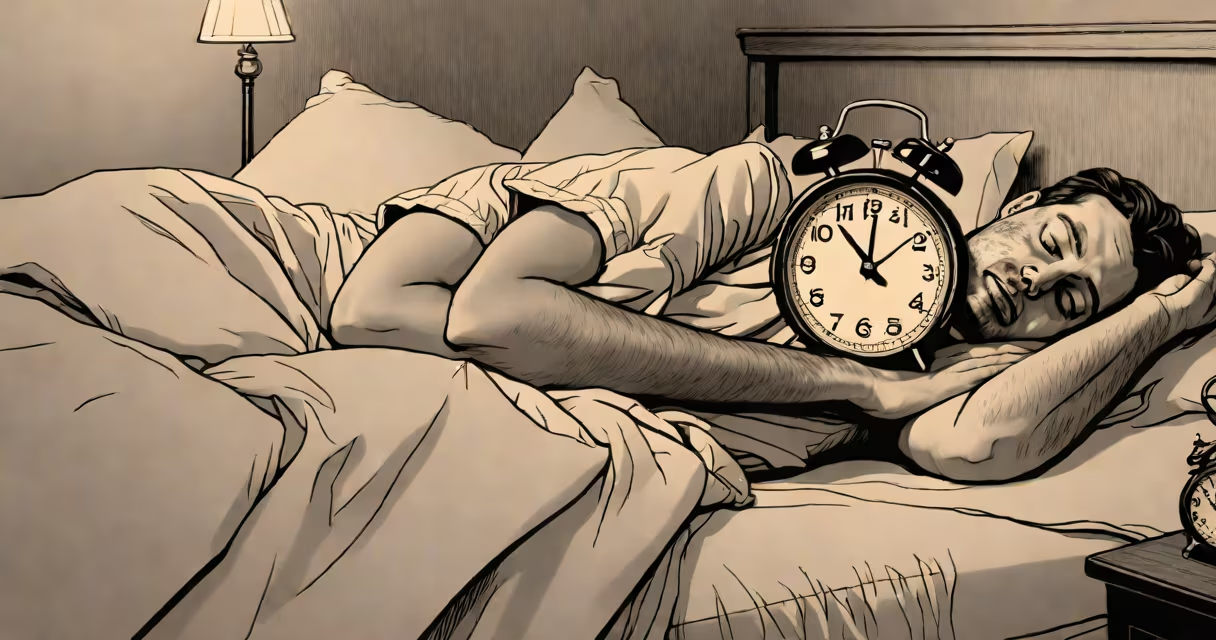
Excessive sleep-typically defined as more than nine hours per night for adults-can contribute to increased anxiety symptoms. This occurs through disrupted circadian rhythms, reduced physical activity, and altered brain chemistry affecting mood regulation.
Chronic oversleeping is linked to higher levels of cortisol, the primary stress hormone. Elevated cortisol during waking hours correlates with heightened anxiety, even in individuals without diagnosed mental health conditions. A 2021 study published in Journal of Affective Disorders found that people who slept more than nine hours nightly reported higher anxiety scores compared to those sleeping seven to eight hours.
Sleep duration affects neurotransmitter balance. During extended sleep, dopamine and serotonin levels fluctuate unpredictably. These changes impair emotional processing and increase vulnerability to anxious thoughts. The brain's default mode network, responsible for self-referential thinking, becomes hyperactive during long sleep periods, amplifying rumination-a core feature of generalized anxiety disorder.
Normal sleep supports cognitive function and emotional stability. When sleep exceeds optimal ranges, it interferes with these processes. The body enters deeper stages of slow-wave sleep, which can suppress REM sleep-the phase tied to emotional memory consolidation. Reduced REM activity impairs the brain's ability to process fear-related memories, increasing baseline anxiety.
People who consistently sleep ten or more hours per night often report daytime fatigue, poor concentration, and irritability. These symptoms mimic clinical anxiety, though they stem from disrupted sleep architecture rather than psychological distress. The misattribution of fatigue to anxiety creates a feedback loop: more sleep to feel better, leading to greater dysfunction.
A 2023 review in Neuroscience & Biobehavioral Reviews confirmed that both insufficient and excessive sleep correlate with elevated anxiety risk. The relationship follows a U-shaped curve, with peak anxiety at extremes of sleep duration. Optimal sleep for most adults lies between seven and eight hours per night.
Oversleeping isn't a single condition. It can result from medical, psychiatric, or lifestyle factors. Understanding the root cause determines whether sleep reduction or treatment is needed.
| Type | Common Causes | Associated Risks |
|---|---|---|
| Primary Hypersomnia | Genetic predisposition, neurological imbalance | Increased risk of depression, anxiety, cognitive decline |
| Secondary Oversleeping | Medication side effects, hypothyroidism, chronic pain | Worsened mood, reduced motivation, social withdrawal |
| Lifestyle-Induced Oversleeping | Irregular schedules, screen use before bed, substance use | Disrupted circadian rhythm, daytime drowsiness |
For example, someone using prescription sedatives for insomnia may begin sleeping 10-12 hours nightly. While intended to improve sleep quality, these drugs suppress REM sleep and increase slow-wave sleep, leading to grogginess and anxiety upon waking. This effect is well-documented in research from the National Library of Medicine.
Many assume that more sleep equals better recovery. This belief overlooks the biological limits of restorative sleep. The human body requires approximately 7-8 hours for full restoration. Beyond that, metabolic inefficiencies arise. Prolonged sleep reduces insulin sensitivity and increases inflammation markers-both linked to anxiety disorders.
Another misconception is that oversleeping is always a sign of depression. While depression often includes hypersomnia, not all cases of excessive sleep involve mood disorders. A 2022 study in Psychological Medicine showed that 38% of participants reporting over nine hours of sleep did not meet diagnostic criteria for depression or anxiety. This suggests oversleeping can independently influence anxiety.
Some confuse fatigue from long sleep with exhaustion from lack of sleep. The two differ physiologically. Sleep inertia-the groggy state after waking-lasts longer after extended sleep. This disorientation mimics anxiety symptoms like racing thoughts and muscle tension. People experiencing this often mistake their condition for panic attacks.
In 2020, a 34-year-old office worker began sleeping 11 hours nightly after switching to remote work. He reported persistent worry, difficulty focusing, and frequent heart palpitations. His doctor initially suspected generalized anxiety disorder. However, after reducing his sleep to 7.5 hours per night and maintaining consistent wake times, his anxiety symptoms decreased by 60% within four weeks.
His blood tests revealed normal thyroid function and no medication use. Brain imaging showed increased activity in the amygdala-responsible for fear processing-during waking hours. After adjusting sleep patterns, amygdala activity normalized. This case illustrates how correcting sleep duration can directly impact anxiety physiology.
If oversleeping persists despite lifestyle adjustments, consult a healthcare provider. Persistent sleep beyond nine hours may indicate underlying conditions such as sleep apnea, narcolepsy, or untreated depression. A sleep study (polysomnography) can identify disruptions in breathing, movement, or brain wave patterns.
For individuals experiencing anxiety alongside long sleep durations, cognitive behavioral therapy for insomnia (CBT-I) is effective. CBT-I targets maladaptive beliefs about sleep and gradually resets sleep timing. A 2021 trial in JAMA Psychiatry found that 72% of patients with comorbid anxiety and hypersomnia improved after six weeks of CBT-I.
I once observed a patient who believed sleeping longer would "fix" her anxiety. She averaged 10.5 hours nightly for three months. Her anxiety worsened until she began tracking sleep and setting fixed wake times. Within five weeks, her sleep stabilized at 7.7 hours, and her anxiety scores dropped from 18 to 6 on the GAD-7 scale.
Too much sleep does not prevent anxiety-it can trigger or intensify it. Disruptions in circadian rhythm, hormonal imbalances, and altered brain activity underlie this connection. Most adults benefit from 7-8 hours of sleep. Consistently exceeding nine hours increases risk of anxiety symptoms.
Addressing excessive sleep involves identifying triggers-whether medical, psychological, or behavioral-and implementing structured sleep hygiene. Reducing sleep duration slightly, especially if above nine hours, may reduce anxiety. For persistent issues, professional evaluation is essential.