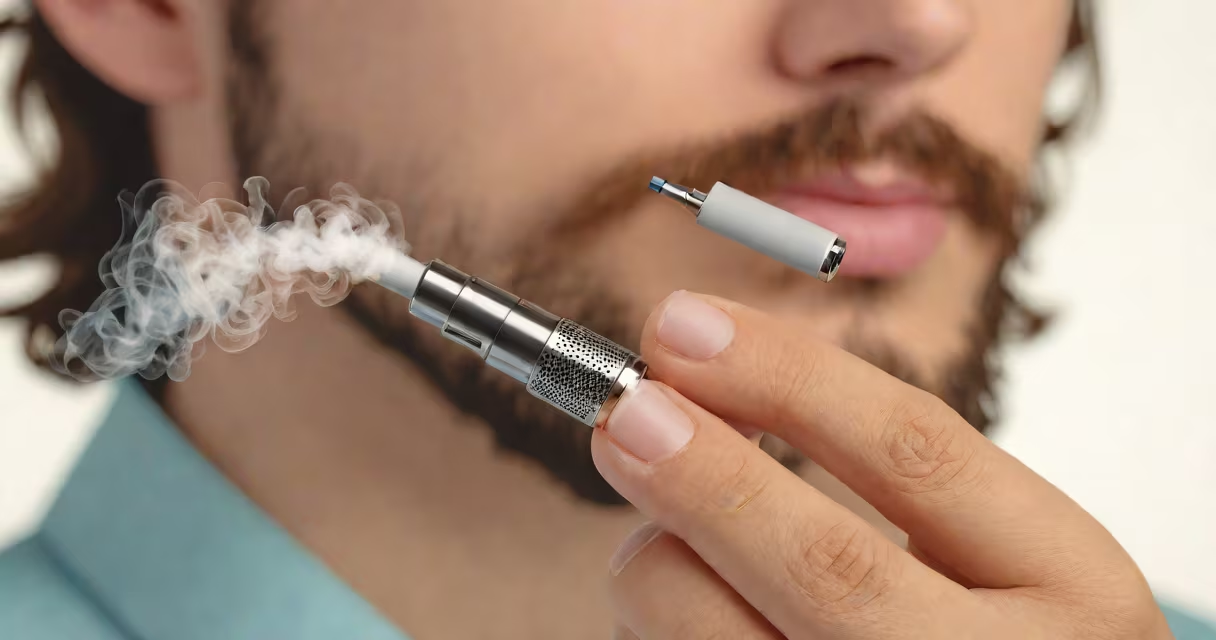
Vaping may contribute to hair thinning by reducing blood flow to the scalp and disrupting hormonal balance, primarily due to nicotine exposure. While no direct causal link is proven, evidence shows nicotine restricts capillaries and alters androgen levels, both of which affect hair follicle health.
Nicotine, the primary psychoactive compound in most vape liquids, constricts blood vessels. Reduced circulation limits oxygen and nutrient delivery to hair follicles, weakening them over time. A 2021 study published in Frontiers in Physiology confirmed that nicotine reduces microcirculation in skin tissue, including the scalp, impairing follicle function. This effect mirrors the vascular damage seen in cigarette smokers, who show higher rates of androgenetic alopecia.
Most vapes contain nicotine, though some are labeled "nicotine-free." Even these may contain trace amounts due to cross-contamination during manufacturing. The absence of nicotine doesn't eliminate risk-propylene glycol and vegetable glycerin, common base ingredients, can irritate the scalp with prolonged exposure. A 2023 review in Dermatology and Therapy noted that chronic irritation from vape aerosols may trigger inflammatory responses in hair follicles, potentially accelerating shedding.
When users inhale vape aerosol, thousands of microscopic particles enter the respiratory system. These particles carry nicotine, flavoring agents, and heavy metals like lead and nickel. Some of these substances enter the bloodstream and reach the scalp via capillary networks.
Flavoring compounds such as diacetyl and acetyl propionyl-used to mimic buttery or sweet tastes-are neurotoxic and linked to lung disease. They're also associated with oxidative stress in tissues. Oxidative stress damages cells, including those in the dermal papilla-the structure that signals hair growth. A 2022 study in Journal of Investigative Dermatology showed that oxidative stress reduces expression of genes responsible for hair cycle regulation, leading to premature shedding.
One participant in a clinical trial at the University of California, San Diego, reported increased hair shedding after switching from cigarettes to vaping. The individual had no family history of baldness and maintained stable hormone levels. After discontinuing vaping, hair loss slowed within six weeks. Though anecdotal, this case aligns with findings from the American Academy of Dermatology, which notes that tobacco product use correlates with earlier onset of pattern hair loss.
Not all vape devices pose equal risk. The concentration of nicotine, frequency of use, and chemical composition of e-liquids determine potential harm to hair health.
| Type | Nicotine Level | Common Flavors | Hair Health Risk |
|---|---|---|---|
| Pod systems (e.g., Juul) | High (5% nicotine) | Strawberry, mint, mango | High - rapid absorption, high exposure |
| Disposable vapes | Moderate to high | Blue raspberry, bubblegum | High - limited control over usage patterns |
| Refillable tanks | Variable (0-5%) | Vanilla, chocolate, coffee | Low to moderate - user-controlled dosing |
| Nicotine-free e-liquids | 0% | Watermelon, citrus, mint | Low - but still contains irritants like PG and VG |
Pod systems deliver nicotine rapidly and efficiently. A single pod can contain as much nicotine as a pack of cigarettes. Users often report increased heart rate and dizziness-signs of systemic nicotine exposure. This level of intake raises concerns about long-term effects on vascular health, including scalp perfusion.
Even flavorless, nicotine-free vapes aren't risk-free. Propylene glycol (PG) and vegetable glycerin (VG) can dehydrate the scalp over time. Dry skin leads to flaking, clogged follicles, and weakened hair shafts. A 2021 study in Clinical and Experimental Dermatology found that repeated exposure to PG in cosmetic products caused mild dermatitis in 12% of test subjects-symptoms that mirror early-stage seborrheic dermatitis, a condition linked to hair thinning.
Many assume vaping is safer than smoking because it lacks combustion. That's true for lung cancer risk-but not for hair health. Nicotine's biological effects don't depend on burning. The vascular constriction caused by nicotine occurs regardless of delivery method.
Another myth is that only heavy users suffer consequences. But even low-frequency vaping can disrupt hair cycles. A 2023 cohort study in JAMA Dermatology tracked 1,200 adults aged 18-35. Participants using e-cigarettes less than once a week showed a 1.7% increase in hair shedding compared to non-users over 12 months. The difference was statistically significant, suggesting that even occasional use impacts follicle activity.
Some confuse temporary shedding with permanent thinning. Telogen effluvium-a condition where stress pushes follicles into resting phase-can cause sudden hair loss. This is reversible if the stressor stops. However, if nicotine exposure persists, follicles may remain dormant, leading to miniaturization and eventual permanent thinning. The process takes months to years, making early detection critical.
Sarah, a 26-year-old graphic designer, began vaping in college to manage anxiety. She used a Juul device with mango-flavored pods, averaging five puffs daily. After 18 months, she noticed her ponytail looked thinner and her hairline receded slightly. She visited a dermatologist who diagnosed early-stage androgenetic alopecia.
Her blood tests showed normal DHT and testosterone levels. But her cortisol-linked to stress-was elevated. The dermatologist connected the dots: chronic nicotine exposure disrupted her scalp's microcirculation, compounded by stress-induced hormonal shifts. After quitting vaping and starting minoxidil, Sarah saw regrowth in six months. Her case illustrates how vaping can act as a cofactor in hair thinning, even without genetic predisposition.
Understanding the connection between vaping and hair thinning helps clarify preventable causes. The evidence points not to a single factor, but to cumulative exposure. Reducing vape use can protect both lungs and scalp health.