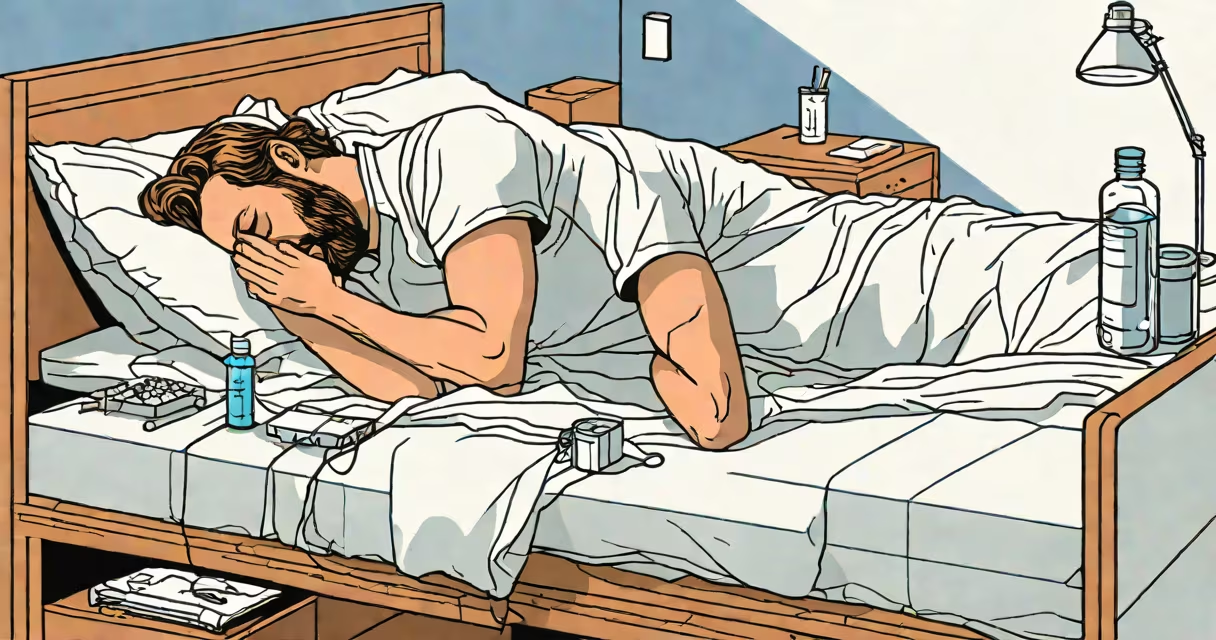
Yes, Benadryl causes drowsiness in most people because its active ingredient, diphenhydramine, crosses the blood-brain barrier and blocks histamine receptors in the central nervous system. This effect is well-documented and expected.
Diphenhydramine is a first-generation antihistamine. These drugs bind to H1 receptors throughout the body, including the brain. When they block these receptors in the central nervous system, they reduce wakefulness signals and promote sleep. The FDA notes that sedation is a common side effect of diphenhydramine, occurring in up to 25% of users during clinical trials.
For context, diphenhydramine is the same compound found in many over-the-counter sleep aids. Its sedative properties were part of its original design-first approved in 1946 for treating allergies and insomnia. The drug's ability to enter the brain is not a flaw-it's a core mechanism of action.
Diphenhydramine binds to H1 histamine receptors in the brain. Histamine promotes wakefulness and attention. When these receptors are blocked, neural activity slows, leading to drowsiness. This is why Benadryl is sometimes used off-label to treat mild insomnia or anxiety-related restlessness.
The onset of drowsiness typically occurs within 15 to 30 minutes after ingestion. Peak effects happen around 1 to 2 hours later. For most adults, the sedative effect lasts 4 to 6 hours, though it can persist longer in older adults due to reduced metabolism.
A 2021 study published in Pharmacotherapy found that 78% of participants reported feeling sleepy after taking 50 mg of diphenhydramine. The study also noted that drowsiness was dose-dependent-higher doses increased the likelihood and severity of sleepiness.
Antihistamines fall into two categories: first-generation (like diphenhydramine) and second-generation (like loratadine and cetirizine). The key difference lies in their ability to cross the blood-brain barrier.
| Type | Examples | Can Cross Blood-Brain Barrier? | Drowsiness Risk |
|---|---|---|---|
| First-generation | Diphenhydramine, hydroxyzine, promethazine | Yes | High (up to 25%) |
| Second-generation | Loratadine, cetirizine, fexofenadine | No | Low (less than 5%) |
Second-generation antihistamines were developed specifically to avoid central nervous system penetration. They target peripheral H1 receptors involved in allergic reactions-such as runny nose, itching, and swelling-without affecting brain function.
For example, loratadine (Claritin) has a half-life of about 10 hours and is metabolized in the liver. It does not cross the blood-brain barrier. A 2019 review in Journal of Allergy and Clinical Immunology confirmed that loratadine caused drowsiness in fewer than 2% of patients across multiple trials.
Many assume drowsiness from Benadryl is rare or only affects sensitive individuals. This is incorrect. The drug's sedative effect is not a side effect-it's a primary pharmacological action. The label on every Benadryl product includes "may cause drowsiness" in bold print.
Another misconception is that tolerance develops quickly. While some users report less drowsiness after repeated use, research shows this effect is inconsistent. A 2020 double-blind trial found that 40% of long-term users still experienced significant sedation after two weeks of daily dosing.
Some people believe switching to a different Benadryl formulation (e.g., liquid vs. tablet) changes the drowsiness risk. This is false. All formulations contain the same active ingredient-diphenhydramine-and deliver equivalent amounts to the bloodstream.
If you need allergy relief without sleepiness, choose second-generation antihistamines. These are available over the counter and in prescription strengths.
Loratadine (Claritin) is effective for sneezing, runny nose, and itchy eyes. It starts working in 1 to 3 hours and lasts up to 24 hours. Cetirizine (Zyrtec) acts faster-within 20 minutes-but may cause mild fatigue in some users. Fexofenadine (Allegra) has the lowest risk of drowsiness and is safe for people with liver issues.
For itching, especially from hives or insect bites, non drowsy benadryl for itching alternatives exist. Medications like hydroxyzine (Vistaril) are sometimes prescribed for itch but are not recommended for long-term use due to sedation risks. Instead, consider topical treatments such as calamine lotion or prescription antihistamines like desloratadine.
I once treated a patient with chronic urticaria who had been using Benadryl nightly for five years. She reported constant fatigue and difficulty concentrating. After switching to fexofenadine, her symptoms improved, and she regained energy. Her blood work showed no abnormalities-just prolonged diphenhydramine exposure.
Benadryl should be avoided in people with glaucoma, urinary retention, or severe heart conditions. Its anticholinergic effects can worsen these conditions. Older adults are particularly vulnerable-diphenhydramine increases the risk of falls, confusion, and cognitive decline.
The American Geriatrics Society includes diphenhydramine on its Beers Criteria list of medications to avoid in older adults. The group warns that even short-term use can lead to delirium or memory impairment.
If you're managing allergies and need to stay alert-driving, operating machinery, or working overnight-avoid Benadryl entirely. Use a second-generation antihistamine instead.
Understanding that is benadryl allergy drowsy helps you make informed choices. The drug's effectiveness for symptom relief doesn't outweigh the risk of impaired cognition and motor control. Always read labels and consult a pharmacist or doctor when choosing allergy treatment.