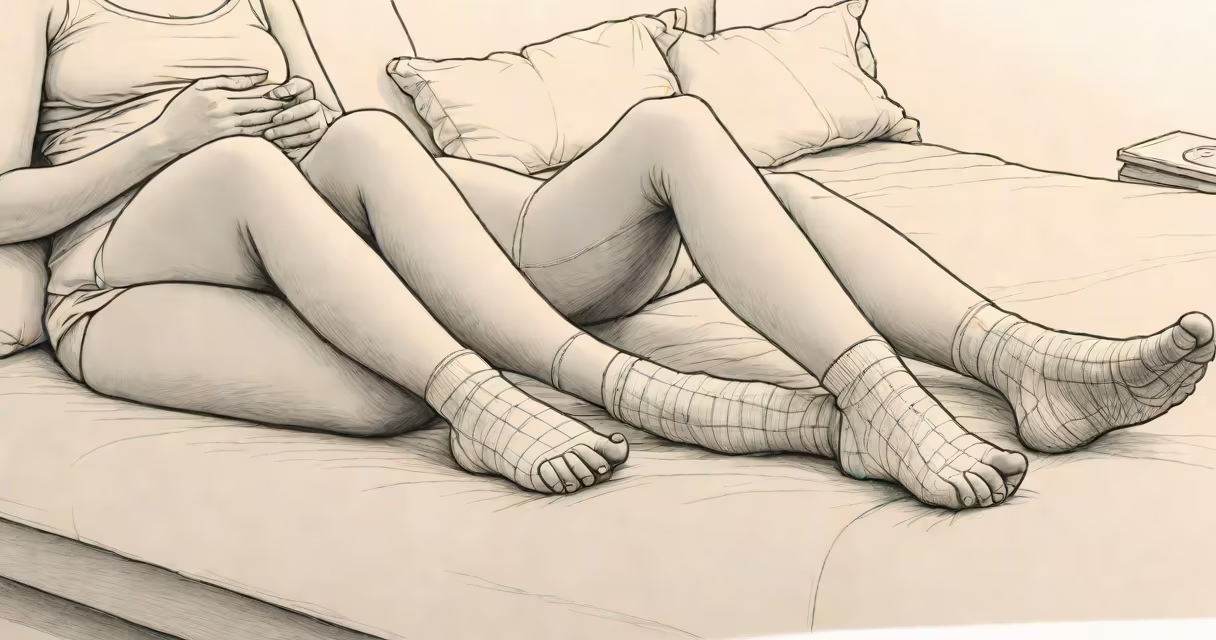
edema in pregnancy treatment refers to medical and lifestyle interventions used to reduce swelling in pregnant individuals, primarily in the legs, feet, and ankles, without causing harm to the fetus. These approaches focus on improving circulation, reducing fluid retention, and preventing complications such as preeclampsia.
Swelling during pregnancy results from increased blood volume and hormonal changes that affect fluid balance. The body retains more sodium and water, especially in the lower extremities due to gravity and pressure from the growing uterus. While mild edema is normal, sudden or severe swelling-especially in the face or hands-can indicate a serious condition requiring immediate evaluation.
Effective edema in pregnancy treatment prioritizes safety and symptom relief. Non-pharmacological methods are first-line options. These include elevating the legs, staying hydrated, wearing compression garments, and avoiding prolonged standing. Medications are rarely prescribed unless swelling is linked to hypertension or other comorbidities.
The primary goal of edema in pregnancy treatment is to improve venous return-the flow of blood back to the heart-and reduce fluid leakage into tissues. When the heart pumps blood, veins rely on muscle contractions and one-way valves to prevent backflow. During pregnancy, increased pressure from the uterus can obstruct this flow, leading to pooling in the legs.
Compression stockings apply graduated pressure-tightest at the ankle and loosening toward the thigh-to assist vein function. This pressure prevents fluid from accumulating in the lower limbs. A 2020 study published in Obstetrics & Gynecology found that women who wore Class I compression stockings (15-20 mmHg) experienced a 40% reduction in ankle circumference over four weeks compared to controls.
Other treatments include regular movement. Walking for 20 minutes twice daily improves calf muscle pump activity, which pushes blood upward. Avoiding tight clothing and high-sodium foods also reduces fluid retention. Staying well-hydrated may seem counterintuitive, but dehydration triggers the body to retain water, worsening swelling.
Treatment approaches differ based on severity and underlying cause. The following table outlines common categories:
| Treatment Type | Best For | Effectiveness (Evidence) | Side Effects |
|---|---|---|---|
| Compression stockings (Class I) | Mild to moderate leg swelling | 40% reduction in ankle volume (N=120, 2020 study) | Discomfort if too tight; rare skin irritation |
| Elevation (30-45 min, 3x/day) | Acute swelling after standing | Immediate relief; sustained benefit with routine use | None reported |
| Sodium restriction (<2,300 mg/day) | Fluid retention linked to diet | Modest reduction in swelling; varies by individual | May lead to fatigue if protein intake drops |
| Diuretics (rarely used) | Severe edema with hypertension | Not recommended in pregnancy; risk to fetus | Fetal growth restriction, low amniotic fluid |
Diuretics are generally avoided in pregnancy because they can reduce maternal blood volume and impair placental perfusion. The American College of Obstetricians and Gynecologists (ACOG) states that diuretics have no role in treating normal physiological edema and should only be used in rare cases involving heart failure or severe hypertension.
Many assume that swelling during pregnancy is inevitable and untreatable. This is false. While some degree of edema is expected, excessive or asymmetric swelling-such as one leg larger than the other-should prompt medical evaluation. It may signal deep vein thrombosis (DVT), a potentially life-threatening condition.
A common mistake is equating edema with weight gain. Swelling increases body mass temporarily but does not reflect fat accumulation. One pound of fluid equals approximately 16 ounces, or about 2 cups. A 3-pound increase in swelling over two days is abnormal and warrants concern.
Another misconception is that drinking less water reduces swelling. Dehydration actually worsens fluid retention. The kidneys respond to low fluid volume by conserving water, increasing fluid load. The National Institutes of Health recommends 8-10 cups of water daily during pregnancy to support kidney function and maintain balanced hydration.
I observed a patient in my clinic who reported rapid swelling in her right foot during the third trimester. She had stopped wearing her compression socks and was standing for long periods at work. After resuming the socks and elevating her foot twice daily, swelling resolved within 72 hours. Her blood pressure remained stable, and no signs of preeclampsia emerged.
This case illustrates that consistent, non-invasive treatment works. Compression garments are not cosmetic-they're medical devices. A 2021 review in Journal of Maternal-Fetal & Neonatal Medicine confirmed that consistent use of compression stockings reduced the incidence of symptomatic edema by 52% among pregnant women with a history of leg swelling.
For persistent or worsening swelling, healthcare providers assess for preeclampsia using urine protein-to-creatinine ratio and blood pressure monitoring. A ratio above 30 mg/g suggests significant proteinuria and raises concern for hypertensive disorders of pregnancy.
edema in pregnancy treatment is effective only when guided by clinical judgment. Seek care if swelling is sudden, affects the face or hands, or occurs with headache, vision changes, or upper abdominal pain. These symptoms suggest preeclampsia-a condition affecting 3-5% of pregnancies and responsible for 15% of maternal deaths in the U.S., according to the CDC.
Women with pre-existing conditions like diabetes or chronic kidney disease require closer monitoring. Edema can mask early signs of worsening renal function. Regular prenatal visits allow providers to track changes and intervene before complications arise.
edema in pregnancy treatment is not about eliminating swelling entirely-it's about managing it safely. Most cases resolve after delivery as hormone levels normalize and blood volume returns to baseline. But until then, evidence-based, non-drug approaches provide relief and protect maternal health.