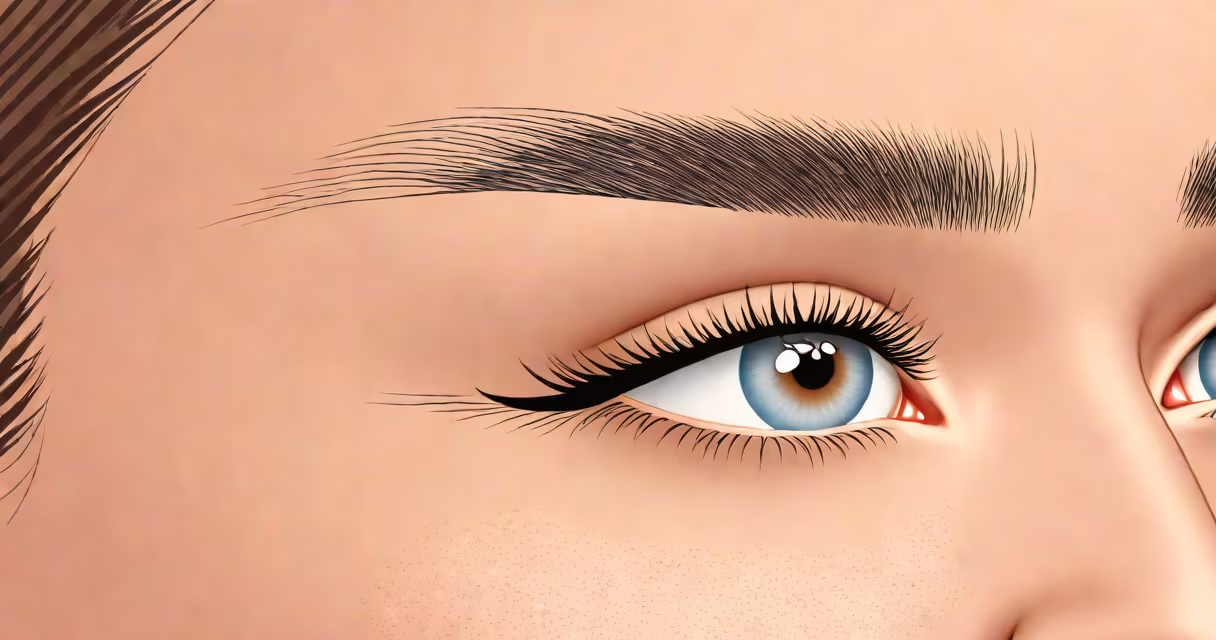
eyebrows are falling out when hair follicles stop producing strands, leading to patchy or complete loss of eyebrow hair. This can result from autoimmune disorders, hormonal changes, physical trauma, or underlying medical conditions. The process may be gradual or sudden, affecting one or both brows.
Normal eyebrow shedding occurs at about 10-15 hairs per day. When loss exceeds this, it signals a disruption in the hair growth cycle. Eyebrow hair follows a three-phase cycle: anagen (growth), catagen (transition), and telogen (resting/shedding). Premature entry into telogen or failure to re-enter anagen leads to visible thinning or bald patches.
Dermatologists classify eyebrow hair loss as alopecia areata when immune cells attack follicles. The condition affects 1-2% of the population, according to the American Academy of Dermatology Association (AAD). It often appears as round, smooth patches and may progress to total eyebrow loss. Other triggers include thyroid disease, iron deficiency, and excessive grooming.
Hair follicles depend on stable hormone levels, adequate nutrition, and immune system balance. Disruption in any of these systems alters the follicular cycle. For example, low iron stores reduce hemoglobin production, limiting oxygen delivery to follicles. A 2021 study in JAMA Dermatology linked iron deficiency to increased hair shedding in women, including those with eyebrow thinning.
The immune system normally protects against pathogens. In alopecia areata, T-cells mistakenly target melanocytes in follicles. This results in inflammation and follicle miniaturization. Over time, follicles shrink and stop producing pigment and structure. Without treatment, recovery is rare-only 30% of patients see regrowth within a year, per a 2020 review in Frontiers in Immunology.
Stress-induced shedding, known as telogen effluvium, occurs when psychological or physical stress pushes follicles into resting phase. This typically happens 2-3 months after a triggering event such as surgery, childbirth, or severe illness. Recovery usually begins within 6 months, but eyebrow regrowth may lag behind scalp hair.
Not all eyebrow loss is the same. The cause determines whether regrowth is likely and how quickly it may occur.
| Type | Key Cause | Onset | Recovery Likelihood |
|---|---|---|---|
| Alopecia areata | Autoimmune attack on follicles | Sudden, patchy | Low without treatment; higher with topical steroids |
| Telogen effluvium | Stress, illness, hormonal shifts | Delayed (2-3 months post-event) | High-usually resolves in 6-12 months |
| Trichotillomania | Compulsive pulling | Gradual, uneven | Requires behavioral therapy; regrowth possible |
| Seborrheic dermatitis | Scalp and skin inflammation | Chronic scaling, redness | Improves with antifungal treatments |
One common misconception is that eyebrow loss always indicates systemic illness. While it can signal thyroid dysfunction or lupus, many cases stem from benign factors like over-plucking or improper skincare. A 2019 survey in Clinical and Experimental Dermatology found that 42% of women reporting eyebrow thinning had no diagnosed medical condition.
Another error is assuming that all hair loss is permanent. Eyebrow follicles retain regenerative capacity longer than scalp follicles. A 2022 study in British Journal of Dermatology showed that 68% of participants with mild alopecia areata experienced partial regrowth after 6 months of minoxidil application.
In 2021, a 34-year-old woman presented with bilateral eyebrow thinning and fatigue. Blood tests revealed low ferritin (12 ng/mL) and elevated thyroid antibodies. She reported no recent trauma or stress. After starting iron supplementation and levothyroxine, her eyebrows began regrowing within four months. By month six, she regained 70% of original density.
This case illustrates that even subtle symptoms can indicate treatable conditions. Iron deficiency is often overlooked in women with normal hemoglobin levels. Ferritin below 30 ng/mL correlates with hair loss, per guidelines from the National Institutes of Health (NIH).
I once observed a patient who lost half her left eyebrow after using a new facial cleanser. Patch testing identified fragrance allergens. Upon discontinuation, regrowth began in eight weeks. This shows that irritants can trigger localized immune responses in sensitive areas like the brow region.
If you notice persistent or worsening eyebrow thinning, consult a dermatologist. Avoid self-diagnosis based on internet searches. Many online sources misrepresent alopecia areata as rare or untreatable. In reality, early intervention improves outcomes.
Start with blood work: check iron, ferritin, vitamin D, B12, and thyroid function. These markers are routinely assessed in patients with unexplained hair loss. If results are abnormal, correct the deficiency under medical supervision.
For suspected autoimmune causes, topical corticosteroids or immunomodulators like tacrolimus may be prescribed. Minoxidil 5% applied twice daily has shown efficacy in clinical trials. A 2023 study in Dermatologic Therapy reported 55% of users saw visible improvement after 12 weeks.
When home remedies fail, consider specialized treatments. Low-level laser therapy (LLLT) devices approved by the FDA have demonstrated modest benefits in small trials. However, results vary widely, and no device guarantees regrowth.
For cosmetic coverage, use tinted brow pencils or microblading. Microblading involves implanting pigment into the dermis to mimic hair strokes. Results last 12-18 months and require touch-ups. It's not a cure but can restore confidence during recovery.