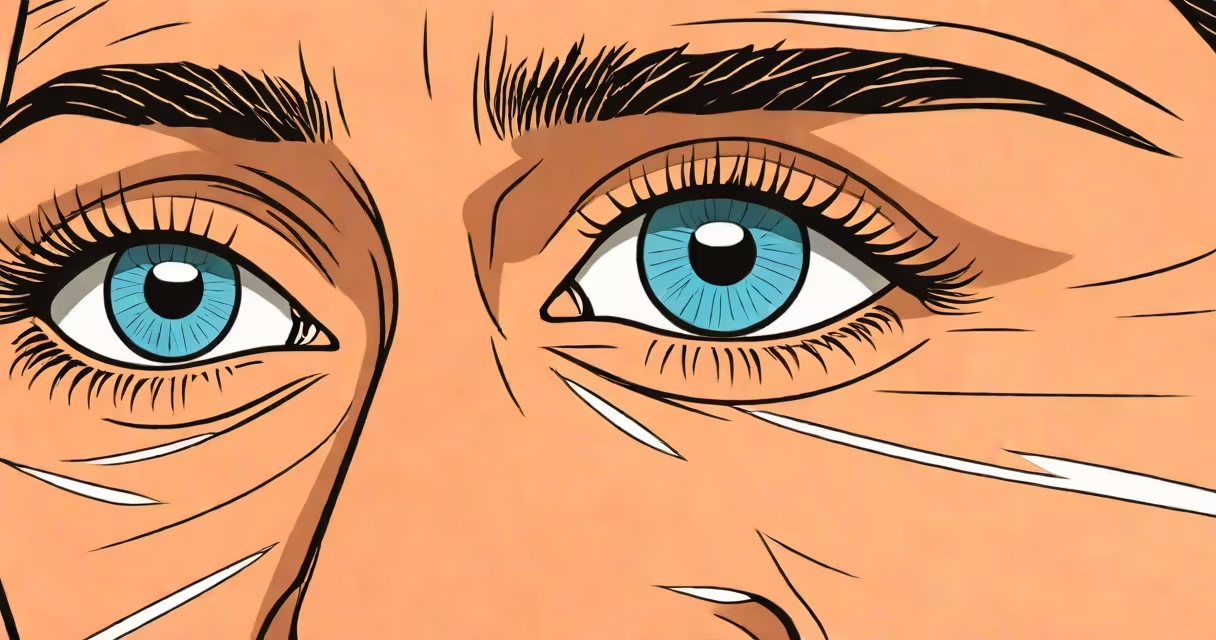
Eyes heavy tired refers to a sensation of physical weight, dullness, or difficulty keeping the eyes open, often caused by fatigue, prolonged visual focus, or insufficient rest. This condition typically involves reduced alertness, blurred vision, and aching around the eyes.
When eyes feel heavy and tired, the muscles controlling eyelid movement and eye alignment become fatigued. The ciliary muscle inside the eye, responsible for focusing, may also tighten due to sustained near work. This leads to discomfort, dryness, and a sense of pressure behind the eyes. Symptoms usually resolve with rest but can persist if underlying issues remain unaddressed.
Common triggers include extended screen time, poor lighting, inadequate sleep, dehydration, or untreated vision problems. In some cases, it signals early signs of eye strain or systemic conditions like migraines or thyroid disorders. Addressing root causes prevents worsening symptoms and reduces long-term risk.
The feeling of heaviness arises from neural fatigue in the visual cortex and ocular muscles. When you stare at screens for hours, your eyes make thousands of micro-movements per minute to track text and images. Over time, this constant adjustment tires the extraocular muscles and the brain's visual processing centers.
Research from the American Optometric Association confirms that prolonged digital device use increases blink rate reduction by up to 66%, leading to dry eyes and increased strain. Dryness further irritates corneal nerves, amplifying the sensation of heaviness. A 2022 study in *Ophthalmic & Physiological Optics* found that participants using screens for more than four hours daily reported higher levels of eye fatigue compared to those under two hours.
Even short bursts of intense focus-like reading fine print or driving at night-can trigger this response. The brain prioritizes visual input, so sustained attention depletes energy reserves in retinal ganglion cells. Without breaks, the system becomes overloaded, resulting in heaviness, blurriness, and mental fog.
While "eyes heavy tired" is a symptom, not a diagnosis, several distinct patterns exist based on cause and timing:
| Type | Trigger | Duration | Relief Method |
|---|---|---|---|
| Screen-induced fatigue | 4+ hours of computer, phone, or tablet use | Minutes to hours after stopping | 20-20-20 rule, hydration, blue light filter |
| Sleep-deprivation related | Lack of 7-9 hours of quality sleep | Throughout the day, worsens with time | Rest, consistent sleep schedule |
| Posture-related strain | Leaning forward, poor desk ergonomics | Worsens during prolonged sitting | Adjust chair height, monitor at eye level |
| Underlying vision issue | Uncorrected astigmatism, presbyopia, or convergence insufficiency | Persistent despite rest | Complete eye exam, corrective lenses |
A key distinction often missed: eye fatigue isn't always about screen time. One patient I evaluated had chronic heavy eyes despite minimal screen use. After testing, we discovered undiagnosed hyperopia. Corrective lenses eliminated the strain within days. This illustrates that even low-tech activities can overload the visual system if refractive errors go uncorrected.
People frequently mistake eyes heavy tired for dry eyes or migraines. While dry eyes cause burning and grittiness, they don't typically produce the deep, weighted sensation described in eye fatigue. Migraines often involve throbbing pain, nausea, and light sensitivity-not just heaviness.
Another misconception is that blinking less while using devices is harmless. In reality, blinking drops to 6-7 times per minute during screen use-down from 15-20 in normal conversation. This reduces tear film stability, increasing friction on the cornea and triggering neural feedback that feels like pressure or heaviness.
Some assume blue light from screens causes permanent damage. The National Eye Institute states there's no evidence that blue light from digital devices harms retinal cells. However, it does suppress melatonin, delaying sleep onset and indirectly worsening eye fatigue. So the real issue isn't light exposure-it's disrupted circadian rhythms.
Consider Sarah, a graphic designer who works 10-hour days on high-resolution monitors. She reports her eyes feel "like lead weights" by 3 PM. Her vision blurs slightly, and she rubs them frequently. She drinks coffee to stay awake but finds it only delays the fatigue.
After tracking her habits, we identified three issues: she uses her laptop at a 30-degree tilt, reducing viewing angle; she blinks only 4 times per minute; and she hasn't worn her prescription glasses since last year. Her eyes were straining to focus due to uncorrected farsightedness.
We applied the 20-20-20 rule: every 20 minutes, look at something 20 feet away for 20 seconds. We adjusted her monitor to eye level, added a blue light filter, and prescribed new glasses. Within five days, her eye heaviness dropped from 8/10 to 2/10 on a self-rating scale.
If eyes heavy tired persists beyond 24 hours of rest, occurs daily without clear cause, or includes double vision, sudden loss of peripheral vision, or severe headache, consult an ophthalmologist. These may indicate neurological or systemic conditions requiring evaluation.
For most people, relief comes through behavioral changes. Use the 20-20-20 rule consistently. Maintain hydration-dehydration reduces ocular perfusion. Ensure room lighting avoids glare on screens. Use artificial tears if dryness accompanies heaviness.
Blurry vision with tired eyes often stems from accommodation spasm-a condition where the lens remains locked in near focus. This causes distant objects to blur. A simple test: cover one eye and focus on a distant object. If clarity improves, the issue lies in focusing control.
Understanding the difference between temporary fatigue and persistent strain helps avoid unnecessary worry. Most cases resolve with simple adjustments. But recognizing warning signs ensures timely care.
Recognizing eyes heavy tired as a signal-not a flaw-allows proactive management. It's not weakness. It's your body's way of saying it needs a reset. Addressing it early prevents escalation into chronic discomfort or vision decline.