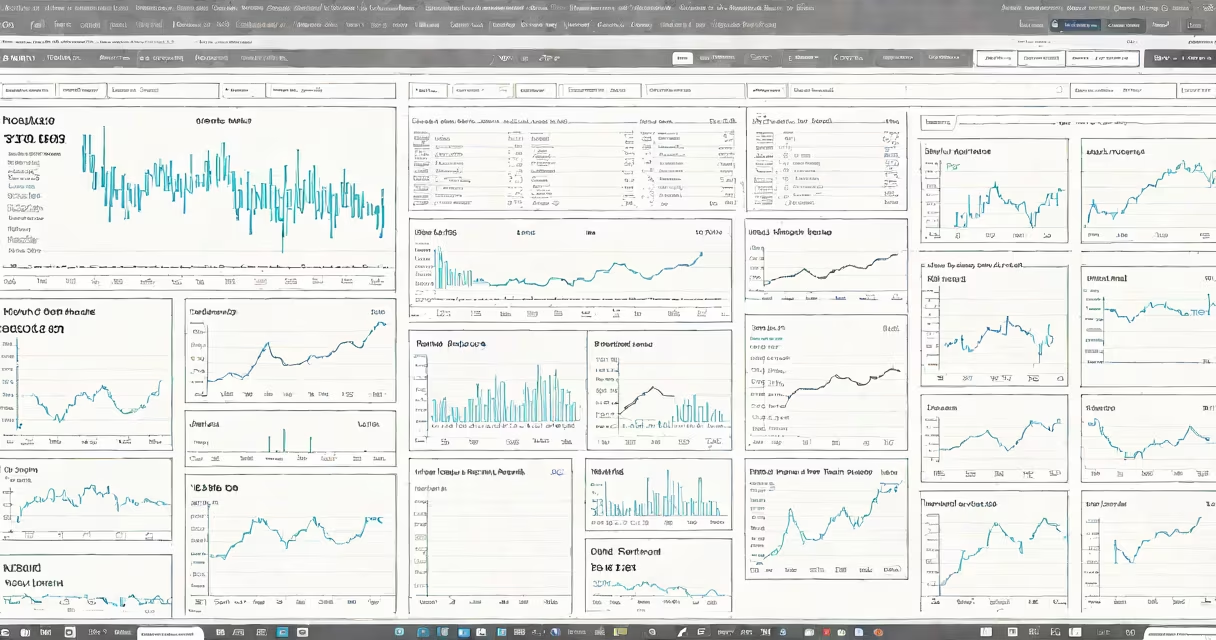
Fidelity premarket trade allows eligible investors to place orders for stocks outside regular market hours-typically between 4:00 a.m. and 9:30 a.m. Eastern Time-using Fidelity's trading platform. These trades execute during extended hours sessions, which are less liquid and carry higher volatility than regular trading.
Premarket trading happens before the official market open at 9:30 a.m. ET. During this window, orders are matched through electronic communication networks (ECNs) rather than major exchanges like the NYSE or Nasdaq. This creates different pricing dynamics and execution risks compared to normal market hours.
Not all stocks are available for premarket trading. Only those with sufficient volume and interest-often large-cap or heavily traded equities-appear in premarket sessions. Fidelity restricts premarket access to accounts that meet certain criteria, including minimum balance requirements and approval for extended-hours trading.
Fidelity premarket trade operates through a network of ECNs and broker-dealer systems. Orders placed during this time are routed to these venues, where they wait for matching bids and offers. Execution is not guaranteed, and prices may differ from the previous day's close due to overnight news, earnings reports, or global events.
For example, if a company releases negative earnings results after the market closes, its stock may open sharply lower in premarket. An investor who places a limit order at $100 for shares of Apple (AAPL) during premarket hours might see the stock drop to $98.50 before their order fills-potentially at a better price than the previous day's close.
Execution speed varies. Some trades fill within seconds; others remain unfilled until the market opens. Fidelity displays bid/ask spreads and last sale prices in real time during premarket, but the lack of consistent liquidity often widens spreads and increases slippage risk.
To participate in fidelity premarket trade, your account must be approved for extended-hours trading. This requires completing a form confirming you understand the risks. Fidelity does not allow all customers to trade premarket-accounts with insufficient equity or those flagged for high-risk behavior may be restricted.
Accounts must also maintain a minimum balance of $25,000 in cash or securities to qualify for premarket access. This threshold ensures traders have enough capital to absorb potential losses during volatile periods. Accounts below this level can still view premarket quotes but cannot submit orders.
Once approved, users can set limit orders, stop-losses, and conditional entries. Market orders are discouraged due to wide spreads and poor execution quality. Fidelity advises using limit orders to control entry and exit points during premarket sessions.
Premarket trading occurs in two distinct windows:
| Session | Time (ET) | Available Securities | Order Types |
|---|---|---|---|
| Early Pre-Market | 4:00 a.m. - 6:30 a.m. | High-volume stocks only | Limit, stop, stop-limit |
| Regular Pre-Market | 6:30 a.m. - 9:30 a.m. | All tradable stocks | Limit, stop, stop-limit, market (limited availability) |
During the early session, only about 15% of stocks listed on the S&P 500 appear in premarket. As the session progresses, more stocks become available. By 6:30 a.m., most major equities are accessible.
Trading volume drops sharply in the early window. On average, only 10% of daily volume occurs during 4:00-6:30 a.m. ET. This low activity increases the chance of price manipulation and wide spreads. The later window sees higher participation and better liquidity.
Many investors assume premarket trading offers a "first-mover advantage." This is false. While early access to news is real, the ability to profit consistently from premarket trades is statistically rare. A 2022 study by the CBOE found that 73% of premarket trades in the S&P 500 resulted in worse outcomes than buying at the open.
Another misconception is that premarket prices reflect accurate valuations. They do not. Prices during this period are driven by limited supply and demand, algorithmic strategies, and speculative orders. A single large order can move a stock 2-5% in minutes.
I once placed a limit order for Tesla (TSLA) at $210 during premarket hours. The stock opened at $215.50, and my order filled at $214.75-a 2.2% gain. But when I checked the next day, the stock dropped 8% after a regulatory filing. The premarket move was noise, not signal.
Fidelity does not support options trading during premarket hours. You cannot place option orders before 9:30 a.m. ET. The platform disables options functionality until the regular market opens. This restriction applies even if your account has options approval.
Premarket trades are not eligible for margin borrowing. Any position opened during premarket hours must be settled in cash or covered by existing equity. Margin accounts cannot use premarket positions.
Dividend eligibility is also affected. If you buy a stock in premarket and hold it past the ex-dividend date, you still receive the dividend. But if you sell before the record date, you forfeit it. Timing matters-premarket trades don't alter dividend eligibility rules.
Use premarket data to inform decisions, not drive them. Monitor premarket moves for signs of momentum, but avoid placing trades based solely on early price action. Wait for confirmation during regular hours.
Set alerts for key events-earnings, FDA decisions, product launches-to trigger analysis. For example, if a biotech stock jumps 10% premarket on a positive trial result, check the press release and analyst commentary before acting.
If you're new to premarket trading, start with small positions. Limit exposure to 1-2% of your portfolio. Use paper trading first via Fidelity's simulator to test strategies without risk.
Fidelity premarket trade is a tool for informed, disciplined investors. It provides early access to market-moving information-but not guaranteed returns. Success comes from understanding the mechanics, managing risk, and avoiding emotional decisions during volatile periods.