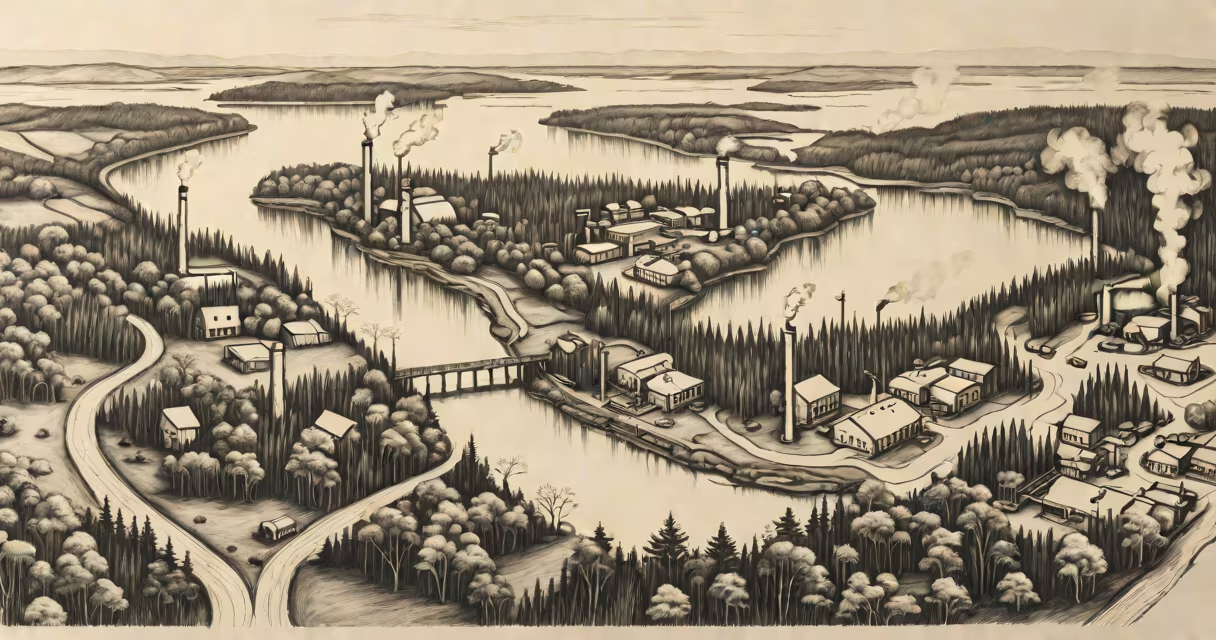
Environmental effects are measurable changes in ecosystems, air, water, or soil caused by human actions or natural phenomena. These include pollution, habitat loss, climate shifts, and biodiversity decline. The term covers both immediate impacts-like oil spills-and long-term shifts such as ocean acidification.
These effects result from interactions between biological, chemical, and physical processes in nature. For example, burning fossil fuels releases carbon dioxide and sulfur dioxide, which alter atmospheric chemistry and lead to acid rain. Such changes degrade forests, damage aquatic life, and reduce crop yields. The World Health Organization reports that air pollution contributes to 7 million premature deaths annually, highlighting the direct link between environmental effects and public health.
Environmental effects are not uniform. A single pollutant may harm aquatic species while benefiting certain soil microbes. Understanding these outcomes requires tracking specific substances, their concentrations, exposure duration, and affected species. Monitoring tools like satellite imagery, air sensors, and bioindicators help quantify these impacts.
Environmental effects occur through cause-and-effect chains involving energy flows, material cycles, and biological responses. When a factory emits sulfur dioxide (SO₂), it enters the atmosphere and reacts with water vapor to form sulfuric acid. This acid falls as precipitation, lowering the pH of lakes and streams. Aquatic organisms sensitive to acidity-such as trout and amphibians-experience reproductive failure or death.
Soil chemistry also shifts. Acid rain leaches essential nutrients like calcium and magnesium from the soil while increasing aluminum solubility. Aluminum toxicity damages plant roots, reducing forest growth. In the Adirondack Mountains, over 50% of lakes became too acidic for fish survival between 1960 and 1990 due to regional SO₂ emissions.
Effects can compound across systems. For instance, deforestation reduces carbon sequestration, accelerating global warming. Warmer temperatures then increase evaporation rates, altering rainfall patterns. Droughts follow, stressing agriculture and increasing wildfire risk. These cascading changes illustrate how isolated events trigger widespread ecological disruption.
Environmental effects fall into categories based on medium and mechanism:
| Type | Primary Cause | Common Impact | Example |
|---|---|---|---|
| Air pollution | Vehicle exhaust, industrial emissions | Respiratory illness, acid rain, ozone depletion | Sulfur dioxide from coal plants causes respiratory issues in urban populations. |
| Water contamination | Chemical runoff, sewage discharge | Harm to aquatic life, toxic food chains | Mercury from mining contaminates fish in the Amazon, leading to neurological damage in indigenous communities. |
| Habitat destruction | Urban expansion, logging, mining | Biodiversity loss, species extinction | Deforestation in Borneo reduced orangutan habitat by 50% between 1990 and 2010. |
| Climate change | Greenhouse gas accumulation | Rising sea levels, extreme weather | Increased frequency of Category 4 hurricanes in the Atlantic since 1980. |
Each effect operates within a threshold. Below a certain concentration, a substance may not harm ecosystems. But exceeding safe limits triggers irreversible damage. The U.S. Environmental Protection Agency sets maximum allowable levels for pollutants like lead and nitrogen oxides based on decades of field research.
Some effects are delayed. PCBs (polychlorinated biphenyls) were widely used in electrical equipment until banned in 1979. They persist in sediments and accumulate in predator species like eagles and humans. Even after bans, wildlife populations took decades to recover.
Environmental effects manifest globally but vary by region. Industrialized nations historically emit more pollutants per capita. However, developing regions often suffer disproportionate impacts due to weaker regulations and limited adaptation capacity. Coastal cities face rising flood risks from sea level rise, while arid zones confront worsening droughts.
Ecological integrity underpins human well-being. Clean air supports respiratory health. Fertile soil enables food production. Healthy rivers supply drinking water. When environmental effects degrade these systems, economic costs follow. The World Bank estimates that environmental degradation costs $6.6 trillion annually in lost productivity and healthcare spending.
Understanding these effects informs policy. The Clean Air Act in the United States reduced SO₂ emissions by 88% between 1990 and 2020. As a result, acid rain decreased by 60%, and fish populations in affected lakes began to rebound. This demonstrates that targeted regulation can reverse environmental damage.
Many assume environmental effects are always visible or dramatic. In reality, subtle changes-like declining pollinator numbers or shifting migration timing-can signal deeper problems. A study published in Nature found that 40% of insect species declined in abundance between 1990 and 2015, even though few people noticed.
Another misconception is that natural processes don't contribute to environmental effects. Volcanic eruptions release large amounts of SO₂ and ash. Mount Pinatubo's 1991 eruption cooled Earth's surface by 0.5°C for two years. Natural events are part of the baseline, but human-driven changes now exceed natural variability in most regions.
Some confuse environmental effects with environmental justice. While both concern fairness, environmental effects describe measurable outcomes. Environmental justice addresses who bears the burden of those effects. Low-income communities often live near landfills or highways, experiencing higher exposure to toxins-a social dimension beyond pure ecology.
I once monitored stream health in Pennsylvania using macroinvertebrate counts. After a nearby coal mine released untreated runoff, we observed a 90% drop in mayfly larvae-sensitive indicators of clean water. This real-time data confirmed that industrial discharges had disrupted the local system. The site later required remediation under state environmental laws.