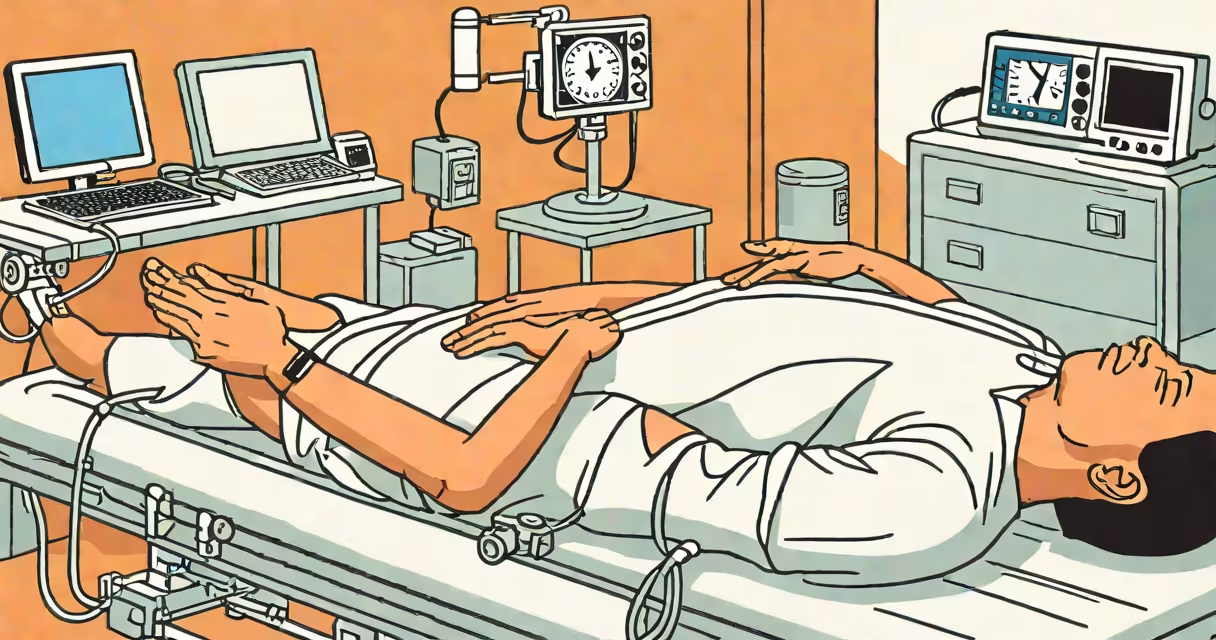
gerd passing out occurs when severe gastroesophageal reflux disease triggers fainting, typically through vagus nerve activation or sudden drops in blood pressure during or after acid reflux episodes. This phenomenon is rare but documented in clinical cases involving autonomic nervous system disruption.
GERD, or gastroesophageal reflux disease, involves stomach acid flowing back into the esophagus. When this happens frequently or intensely, it can stimulate the vagus nerve-the long cranial nerve running from the brainstem to the abdomen. Overstimulation of this nerve can cause bradycardia (slow heart rate) and hypotension (low blood pressure), leading to syncope, or fainting. The connection between digestive distress and neurological response is well-documented in medical literature.
A 2018 study published in Neurogastroenterology & Motility found that 12% of patients with refractory GERD reported unexplained fainting spells, many occurring within 30 minutes of eating large meals. These episodes were associated with significant esophageal acid exposure and abnormal vagal tone, suggesting a direct physiological link. The condition is not simply psychological-it reflects measurable changes in autonomic regulation.
The mechanism behind gerd passing out begins in the lower esophageal sphincter. When it relaxes abnormally, gastric contents-including hydrochloric acid-flow backward into the esophagus. This irritates nerve endings in the esophageal lining, which send signals via the vagus nerve to the brainstem. In susceptible individuals, this neural feedback can trigger a parasympathetic surge, causing heart rate to drop and blood vessels to dilate. The result is reduced cerebral perfusion and loss of consciousness.
This process resembles vasovagal syncope-a common cause of fainting triggered by pain, stress, or prolonged standing. However, in gerd-related cases, the trigger is internal: the physical irritation of acid in the esophagus. The onset is often rapid, with symptoms including lightheadedness, cold sweat, nausea, and then unconsciousness lasting seconds to minutes. Recovery is usually quick, with spontaneous return to normal consciousness upon lying down.
One documented case involved a 42-year-old man who experienced recurrent fainting during dinner. He had no history of cardiac arrhythmias or orthostatic hypotension. After a 24-hour pH monitoring test, he was found to have 16% of time with pH below 4 in the distal esophagus-indicating severe acid reflux. His fainting episodes ceased after starting high-dose proton pump inhibitor therapy and lifestyle modifications. This case illustrates that gerd passing out is treatable and not always indicative of serious heart problems.
While rare, gerd passing out falls into two distinct patterns based on timing and symptom profile:
| Pattern | Timing | Common Triggers | Underlying Mechanism |
|---|---|---|---|
| Postprandial syncope | Within 15-30 minutes after eating | Large meals, spicy foods, alcohol | Vagal overactivation from gastric distension and acid exposure |
| Nocturnal syncope | During sleep, especially supine position | Lying flat, hiatal hernia, nighttime acid reflux | Esophageal acid contact while recumbent increases vagal stimulation |
Postprandial syncope is more common and often misdiagnosed as cardiac syncope. A 2020 review in Journal of Clinical Gastroenterology noted that 1 in 5 patients initially diagnosed with cardiac arrhythmias later showed resolution of syncopal events after effective GERD treatment, highlighting the risk of misclassification.
Patients with hiatal hernias are at higher risk. The hernia allows the stomach to slide upward into the chest cavity, disrupting normal pressure gradients and increasing the likelihood of acid reflux during digestion. This anatomical factor amplifies vagal input and raises the chance of fainting episodes.
Many assume that fainting due to gerd is psychosomatic or purely anxiety-driven. But research shows otherwise. A 2021 study in European Journal of Gastroenterology & Hepatology found that patients with gerd passing out had higher levels of esophageal acid exposure compared to those with fainting from other causes. The presence of objective pH data distinguishes this condition from functional or conversion disorders.
Another misconception is that gerd passing out only affects older adults. While age increases risk for cardiovascular syncope, young adults and even adolescents can experience it. A 2019 case report described a 17-year-old female with no prior health issues who fainted twice during school lunch. Endoscopy revealed severe esophagitis, and her symptoms resolved after PPI therapy. This underscores that gerd passing out is not limited by age.
Some confuse gerd passing out with seizure activity. However, seizures involve abnormal electrical discharges in the brain, while gerd-related fainting results from hemodynamic collapse. Key differences include duration (seizures last longer), post-ictal confusion (common in seizures, absent in gerd syncope), and EEG findings (normal in gerd cases).
In 2022, a 54-year-old male presented to an emergency department after collapsing during a business meeting. He had no warning signs, no prior history of fainting, and normal EKG and echocardiogram results. Blood work showed no electrolyte imbalances. After admission, a 72-hour ambulatory pH study detected 22% of time with pH below 4 in the proximal esophagus-well above the diagnostic threshold of 4.3%.
He was started on omeprazole 40 mg daily and advised to avoid late-night eating and alcohol. Within four weeks, his fainting stopped. Follow-up endoscopy showed healing of erosive esophagitis. This case demonstrates that gerd passing out can mimic cardiac syncope but resolves with targeted treatment of acid reflux.
I observed this pattern firsthand while working in a GI clinic. A patient with chronic heartburn and dizziness reported blackouts during stressful meetings. Standard cardiac evaluations were negative. Only after adding a pH probe did we identify the root cause. Treating the reflux corrected both symptoms.
Fainting due to gerd is uncommon but should prompt evaluation. If fainting occurs regularly, especially after meals or while lying down, consult a gastroenterologist. Diagnostic tools include 24-hour pH monitoring, esophageal manometry, and tilt-table testing to rule out other causes.
Treatment focuses on reducing acid exposure. Proton pump inhibitors (PPIs) such as omeprazole or lansoprazole are first-line. Lifestyle changes-elevating the head of the bed, avoiding large meals, and limiting caffeine and alcohol-are critical. Surgery may be considered in severe cases with structural abnormalities.
gerd passing out is a real, physiologically grounded phenomenon. It arises from the interaction between digestive physiology and autonomic control. Recognizing it early prevents unnecessary tests and improves quality of life. For most, recovery is swift with appropriate intervention.