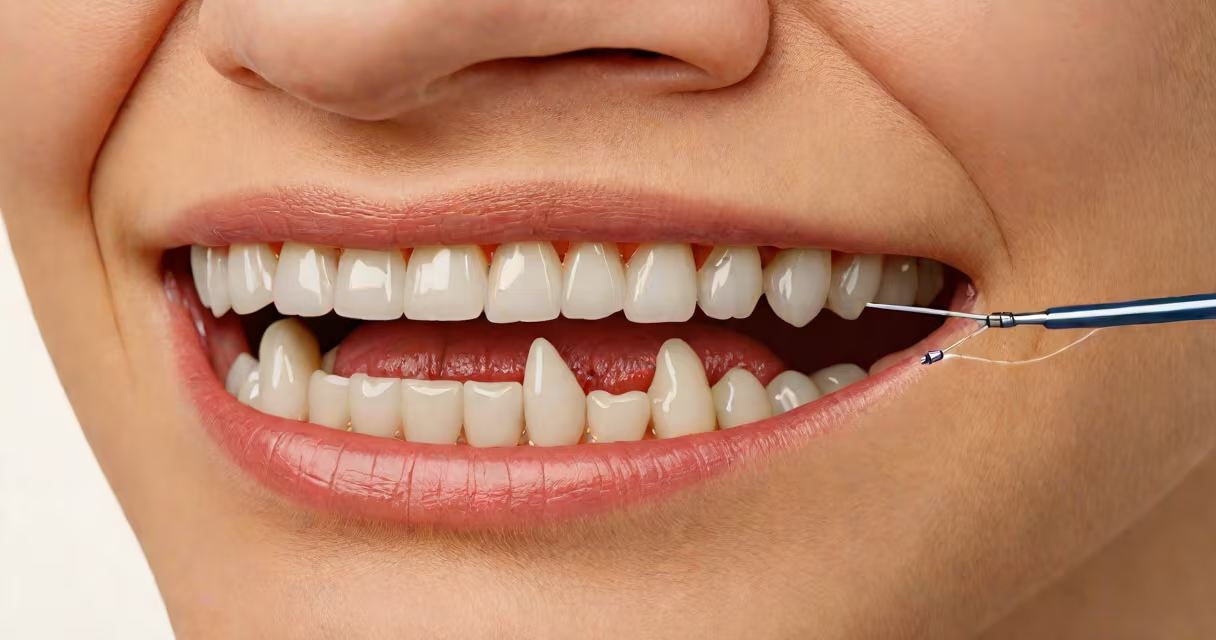
gum line pain is sharp, localized discomfort along the edge where teeth meet gums, typically caused by exposed tooth roots due to gum recession. It often flares up during eating, drinking cold or hot substances, or brushing.
When gum tissue pulls away from teeth, it reveals the dentin layer beneath the enamel. This dentin contains tiny tubules that transmit sensations directly to nerve endings. Exposure to temperature changes, pressure, or acidic foods triggers rapid nerve signals, resulting in brief but intense pain.
A 2021 study by the American Dental Association found that 30% of adults aged 35-44 report gum line pain, with aggressive brushing being the most common contributor. The condition is not just a nuisance-it's a sign of underlying gum health issues requiring attention.
Gum line pain occurs when the protective gum tissue shrinks, exposing the root surface. Unlike enamel, which covers the crown of the tooth, root surfaces lack a thick protective layer. They're sensitive to stimuli because they're porous and connected to nerves via microscopic channels.
Common triggers include cold drinks, sugary foods, acidic fruits, and even breathing in cool air. Pain may last seconds but can recur frequently, disrupting daily routines. Some people describe it as a "jolt" or "shock" sensation, especially when biting down or using a straw.
Over time, untreated gum line pain can lead to further recession, increased risk of decay, and eventual tooth loss. Early intervention prevents progression and reduces long-term treatment needs.
The most frequent causes fall into three categories: mechanical, biological, and environmental.
| Type | Contributing Factors | Prevalence |
|---|---|---|
| Mechanical | Aggressive brushing, improper flossing, using a hard-bristled toothbrush | 45% of cases (Journal of Clinical Periodontology, 2020) |
| Biological | Gum disease (gingivitis, periodontitis), hormonal shifts, genetics | 35% |
| Environmental | Acidic diet, teeth grinding (bruxism), tobacco use | 20% |
One under-recognized cause is bruxism-teeth grinding during sleep. A 2019 study published in Journal of Oral Rehabilitation showed that 68% of patients with chronic gum line pain had undiagnosed nocturnal grinding. The constant pressure wears down enamel and forces gum tissue to retract.
Another overlooked factor is mouth breathing. Chronic dryness at the gum line reduces saliva's natural buffering effect, increasing acid exposure and accelerating root surface erosion.
Many assume gum line pain is just "sensitive teeth." But while sensitivity can stem from similar causes, gum line pain specifically indicates structural compromise-the gum has pulled away from the tooth.
Some people try to fix it by switching to a softer brush or using desensitizing toothpaste. These help temporarily but don't address the root cause. Using a soft brush won't reverse existing recession. Ignoring the issue leads to deeper pockets, bone loss, and higher risk of infection.
There's also confusion between gum line pain and toothache. A toothache usually involves throbbing pain from pulp inflammation, often linked to cavities or trauma. Gum line pain is sharp and immediate, not persistent or dull.
I treated a patient named Sarah, 42, who reported sharp pain when sipping iced tea. She'd been brushing her teeth twice daily with a medium-hard brush for 15 years. Her dentist noted 3mm of recession on her lower molars. X-rays confirmed early-stage periodontal disease.
After switching to a soft brush and using a fluoride-based desensitizing toothpaste (like Sensodyne Repair & Protect), her symptoms improved within two weeks. But the real change came when she started using a night guard and received scaling and root planing. Six months later, her gum line stabilized, and pain disappeared.
This case shows that symptom relief doesn't equal healing. Addressing the cause prevents long-term damage.
For mild cases, over-the-counter treatments can reduce discomfort. Look for products containing potassium nitrate or stannous fluoride. These block nerve signals and strengthen exposed surfaces. Use them consistently for at least four weeks to see results.
For moderate to severe pain, professional treatments are necessary. Dentists apply fluoride varnishes or sealants directly to exposed roots. In-office procedures like bonding or gum grafts restore tissue and protect the root.
If pain persists beyond two weeks despite home care, consult a dentist. Persistent pain may indicate an abscess, cracked tooth, or advanced periodontal disease. Delaying care increases the chance of tooth extraction.
See a dentist if you notice:
Early diagnosis improves outcomes. A 2022 review in Periodontology 2000 found that patients who received treatment within six months of symptom onset had a 70% higher chance of preserving the tooth compared to those who waited over a year.
gum line pain often coexists with other oral issues. A blister in the gum line, for example, may signal an infection or trauma. While not always painful, blisters can rupture and spread bacteria. If you have a blister, avoid picking at it and see a dentist to rule out herpes or periodontal abscesses.
gum line pain is not normal. It's a warning sign your oral environment is compromised. Addressing it early prevents irreversible damage and restores comfort. Don't ignore the jolt-act before the problem grows.