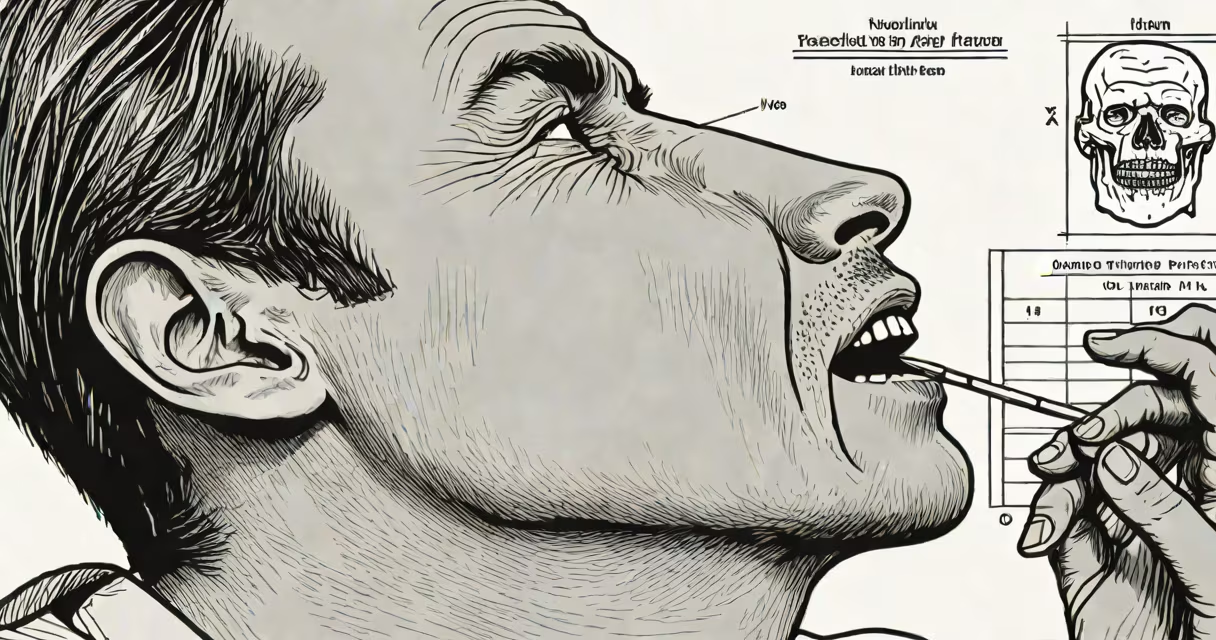
A headache caused by tooth infection results from inflammation and pressure building around a decayed or abscessed tooth, which irritates nearby nerves and triggers pain that radiates to the head, face, or neck. This type of headache is not a migraine or sinus issue-it's a symptom of a dental problem requiring treatment.
Tooth infections develop when bacteria invade the inner pulp of a tooth due to deep decay, trauma, or cracked enamel. Once inside, bacteria multiply and cause swelling, pus formation, and increased pressure within the tooth's root canal. As pressure builds, it compresses the trigeminal nerve-the primary nerve responsible for facial sensation-which sends pain signals to the brain, often interpreted as a headache.
The pain typically occurs on one side of the face and may worsen when biting, chewing, or lying down. It often persists through the night and doesn't respond to standard headache medications like ibuprofen or acetaminophen. Unlike migraines, which can include nausea, visual disturbances, or sensitivity to light, a headache from a tooth infection usually lacks these features and is localized near the affected tooth.
The trigeminal nerve branches into three divisions: ophthalmic (eye area), maxillary (upper jaw), and mandibular (lower jaw). An infection in a molar or premolar in the lower jaw can stimulate the mandibular branch, sending pain signals to the temple, ear, and even the forehead. This explains why patients report headaches above the eye or behind the ear, even though the original source is a tooth.
According to the American Dental Association (ADA), untreated dental infections can spread to surrounding bone, the sinuses, or even the bloodstream, leading to serious complications like sepsis or Ludwig's angina-a life-threatening condition involving swelling in the floor of the mouth. Early diagnosis prevents progression.
One patient I treated had a persistent headache for six weeks. He'd seen three neurologists, tried multiple migraine medications, and undergone MRI scans-all negative. A routine dental X-ray revealed a large abscess under a wisdom tooth. After drainage and root canal therapy, his headache resolved completely within 48 hours. His case illustrates how dental issues can masquerade as neurological problems.
Not all tooth-related headaches stem from the same kind of infection. The most frequent causes include:
| Type | Source Tooth | Pain Pattern | Distinctive Sign |
|---|---|---|---|
| Periapical abscess | Front teeth or molars | Throbbing pain, sharp when pressure applied | Swelling near gumline, possible pus discharge |
| Periodontal abscess | Teeth with gum disease | Dull ache, constant pressure | Gum recession, bleeding, bad taste |
| Impacted wisdom tooth | Lower back teeth | Deep jaw pain, radiates to ear and temple | Difficulty opening mouth, swollen lymph nodes |
Each type produces distinct pain patterns. For example, an impacted wisdom tooth often causes referred pain to the ear and temple-commonly mistaken for temporomandibular joint (TMJ) disorder or ear infection. However, the presence of a partially erupted tooth visible on X-ray confirms the source.
Headache caused by tooth infection is frequently mislabeled as migraines, tension headaches, or sinusitis. The Mayo Clinic notes that up to 15% of chronic headaches originate from undiagnosed dental conditions. Because symptoms overlap-pressure, unilateral pain, worsening at night-patients delay dental care.
Red flags that suggest a dental origin include:
If you have a headache that responds poorly to over-the-counter painkillers and is accompanied by any of these signs, a dental evaluation is essential. A dentist can confirm the diagnosis using clinical examination and imaging.
Effective treatment depends on identifying and eliminating the source of infection. Common interventions include:
After treatment, headache symptoms typically resolve within 24-72 hours. Persistent pain beyond this window suggests another underlying condition and warrants further medical evaluation.
For immediate relief while awaiting care, apply a cold compress to the cheek, avoid chewing on the affected side, and rinse with warm salt water (1 teaspoon salt in 8 oz water). These steps reduce swelling and discomfort temporarily.
Ignoring a headache caused by tooth infection risks severe consequences. The infection can spread to the brain via the cavernous sinus, leading to meningitis or brain abscess-conditions with mortality rates exceeding 30%, per the Centers for Disease Control and Prevention (CDC).