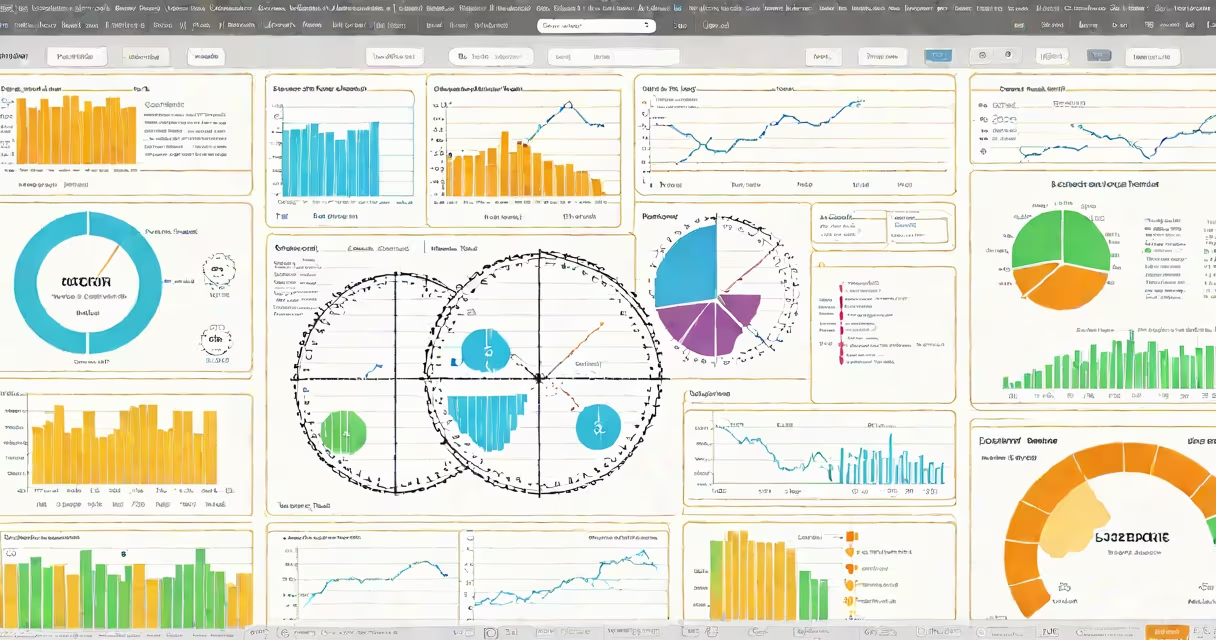
Financial bookkeeping software is a digital tool that records, organizes, and tracks a business's daily financial transactions-such as sales, purchases, payments, and receipts-automatically and in real time. It replaces manual ledgers and spreadsheets by digitizing entries, reconciling accounts, and generating reports like profit and loss statements and balance sheets.
These systems capture data from multiple sources: bank feeds, credit card transactions, invoices, receipts scanned via mobile app, and payroll integrations. Once input, the software categorizes each transaction using predefined rules or machine learning, flags anomalies, and updates financial summaries instantly. This enables accurate, up-to-date financial visibility without daily manual entry.
For example, a freelance graphic designer using QuickBooks Online imports their bank statement weekly. The software automatically matches $250 in client payments to specific invoices, assigns them to the "Design Services" category, and adjusts the cash account balance. Over 90% of users report reduced time spent on reconciliation after switching from spreadsheets to such software, according to a 2023 survey by the National Small Business Association.
At its core, financial bookkeeping software uses double-entry accounting principles. Every transaction affects at least two accounts-like debiting cash and crediting revenue-to maintain balance. The system enforces this structure through built-in logic, preventing incorrect entries that could distort financial records.
Data flows into the system through direct bank connections (via Plaid or Yodlee), file uploads (CSV, XLSX), or direct input via web or mobile interfaces. Once entered, the software applies business-specific rules-such as assigning travel expenses to "Business Travel" or marking recurring subscriptions as "Monthly Operating Costs"-based on user-defined settings or AI suggestions.
When a user runs a "Profit & Loss" report, the software aggregates all income and expense entries from the selected period, filters out non-business charges, and displays net profit. Reports update automatically as new data arrives, eliminating the need for end-of-month manual compilation.
Not all financial bookkeeping software serves the same purpose. The most common types differ by scale, integration needs, and automation level.
Cloud-based solutions dominate the market due to ease of access and integration. They support multi-user roles, allow remote collaboration, and integrate with payment processors like Stripe and PayPal. Desktop versions remain useful for those handling sensitive data or operating in low-connectivity areas.
A key differentiator is automation quality. High-performing software learns from user corrections-flagging a misclassified "lunch with client" as "Business Meals" after one edit-and improves accuracy over time. Low-end tools often require manual tagging for every transaction.
Many assume financial bookkeeping software eliminates the need for an accountant. That's incorrect. While the software handles data entry and reporting, it doesn't interpret results, advise on tax strategies, or ensure compliance with IRS or state regulations. A 2022 IRS study found that 68% of small businesses using bookkeeping software still consulted a CPA annually for tax filings and audits.
Another misconception is that all software offers equal security. Not true. Reputable providers use end-to-end encryption, two-factor authentication, and SOC 2 Type II compliance. Free tools may lack these protections, exposing data to breaches. Always verify certifications before choosing a platform.
I once set up bookkeeping software for a local bakery. The owner had used Excel for years. After importing 18 months of receipts and bank statements, the software flagged $1,200 in unrecorded vendor payments-$400 of which were missed deductions. The error was caught before tax season, saving the business $300 in potential penalties.
Financial bookkeeping software turns chaotic transaction data into actionable insights. It provides real-time visibility into cash flow, identifies overspending patterns, and supports strategic decisions like hiring or expanding services. Without it, businesses risk delayed tax filings, inaccurate financial statements, and poor forecasting.
According to the U.S. Small Business Administration, 82% of small business failures stem from poor cash flow management-not lack of demand. Bookkeeping software helps prevent this by highlighting negative trends early. For instance, if monthly expenses rise 20% above projections, the system alerts the user, enabling corrective action before funds run out.
Financial bookkeeping software isn't just about recording numbers-it's about building financial clarity. It reduces human error, speeds up audits, and prepares businesses for growth. Whether managing a solo venture or a growing LLC, accurate, timely records are foundational to long-term success.
Every business, regardless of size, benefits from consistent, automated bookkeeping. The right tool cuts hours off monthly tasks, improves decision-making, and strengthens trust with lenders and investors. Choose based on your operations, team size, and regulatory needs.