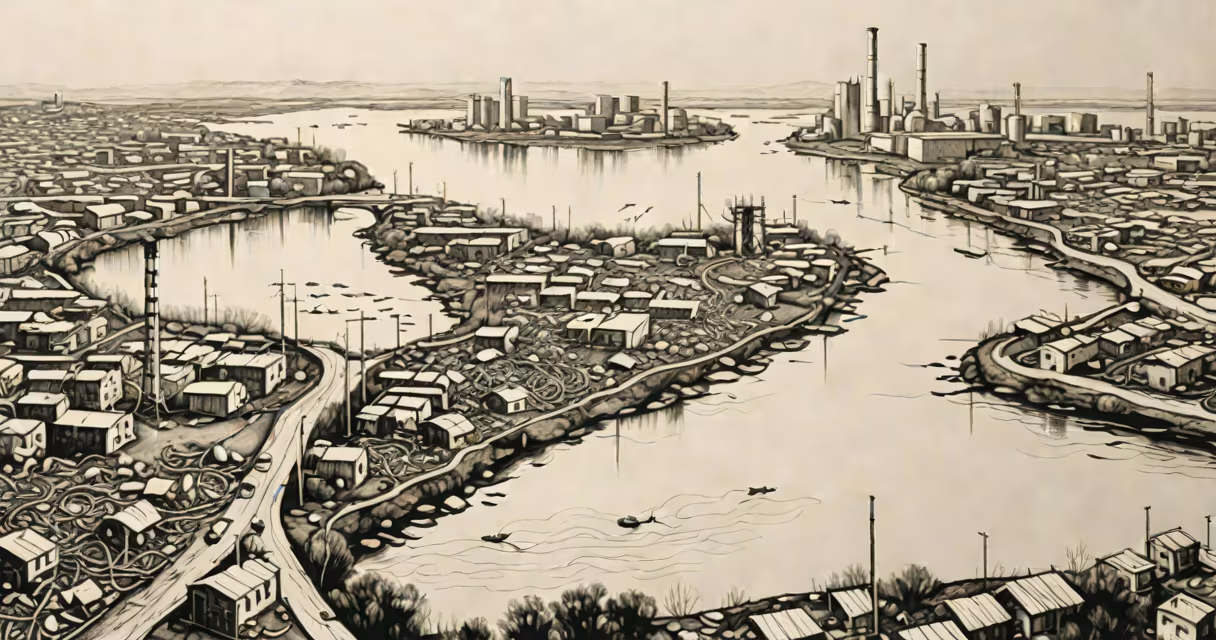
Water pollution harms humans through contaminated drinking water, food chains, and direct exposure, leading to gastrointestinal illness, developmental disorders, cancer, and premature death. Pollutants like heavy metals, pesticides, pharmaceuticals, and microplastics enter water supplies via industrial discharge, agricultural runoff, sewage overflow, and urban stormwater. These contaminants accumulate in the body over time, disrupting hormonal systems, damaging organs, and increasing disease risk.
Contaminated water affects people globally, but impacts are most severe in low-income regions with inadequate sanitation infrastructure. The World Health Organization reports that 2 billion people drink water from sources tainted with feces, leading to 485,000 diarrheal deaths annually. In developed nations, legacy pollutants such as lead from old pipes still cause harm-flint, Michigan's water crisis exposed over 6,000 children to elevated blood lead levels between 2014 and 2015, resulting in lasting cognitive deficits.
Water pollution doesn't just come from visible waste. Invisible toxins like per- and polyfluoroalkyl substances (PFAS)-used in non-stick coatings and firefighting foam-persist in groundwater for decades. A 2021 study published in Environmental Science & Technology found PFAS in tap water across 46 U.S. states, with concentrations exceeding EPA safety guidelines in 11% of samples. These "forever chemicals" are linked to kidney disease, thyroid dysfunction, and reduced fertility.
Humans ingest polluted water directly through taps, bottled water, or irrigation-fed crops. They absorb toxins through skin during bathing or swimming, especially in areas with chlorinated pools or heavily treated wastewater. Ingestion is the primary route of exposure, but dermal absorption and inhalation of volatile compounds during showers also contribute.
For example, arsenic in groundwater-common in Bangladesh, India, and parts of Latin America-causes chronic poisoning. Long-term exposure leads to skin lesions, peripheral neuropathy, and cancers of the bladder, lung, and skin. The International Agency for Research on Cancer classifies inorganic arsenic as a Group 1 carcinogen based on epidemiological evidence from high-exposure populations.
Another underappreciated pathway is bioaccumulation in seafood. Mercury from coal-fired power plants enters rivers and oceans, converting to methylmercury in aquatic ecosystems. This form concentrates in predatory fish like tuna and swordfish. Eating contaminated fish exposes consumers to neurotoxins that impair fetal brain development. The U.S. Centers for Disease Control and Prevention advises pregnant women to avoid high-mercury fish due to risks of cognitive delays in infants.
Water pollutants fall into five categories: pathogens, organic chemicals, inorganic chemicals, nutrients, and physical debris. Each causes distinct health problems.
| Pollutant Type | Common Sources | Health Impact |
|---|---|---|
| Pathogens (bacteria, viruses) | Sewage, animal waste | Cholera, typhoid, hepatitis A |
| Heavy metals (lead, mercury, cadmium) | Industrial discharge, old plumbing | Neurodevelopmental damage, kidney failure |
| Organic chemicals (pesticides, solvents) | Agricultural runoff, manufacturing | Cancer, reproductive issues, liver damage |
| Nutrients (nitrates, phosphates) | Fertilizers, detergents | Blue baby syndrome (methemoglobinemia) |
| Microplastics and PFAS | Plastic waste, consumer products | Immune disruption, hormone interference |
One overlooked issue is the synergistic effect of multiple pollutants. A 2020 study in Nature Communications showed that co-exposure to lead and cadmium in drinking water amplified neurological decline in children beyond additive predictions. This suggests current safety standards-based on single chemical testing-are insufficient for real-world conditions.
Many health effects from water pollution go undetected because symptoms mimic common illnesses. Chronic fatigue, headaches, and digestive issues are attributed to stress or diet rather than long-term toxin exposure. This delay in diagnosis allows cumulative damage to progress unchecked.
For instance, in communities near industrial zones, residents report persistent rashes and respiratory problems. When doctors test for allergies or asthma, they overlook waterborne chemicals like polycyclic aromatic hydrocarbons (PAHs) from oil spills. A 2018 study in Environmental Health Perspectives linked PAH exposure in drinking water to increased rates of bronchitis among children in Louisiana's "Cancer Alley."
Another misconception is that treatment plants eliminate all risks. While filtration removes many particles, they don't fully remove emerging contaminants like pharmaceuticals or PFAS. Reverse osmosis systems can reduce them, but most homes lack access to such technology. The U.S. Environmental Protection Agency estimates that only 15% of American households have point-of-use filters capable of removing PFAS.
In 2019, a study in The Lancet Planetary Health analyzed water quality data from 140 countries. It found that water pollution contributes to 1.8 million premature deaths annually-more than malaria and HIV combined. Regions with high industrial activity, poor waste management, and weak regulations face the highest burden.
I witnessed this firsthand while working with a nonprofit in rural Kenya. We tested water from shallow wells used by 300 families. Over 80% exceeded WHO limits for nitrates and coliform bacteria. Children suffered repeated bouts of diarrhea. After installing biosand filters and training locals in maintenance, incidence dropped by 67% within six months. The project proved that localized, low-cost interventions yield measurable health gains.
Prevention requires systemic changes. Upgrading aging infrastructure reduces lead leaching. Enforcing stricter discharge limits on factories prevents chemical dumping. Expanding green spaces in cities reduces stormwater runoff. Public awareness campaigns help people identify risks-like avoiding tap water for brushing teeth in older buildings.