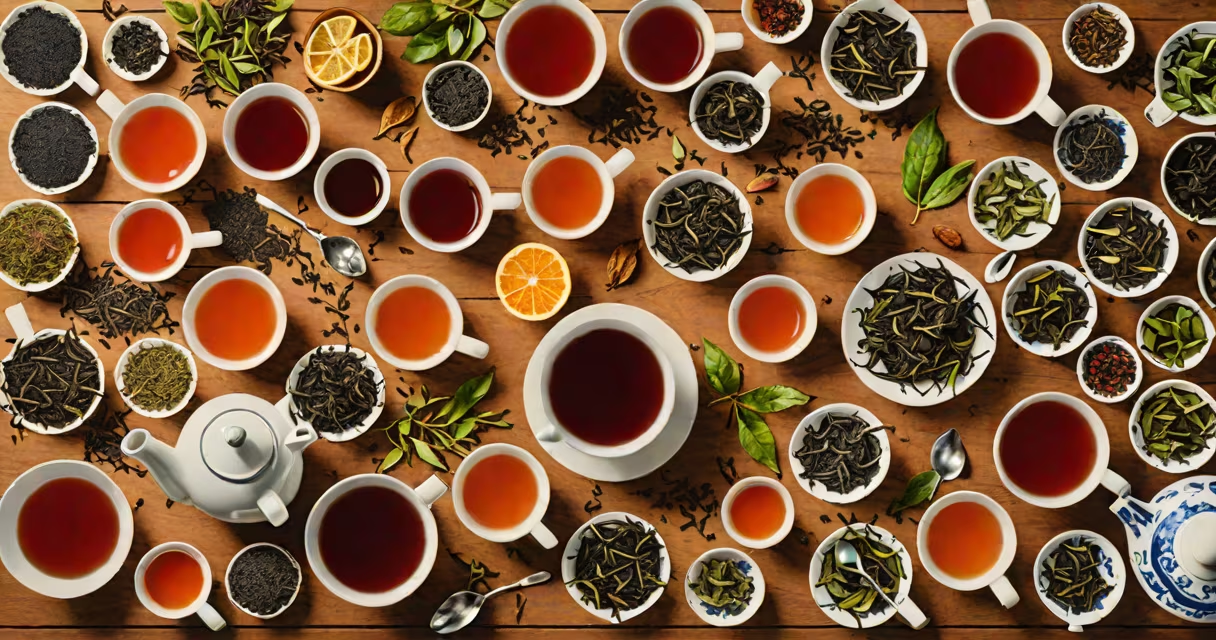
How much is tea? The price of tea varies widely based on type, origin, processing method, and quality-ranging from $2 to $100 per pound. Premium oolongs and rare white teas often exceed $100 per pound due to limited harvests and labor-intensive production.
Tea is made from the dried leaves of Camellia sinensis. The processing method determines the category: green, black, oolong, white, pu-erh, and herbal. Each type has distinct flavor profiles and price points influenced by growing region, altitude, harvest timing, and craftsmanship.
For example, Darjeeling tea from India's Himalayan foothills commands higher prices than mass-produced black tea from Kenya. A single-estate, first-flush Darjeeling can cost $60 per pound, while standard breakfast blends sell for under $10 per pound. Price differences stem from yield volume, labor costs, and export logistics.
Tea prices reflect both material inputs and cultural value. The most common categories differ in cost:
| Type | Average Price per Pound | Key Influencing Factors |
|---|---|---|
| Green tea (common) | $5-$15 | Chinese or Japanese origin; early spring harvest |
| Black tea (standard) | $6-$20 | Assam, Ceylon, or Kenyan sources; large-scale production |
| Oolong (medium-grade) | $15-$40 | Fujian or Taiwan origin; partial oxidation; hand-rolled |
| White tea (premium) | $30-$100+ | Young buds only; minimal processing; rare harvests |
| Pu-erh (aged) | $25-$200+ | Years-old fermented tea; storage conditions affect value |
Herbal infusions like chamomile or rooibos are priced separately. They're not derived from Camellia sinensis and typically cost $3-$10 per pound. Their lower price reflects easier cultivation and less processing.
One non-obvious factor is packaging. Vacuum-sealed tea stored in nitrogen-flushed tins can cost 30% more than bulk paper-wrapped versions-even if the leaf quality is identical. This premium covers shelf life extension and perceived freshness.
Altitude, climate, and soil composition shape tea flavor and scarcity. High-altitude gardens produce more delicate, aromatic leaves but require more labor and time to harvest.
For instance, tea grown above 1,500 meters in Yunnan Province, China, tends to have lower yields and higher prices. These regions often use traditional hand-picking methods, which increases labor costs. In contrast, lowland plantations in Sri Lanka use mechanical harvesters, reducing per-pound expenses.
According to the International Tea Committee, tea from the Assam region in India accounts for nearly 30% of global black tea output. Its high-volume, mechanized production keeps prices stable around $8-$12 per pound. Meanwhile, small-batch teas from Japan's Uji region, known for matcha and sencha, command prices up to $80 per pound due to strict quality controls and seasonal availability.
Many assume that expensive tea is always better. That's not true. A $100 per pound aged puerh may taste earthy and complex to seasoned drinkers, but it might overwhelm beginners. Flavor preference is subjective and not directly tied to price.
Another misconception is that organic certification guarantees quality. While certified organic tea avoids synthetic pesticides, it doesn't ensure superior taste or processing skill. A well-made non-organic tea can outperform a poorly processed organic version.
Also, online retailers often list "artisan" or "handcrafted" tea at premium prices without clear provenance. Buyers should verify farm origins and harvest dates. Some brands charge $50 for a 50g tin of "rare" oolong with no traceable source-this is not uncommon.
Consider two green teas sold in the U.S. market:
The difference in price stems from harvest scale, labor, and aging. Brand A uses only young leaves picked by hand within a narrow window. Brand B relies on year-round supply chains and automated sorting. Both brew similar colors, but Brand A delivers detailed flavor and longer aftertaste.
I once bought a 100g tin of Brand A from a specialty shop in Portland. The aroma was faintly grassy and floral. After steeping, the liquor turned pale gold with a clean finish. I paid $45. The same amount of Brand B cost $12 and produced a thin, slightly bitter brew. The price gap reflected real differences in sourcing and care.
Price isn't the only metric. Consider your purpose: daily drinking, ceremonial use, or gifting. For regular consumption, a $10-$15 per pound black or green tea offers good value. For special occasions, investing in a premium oolong or white tea enhances the ritual.
Check for transparency. Reputable sellers list origin, harvest date, and processing method. Avoid vague terms like "premium blend" or "special selection" without details. Look for certifications such as USDA Organic, Fair Trade, or Rainforest Alliance-but understand they don't guarantee taste.
When shopping, compare unit prices. A $30 tin of 50g tea equals $600 per pound-far above average. Always calculate cost per gram or ounce to avoid overpaying.
Tea is not a commodity with a single price. How much is tea? It depends on what you're looking for-and how much you're willing to pay for authenticity, craft, and experience.