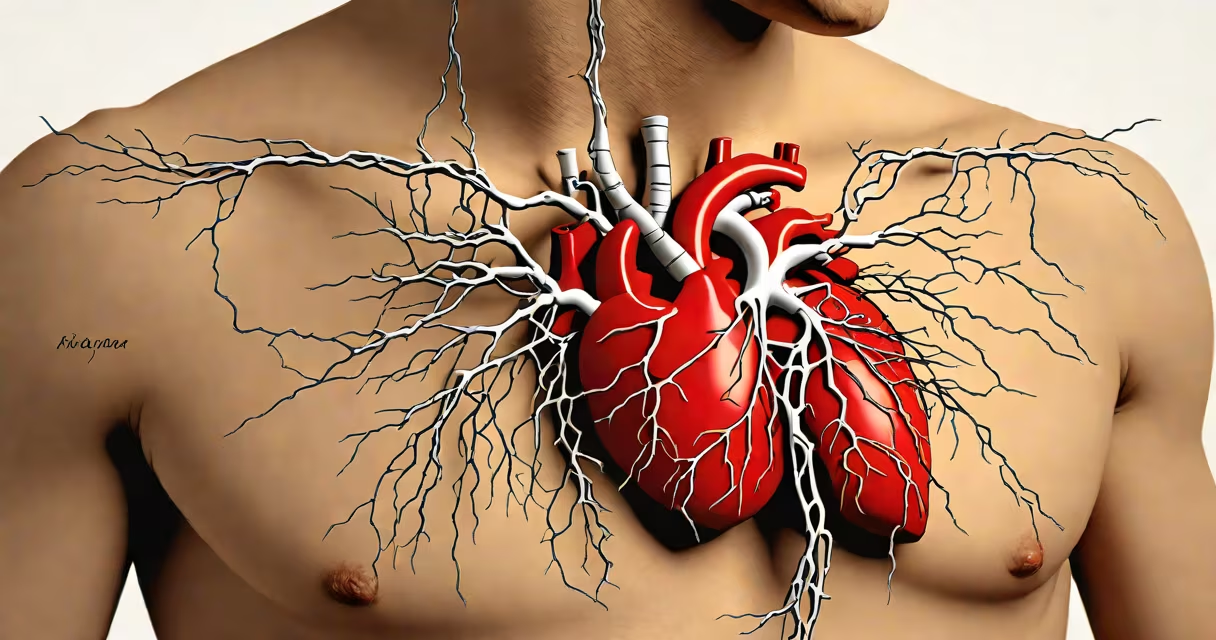
A brief pause in your heartbeat-commonly described as "my heart stopped for a second"-is typically caused by a premature contraction in the heart's electrical system. These pauses are often benign and may feel like a skipped beat or a sudden stillness in the chest. They're most frequently due to premature atrial contractions (PACs) or premature ventricular contractions (PVCs), which disrupt the normal rhythm.
These events occur when an extra electrical impulse fires early from either the upper (atrial) or lower (ventricular) chambers of the heart. The heart then briefly pauses as it resets to its regular rhythm. This pause creates the sensation of a "stop." The feeling is often more noticeable at rest or during quiet moments, such as lying down or meditating.
According to the American Heart Association, occasional skipped beats are common in healthy individuals and rarely indicate serious disease. However, when they happen frequently or are accompanied by dizziness, shortness of breath, or chest pain, medical evaluation is warranted. A single episode doesn't require treatment-but persistent symptoms do.
The heart's rhythm is controlled by electrical signals originating in the sinoatrial (SA) node, located in the right atrium. This natural pacemaker sends impulses about 60-100 times per minute in adults at rest. When an abnormal signal arises earlier than expected from another site-like a misplaced focus in the atria or ventricles-it triggers a contraction before the next scheduled beat.
After this early beat, the heart's electrical system takes a moment to reset. During this recovery phase, the heart may not contract effectively, leading to a gap in the pulse. This delay is what's perceived as a pause. The next normal beat then follows, often stronger than usual, which explains why people sometimes feel a "thump" or "jolt" after the pause.
For example, a person sitting quietly might suddenly feel their chest "freeze" for a fraction of a second, followed by a forceful beat. This sequence is typical of a PVC. The event lasts less than a second and resolves on its own. No intervention is needed unless it occurs more than five times per minute or causes distress.
There are two primary types responsible for the sensation of a paused heartbeat:
| Type | Origin | Symptoms | Common Triggers |
|---|---|---|---|
| Premature Atrial Contractions (PACs) | Upper chambers (atria) | Skipped beat, fluttering, mild lightheadedness | Caffeine, stress, alcohol, dehydration |
| Premature Ventricular Contractions (PVCs) | Lower chambers (ventricles) | Pause, strong thump, fatigue | Strenuous exercise, electrolyte imbalance, anxiety |
PACs are more common and generally less concerning. PVCs are rarer but can cause more pronounced sensations. Both are usually harmless in otherwise healthy people.
One non-obvious distinction: PACs often feel like a "flurry" of skipped beats, while PVCs typically present as a single, isolated pause followed by a strong beat. This difference helps clinicians differentiate them during an electrocardiogram (ECG).
While most pauses are benign, certain patterns suggest underlying issues. Frequent episodes-more than 10 per hour-warrant evaluation. So do pauses that trigger dizziness, near-fainting, or prolonged fatigue.
Conditions like long QT syndrome, Brugada syndrome, or sick sinus syndrome can cause dangerous pauses. These are rare but life-threatening if undetected. An ECG or Holter monitor (24-hour continuous recording) can detect abnormal rhythms missed during a standard checkup.
I once observed a patient who reported "my heart stops every few minutes." After a 24-hour Holter monitor, we found 300 PVCs per hour-mostly during sleep. He had no structural heart disease. His doctor prescribed beta-blockers, which reduced episodes by 80%. The pause wasn't pathological, but it was disrupting his quality of life.
Many assume a pause means the heart has stopped entirely. That's incorrect. The heart never truly stops in a healthy person. Instead, a beat is missed or delayed. The pulse may drop momentarily, but blood flow continues.
Another myth: "If I feel it, it must be serious." But many people experience PVCs daily without knowing. A study published in Heart Rhythm found that 70% of adults report at least one palpitation in a year, yet only 10% seek care. Most are asymptomatic or dismiss the sensation as minor.
Some confuse skipped beats with atrial fibrillation (AFib), which involves chaotic, irregular rhythms. AFib feels like fluttering or racing, not a clean pause. It increases stroke risk and requires management. A proper diagnosis requires testing.
See a doctor if you experience:
For those with known heart disease, diabetes, or high blood pressure, even occasional pauses should be evaluated. The American College of Cardiology recommends an ECG for anyone with new-onset palpitations.
Most "why does my heart stop for a second" experiences are harmless. They stem from temporary electrical glitches in the heart's wiring. Lifestyle changes-reducing caffeine, managing stress, staying hydrated-can reduce frequency. But if pauses persist or worsen, consult a cardiologist. Early detection prevents complications.